December 1, 2025

Summer Sports and Activities for Children by Maggie Ayre

How Hard Should You Push Your Kids to Participate in Summer Sports/Physical Activity?

Ask yourself this question…. If you left your child to their own devices what would they choose to do with their summer holiday?

Some children would take themselves out every day to the skate park, to the beach, on a bicycle ride or arrange to meet their friends to go swimming.  These kids don’t need to be encouraged to take part in other activities unless you’re concerned that they are spending too much time by themselves or with a group of friends you do not approve of.

Other children would get out of bed late and collapse in front of the TV or computer screen for hours and days on end.  These children could do with some encouragement to be more active! I’m not a big fan of the term “push” when it comes to dealing with our children.  It may work with very young children who are happy for you to make choices for them but should be avoided with older children and teens.  In my experience it tends to back fire leading to resentment, ill feeling and a general bad atmosphere. Instead I would encourage you to have a two-way conversation with your child with the aim of finding an activity, or several activities, they would be happy spending the summer doing. Make it clear to them that you expect them to be active and get plenty of fresh air.  How they do that is then up to them.

Kids summer activities tend to fall into three main categories:
1.    Organised sports.  These are great for making new friends and learning, or perfecting, new skills.  They are normally organised through a private company, youth club etc with adults on had to instruct, coach and manage the sessions.  You will find a huge variety of organised summer clubs in your area.
2.    Activities.  These tend to be less structured and organised by groups of friends.  The activities available will depend on what is available locally and could range from meeting up for a jog, cycle or swim or a day out at the beach or in the countryside.
3.    Family days out.  Younger children in particular love a family bicycle ride or picnic in the countryside but they are also a great way to reengage with older children and teens.  Family activities are also the perfect opportunity to show your kids what a great role model you are.

Maggie Ayre is the UKs leading Fitness Coach for Teen Girls. As well as one-to-one and small group nutrition and fitness work with teens she has developed the 3G Program designed to be run at schools as part of the PE curriculum. She also offers mentoring for PE departments on how to re-engage teen girls with PE and has recently published her third book; “Nutrition for Exam Success – A Parent’s Guide” which is now available as a Kindle and paperback at Amazon.

Fresh Herbs: Great for the Body! By Lori Rosenthal, MS, RD, CDN

Fresh Herbs: Great for the Body and the Taste Buds

Fresh herbs contribute mouth-watering flavor to dishes without adding salt. But their usefulness doesn’t stop in the kitchen. Since ancient times, herbal remedies have been used to treat all sorts of ailments. Herbs contain antioxidants, substances with disease fighting properties. Antioxidants protect our bodies from cell damage caused by free radicals, which contribute to heart disease and cancer. In addition, certain herbs may soothe muscle spasms, reduce inflammation and fight infections.

With so many potential benefits, why wouldn’t we want to incorporate them into our diet. Start by adding fresh herbs to your favorite recipes. From salads to entrees, adding fresh herbs can make an ordinary dish extraordinary. Experiment with fresh herbs in homemade marinades and rubs. Basic marinades are comprised of herbs, spices, condiments, oils and an acid such as citrus fruit juice, vinegar or wine. Rubs can either be wet or dry and are a great way to infuse meat, poultry or fish with flavor. Try various combos of fresh herbs. Create flavors that excite the taste buds, but don’t overpower the other ingredients. An added bonus, homemade marinades and rubs do not contain the high levels of sodium, sugar and preservatives found in packaged products.

Use fresh herbs when making dressings, dips and sauces as well. Pesto is one of my all time favorites. This is my personal pesto recipe, so feel free to adjust it to your taste. Combine the ingredients in a blender or food processor and blend until it reaches a paste consistency. Freeze some in an ice cube tray for later use (freezes better without the parmesan). Pop out a cube, heat it up and add it to any dish for a quick, preservative free meal.

Basic Pesto
2 cups fresh basil
1/2 cup parsley
2-3 cloves of garlic
1 handful of pine nuts
1/2 cup olive oil
1/2 cup grated parmesan

This Italian salsa verde recipe was a staple in my house growing up. It pairs well with meat, poultry, fish or vegetables. Use it as a dipping sauce or condiment. I suggest trying it with salmon.

Salsa Verde
(Adapted from Bon Apetite)
1 1/2  cups chopped parsley
3/4 cup extra virgin olive oil
1 cup chopped scallion tops (AKA: The green part)
1/4 cup drained and rinsed capers
1/4 cup fresh lemon juice
1 1/2 Tbs minced garlic
1 1/2 tsp chopped fresh thyme
1 1/2 tsp chopped fresh oregano
1 tsp chopped fresh rosemary
1 tsp chopped fresh sage

Whether home grown or store bought, fresh herbs are not to be missed. Start taking your dining experience to the next level today. Your taste buds and body will thank you.

Lori Rosenthal, MS, RD, CDN
Bariatric Dietitian
Department of Surgery
Montefiore Medical Center
Follow Lori on Twitter via @LoRoRD

Motivate YOUR Fitness

Motivate YOUR Fitness with Health Your Way Online’s Motivational-Monday Live Fitness Chat on Twitter.

If you’re hitting the mid-year slump, if you’ve fallen off your fitness track, if you’re having trouble getting inspired to stick with it…your motivation-solution is HERE! Stick with your exercise this summer and find your fitness motivation by picking up tips from experts and fellow exercisers, staying up to date with what’s new and exciting in the exercise world, get answers to your exercise questions, even participate in virtual-events!

Fitness Chat Summer Series begins June 3rd!

When: Monday’s 5pm(pacific)/ 8pm(eastern)
Where: On Twitter at #HealthyWayMag

Health Your Way Online proudly presents our Summer Series Motivational-Monday Live Fitness Chat Sponsors. We have done the research for you; these products are credible, effective and worthwhile. Check them out to learn how they can help you live healthy!

ENERGYbits®. This high protein, low calorie snack gives unlimited energy as it is 100% organic spirulina algae. Spirulina contains as much gram for gram of calcium as milk, as well as containing 5 times more iron than spinach. Read more about the many health benefits here, http://www.energybits.com. Be sure to follow them on Twitter @ENERGYbits for more tips.
We are honored to announce that Brand Manager Jeff White will be joining us as Co-Host of this Chat!

RecoFit Compression Gear. Want to perform better and recover faster?  RecoFit Compression Gear can help!  Its unique gradient-compression design and carbon-based technical fabric will support your muscles and supply them with more oxygen to delay fatigue and speed up recovery, so you will be ready for your next day’s effort!  Visit www.recofit.co for more information. Check them out on Twitter @RecoFit to learn how they can help improve performance in your athletic endeavors.
 

Flip2BFit. Need summer activities for your kids? Flip2BeFit simply put is your Fitness in a Box solution for incorporating fun and fitness into your daily life! Flip2BFit is more than just a board game, its fitness, nutrition, education and eye opening self-esteem building all realized through the spin of a wheel and the flip of a card! Order yours today for hours of family fun time. http://flip2bfit.com and check them out on Twitter @Flip2BFit.

RunnerBox: A mini shoe box full of products for runners and triathletes shipped right to your door!  Choose a subscription or 1-time gift. Try out new products and stay motivated!  Gift yourself or favorite athlete at www.therunnerbox.com. There’s no better way to find YOUR perfect running, triathlon and fitness products. Follow them on Twitter @runnerbox for a preview of upcoming products, discounts and connect with fellow athletes as well.

Sockwa. Sockwa is the most versatile and lightweight brand of athletic footwear for sports and fitness activities on and off the beach. Say goodbye to the days of aching feet after every run and sore leg muscles after every hike! Sockwa is your ultra-light, high-performance, minimalist shoe solution. Check out all their products at www.sockwa.com. Follow them on Twitter @Sockwa for information how you can join the Sockwa-movement!

The Powerful Benefits of Antioxidants by Rachael Roehmholdt

The Powerful Benefits of Antioxidants

Antioxidants are powerful molecules that inhibit the oxidation of other molecules in the body. This process of cell oxidation is what creates free radicals. Free radicals can lead to diseases such as cancer, cardiovascular disease, immune system impairment, cognitive impairment, and Alzheimer’s disease when there aren’t any antioxidants to create balance in these molecules.

While having antioxidants readily available in your body is necessary for preventing these diseases, they’re also beneficial for creating an overall well-functioning body. For example, the beta carotene you find in carrots and sweet potatoes can help protect your eye health. Lycopene which is found in tomatoes helps to protect prostate health. In addition, the flavonoids in tea, cocoa and chocolate are great for your heart.

There are plenty of fresh organic fruit and vegetable sources of antioxidants, so as long as you’re eating these – you’re helping fight off free radicals and disease for your future and maintaining good overall health.

Here are a few powerful sources of antioxidants that you can begin eating now:
Beans (red, kidney, pinto, black beans)
Cherries, prunes, peaches, plums and other stone fruits
Blueberries, cranberries, blackberries, raspberries and strawberries
Red Delicious and Granny Smith apples
Artichokes, broccoli, kale, carrots, tomatoes, sweet potatoes
Nuts
Tea
Coffee
Chocolate and cocoa powder

From this list you can see that the most beneficial foods to get adequate amounts of antioxidants and fight free radicals are whole foods straight from nature. Fill up on a few of these each day to help keep your body functioning at it’s peak and fight off future disease.

Rachael Roehmholdt is a certified holistic health coach and founder of Be More Healthful. With a passion for good food and living a healthful and balanced life, she believes that small changes to our everyday lives can set us up for a lifetime of health and happiness.

Getting married? Consider this! By Amanda Stanec, PhD

When will society stop focusing on appearance and start doing a better job of educating the importance of healthy behaviors?  Appearance is not what decreases individuals chances of developing disease.  It’s a balance of healthy eating, physical activity, life satisfaction, relationships, etc. that help fight disease (long-term.) Additionally, it has been documented time and time again that short-term benefits of physical activity include feeling better, increased productivity, friendship, and an overall happier mood.

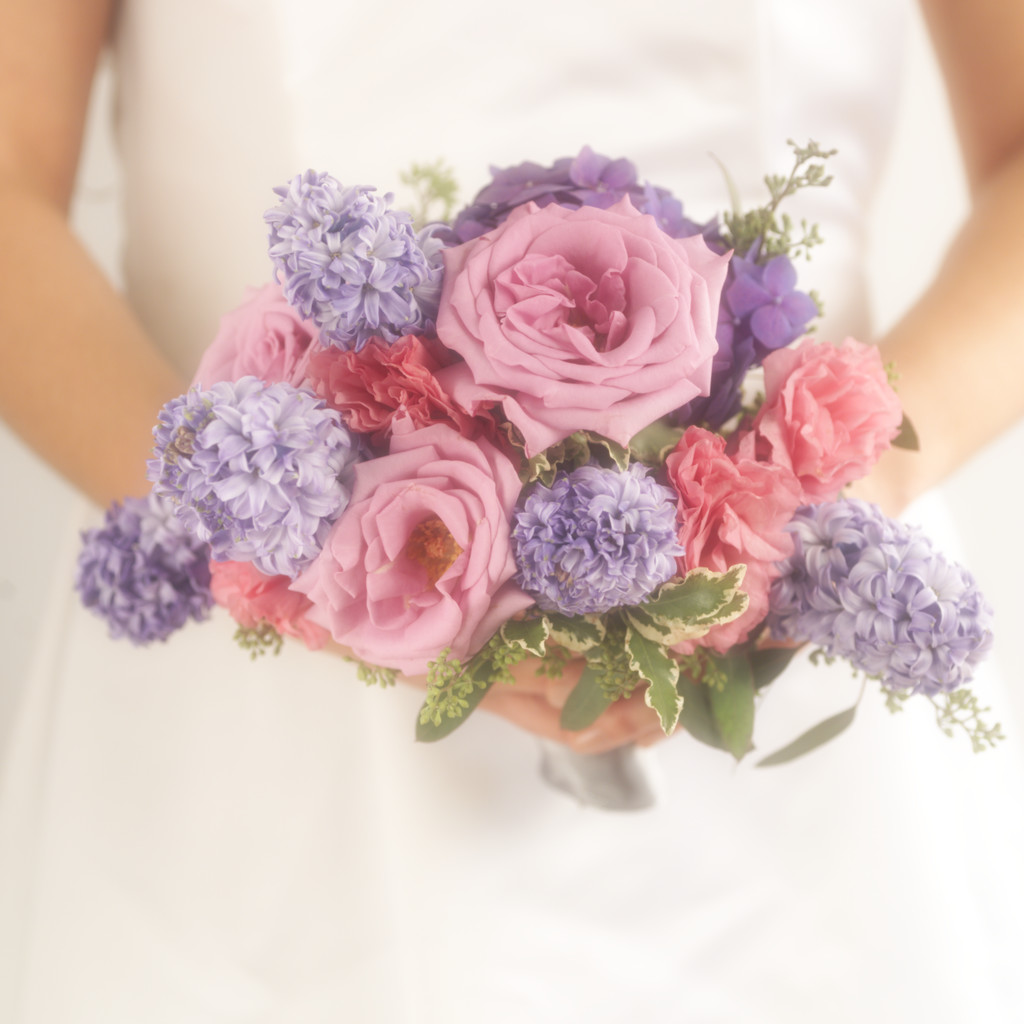
Healthy behaviors have been documented to aid relationships. If too much focus is on “losing 15 lbs” for the wedding, what happens to the goal the day after you get hitched? Alas, the point of this post is to share a fun way for you to be active on your wedding day and celebrate the active life you live – and, to illustrate your commitment to these healthy choices.

If you are planning a wedding day run, I encourage you to consider this activity as a way to not only personally connect with the bride, but to help everyone relieve stress, have fun/social time, start the day with a sense of accomplishment and with a connection to nature.

“Strides with the Bride”

What you will need:
* Duct tape.
* Velcro.
* Quotes about love and marriage.
* Glue (to paste one quote / inside of each flag)
* Finish line sign or pictures of the bride/groom, friends, family, etc.
* Rope/String to hang the sign on trees at the finish line.

What you will do with the supplies:
* Picture flag football flags. Now, make use the duct tape to make belts and flags for each person attending the “Stride with the Bride” run.  The bride’s belt should have velcro covering the entire perimeter with at least as many flags as there are people.  The quote /passage about love / marriage should be pasted inside the flag so the bride doesn’t read it. Each of the other belts should have several pieces of velcro so that when the bride “loses” a flag, the person who grabbed it can attach the flag to his/her belt.
* Hang the sign without the bride knowing it is there.

How does the activity work?
* The group surprises (if possible) the bride with the flags, belts, etc. Let her think folks are just meeting for a run.  This way, she can start her day feeling special and loved.
* The group goes for a run together.  The bride is instructed that when someone grabs a flag from her belt, she is to chase that person down! Intervals, baby! What a better way to relieve stress?
* Once the bride catches up to the person who took off with one of her flags, the person reads her the passage/quote while they continue to run alongside each other at recovery speed.  This way, they have time to chat (just the two of them) while the rest of the pack catches.  Each person who was invited to join in on the run / fun had a chance to wish her a special day, share a piece of wisdom, or just to joke around as s/he took strides with the bride.
* After running together as an entire group, a few more minutes would pass and then someone else would steal a flag from the bride and, away she would go – again!

Written by Amanda Stanec, PhD. Amanda has published over twenty articles and co-authored several book chapters related to physical education, sports, health and wellness topics. She has served on the Board of Directors for Physical and Health Education (PHE) Canada.
She is Owner & Consultant of ABLE Consultants: Active Balanced Lives for Everyone. Amanda may be reached via www.able-consultants.com


Planks Explained by Gen Levrant

Make your planks functional: 5 variations to try

I could go on for pages about why and how a standard plank will not give you a flat stomach. Holding your abdominal muscles isometrically for as long as you can is not functional. Fortunately, there are ways to tweak the plank to make it functional. For a muscle to produce a powerful contraction, it first needs to lengthen. This does not happen in the plank, so here are five variations to ensure it does. (Please consult with a fitness professional if you are pregnant, new to exercise or unsure of proper and safe technique. And as always, seek medical clearance from you doctor prior to beginning any exercises.)

Knee to chest: start in a standard plank position: elbows bent, forearms resting on the floor and abdominal muscles braced. Use your abs to pull one knee towards your chest, bending it at a right angle and exhaling. Repeat with other knee for 10-20 reps.

Tilting hips: start in a press up position. Keeping your feet together, tilt your right hip to the side as if trying to point it to the ceiling. The same side elbow will bend a little. Go back to the start and repeat with the other hip for a total of 10-20 reps

Reverse plank: start on all fours facing the ceiling with your elbows straight, knees bent and bottom off floor. Reach to  the ceiling with one hand, raising your pelvis to the ceiling and engaging your gluts. Dip your elbow and repeat for 10-15 reps before switching arms.

Up & under: start in a press up position, open one arm up as far as it goes. Bring it down under the body, reaching as far as you can before replacing it back at the start. Repeat with the other arm for 20 reps (10 each arm.)

Foot crossovers: start in standard plank. Cross one foot over the other to touch the floor outside of it, and bring back to the start. Repeat for 30 secs before switching legs.

Take a look at all moves demonstrated on YouTube.

These will hit your abdominals in three planes of motion, which is how we are designed to move. They can be added on to one of your existing workout routines or performed alone.

Gen Levrant is an Advanced Personal Trainer and fat-loss specialist operating out of a private functional training studio in Southampton UK. For fitness tips, updates and further info: http://www.fasterpt.com/personal-trainer-southampton/or email Gen via gen@fasterpt.com. Follow her on Twitter @PTGen, https://www.facebook.com/FasterPersonalTrainingSouthampton or via YouTube Channel http://www.youtube.com/watch?v=82Jii13lkNY

Food Safety Tips by Heather Mangieri, MS, RDN, CSSD

Be Mindful this Weekend by Using Proper Food Safety Habits

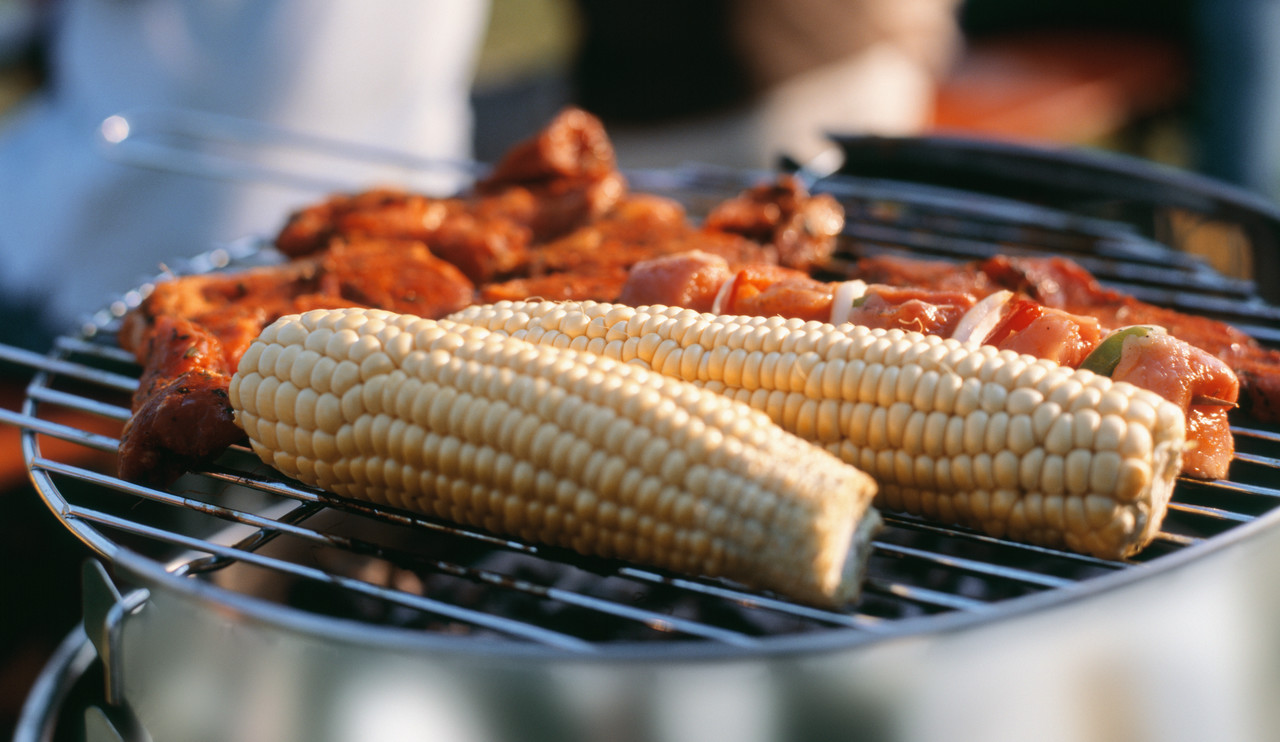
Who’s ready to get their grill on? The weekend is just around the corner and thousands of us will be getting together with friends and family and cooking outside. Whether you’re the host of the gathering or you’re headed to a picnic planned by someone else, you’ll want to make sure the food you offer is properly prepared to prevent food-borne illness.  Be mindful of the entire food preparation process; from the grill we use to cook the burgers to the dishtowel we use to dry our hands to the plate we carry raw foods on. To keep you, your friends and the entire family safe, be sure to use proper techniques when preparing, serving and re-handling foods.

•         Keep equipment safe- If you have not cleaned your grill since last year, now is the time. Scrub the grill, outdoor utensils, coolers and other containers with hot soapy water before cooking your favorite summertime foods.

Your cooking equipment also includes your apron & dishtowel. These items can harbor bacteria if you are using them to clean up spills, wipe raw juices or wipe dirty hands. Consider paper towels for drying hands and wipes for cleaning spills.

Lastly, avoid cross-contamination, one of the most common concerns during outdoor grilling season. Keep raw foods and ready-to-eat foods separate. Be sure to use a new plate to place prepared foods. Never brush meats to marinate with the same utensil you brushed raw foods. If you’re headed to a picnic, bring lots of extra plates, utensils, paper towels and make sure there is extra soap and water for keeping hands clean.

•         Prepare food safely- this includes any prep work that is being done in preparation for your picnic or party. Be sure to wash hands before, during and after preparation. Make sure you never partially pre-cook meat or poultry before transporting. If the item must be precooked, cook it until it is done, cool, pack in the cooler and then re-heat as necessary.

Be sure to use a meat thermometer to check that food has been cooked to a proper internal temperature. You can’t rely on color, smell, taste or texture alone to determine if meat is thoroughly cooked. A food thermometer also prevents you from overcooking meat and poultry. Never reuse marinates that have come into contact with raw meats.

•         Keep food safe after cooking- The higher the temperature, the less time foods can remain out of refrigeration. The typical two hour rule does not apply in hot weather (greater than 90 degrees F). Rather, it gets cut to 1-hour. Keep cold foods on ice so that they stay below 40◦ F or hot foods hot (over 140◦ F).

You don’t want to be remembered for the host with the dirty grill, or the person that prepared the burgers that made everyone sick.  For more food safety information visit www.homefoodsafety.org.

Heather Mangieri is a national media spokesperson, registered dietitian and owner of Nutrition CheckUp in Pittsburgh, PA. For more information visit http://www.nutritioncheckup.com. You can follow Heather on Twitter @nutritioncheck and join her facebook community at https://www.facebook.com/NutritionCheckUp

Kids and Water by Maggie Ayre

How to Get Your Kids to Drink More Water

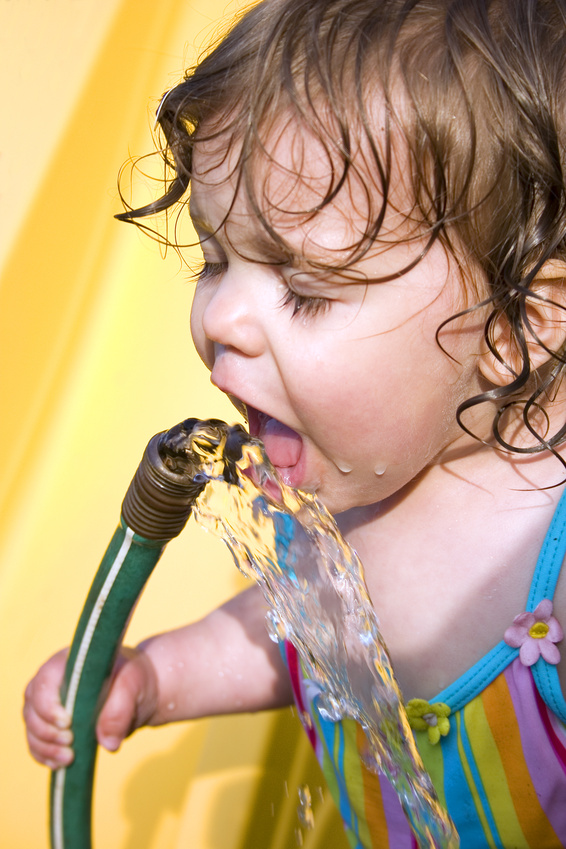
We all know our kids should drink plenty of water right?  After all our bodies are two thirds water, every cell in our body contains water and water is the second largest constituent of our brains. Research has shown that we should all be drinking at least 2 litres of water every day, which is approximately 8 glasses.  Research also tells us that many young people aren’t achieving this.

So, what can we do to encourage young people to drink more water? We must be a good role model and make sure we are drinking water every day ourselves, and secondly, we can work to make water as interesting as possible!

Very young children can refuse water because they prefer the taste of fruit juice and squash.  Limit these sugary drinks to special treats though as they have been closely linked to obesity and tooth decay.  Keep offering your child water, especially at meal times.  If you can help them build the habit of drinking regularly at this age they will find it far easier as they get older.

School age children should always go to school with a water bottle and this is actively encouraged at most schools.  There will be opportunities to drink at break times and lunch time, if your child’s water bottle comes home full every day talk to their teacher.
After school is an ideal time to get your child to eat a healthy snack, such as fruit, and have a glass of water as they are tired and hungry after a busy day.

Make sure you offer your child or teen a drink whenever you have one.  Let them see you regularly having a glass of water rather than a cup of coffee or sugary drink and they are more likely to follow your lead.

Make water more interesting by:
•    Keeping it in the fridge – many young people prefer the taste of ice cold water.
•    Adding fruit such as lemon juice, cucumber, strawberries, kiwi fruit or tangerine segments to a jug of water – if changes the flavour slightly and certainly looks more appealing!
•    Trying herbal teas if it’s a chilly day – you could even make your own hot drink by pouring boiling water over slices of lemon and fresh ginger – delicious.
•    Finding interesting water bottles – roll up bottles are ideal for older kids as they can be rolled up and stored in a pocket or bag when empty – younger kids love a water bottle with their favourite cartoon character or a reminder of a fun day out.

Maggie Ayre is the UKs leading Fitness Coach for Teen Girls. As well as one-to-one and small group nutrition and fitness work with teens she has developed the 3G Program designed to be run at schools as part of the PE curriculum. She also offers mentoring for PE departments on how to re-engage teen girls with PE and has recently published her third book; “Nutrition for Exam Success – A Parent’s Guide” which is now available as a Kindle and paperback at Amazon. For more information, www.maggieayre.com
How to Run Faster by Charlene Ragsdale

So you’ve been running for awhile and even have a few races on your athletic resume, but how do you increase speed? Running faster takes a specific approach as well as specific training. Get back to the basics of running faster specifics with these three expert tips:

Choose the right race, for fastest times
This may seem like common sense, but if you want to run a faster pace choose your race wisely. Participate in a race that is known for being a fast course, at the right time of year for weather and conditions.  Stay clear of races that have hills, extreme weather (cold or hot) or many corners. The straighter the better.

Do more training at your race pace
Beginners tend to run their long runs at a slow pace, which makes them good at running long, slow miles. But if you’re shooting for a certain race time, you’ll need to focus more on your goal race pace.  Every distance has it’s own requirements.  Focus on the race requirement to complete a 5k, 10k, Half or Full.

Do speedwork
Do track work, sprints, or even fartlek’s.  Until you engage your fast-twitch muscles, your legs will not know how to react when you need to run fast.  Just as you are building endurance, you have to build your fast twitch muscles for speed.

Charlene Ragsdale is a RRCA Certified Running Coach, IFA Certified Sports Nutritionist and member of the USATF Master’s All-American Team. She can often be seen at on the podium as a frequent Age Division & Overall Winner in several distances. She lives with her Chef husband, two sons and two dogs in Las Vegas, NV. You can follow her at her blog: www.FABRunning.com

Weight Loss Do’s and Don’ts by Lori Rosenthal, MS, RD, CDN

Four Infallible Weight Loss Dos & Don’ts

Plan Ahead - In the game of life, when we have a plan we are more successful. So, why would it be any different when it comes to weight loss? Meal planning gives us the opportunity to make healthy choices before life gets in our way (which it often does.) When we are already hungry, our judgment becomes clouded, often leading us to opt for what’s convenient instead of healthy. Planning ahead takes this out of the equation, which allows us to make smarter decisions that won’t leave us feeling guilty and dis-empowered. Need added incentive to plan ahead? Meal planning has also been found to decrease stress and save money.

Be Mindful - Eating mindfully means being aware of why, what and how much we are eating. Begin by asking, “Am I really hungry?” It sounds simple, but it is an effective way to avoid emotional eating, eating out of boredom and grazing (for example, snacking throughout the day.) During meals, focus on the meal. Turn off the TV. Put away your phone. Close the laptop. Studies show that when we take the time to chew, taste and savor our food, we naturally eat less and enjoy more.

Eat Your Calories, Don’t Drink Them - Sugary drinks have been a hot topic over the past year and rightly so. Eating and drinking are two different sensations. Calories from drinks, including fresh juice, add up very quickly, yet do nothing to curb our appetite. By swapping out juice and soda for sugar-free drinks, we can cut out hundreds of unwanted calories. As with eating, we must enjoy what we are drinking for the change to stick. To add flavor, but not calories try infusing water with fruits, vegetables or even ginger.

Don’t Skip Meals– Despite popular belief, we need to eat to lose weight. Skipping meals slows our metabolism, causing our body to hold on tight to every calorie we put in our mouth. This is often referred to as “starvation mode.”  Eating three meals and two to three snacks picks up our metabolism, facilitating weight loss. Meal skipping also leads to poor decision making, fast eating and larger portions. Three weight loss no-nos. If we never skip meals, we never get to the point of “starving,” enabling us to make smarter choices and control our portion sizes.

Lori Rosenthal, MS, RD, CDN
Bariatric Dietitian
Department of Surgery
Montefiore Medical Center
Follow Lori on Twitter via @LoRoRD