December 2, 2025

New School Year, New Activity by Maggie Ayre

School semesters have built-in cycles, why not apply that to exercise as well? September and the start of the new school year is a new opportunity for taking positive action on fitness, healthy eating and general good health. It’s also an ideal opportunity for your child (and all family members) to try something new! With the wealth of afterschool clubs and outside school activities in every town, there’s plenty from which to choose.

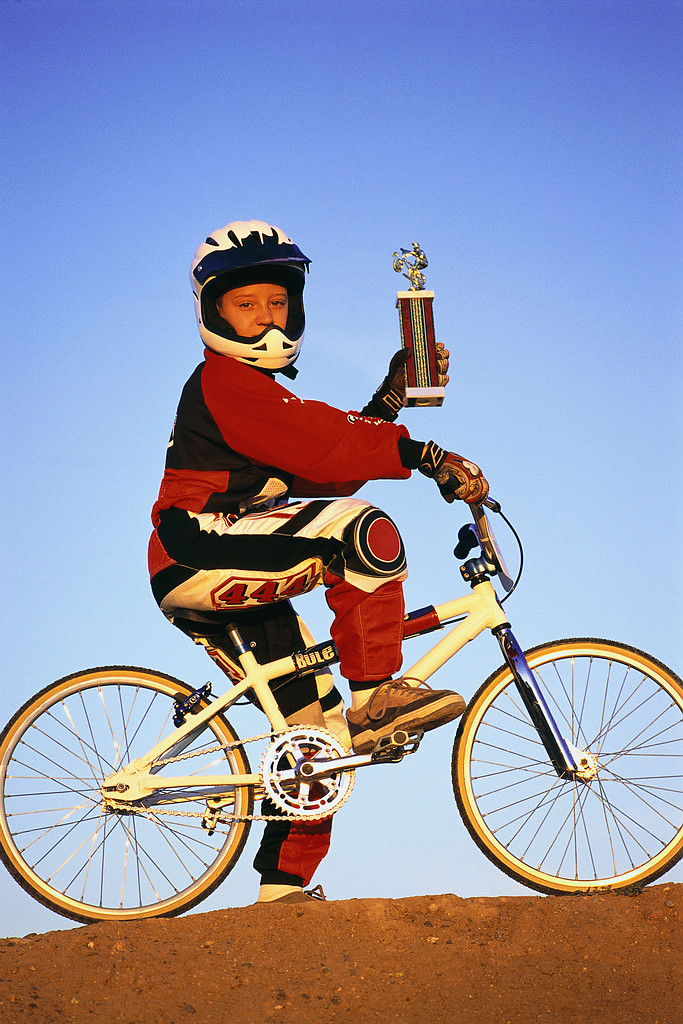
The Olympics this summer have enthralled young and old alike with many having the chance to watch and learn about sports they had never seen, or even heard of before. Handball, BMX racing, diving, sailing, judo, rowing and basketball clubs are full to overflowing with young people wanting to “have a go.” With multi-sports, athletics and other just for fun clubs like dodgeball proving just as popular.

Don’t miss out on this unique opportunity to encourage your children and teens to be active. There are so many different activities to choose from you’re sure to find one that appeals to them.

The great aspect is that next term it will be January and they’ll have the opportunity to renew and try yet a different activity. Will they keep going with existing activities or try something completely different again in 2013? Learning new skills and coordination that’s required with unaccustomed sports, meeting new friends, gaining a new coach mentor and being challenged by competition are all benefits to trying new activities. The days of playing the same old sports day in, day out, week in, week out are over.

This new school year help your children to discover the wealth of activities available to them and allow them to try a new activity each semester. You may have the next Olympic mountain biker or synchronised swimmer in the making.

Maggie Ayre is the UKs leading Fitness Coach for Teens. As well as one-to-one and small group nutrition and fitness work with teens (both online and face-to-face) she has developed the 3G Program designed to be run at schools as part of the PE curriculum. She also offers mentoring for PE departments on how to re-engage teen girls with PE and has recently published her third book; “Nutrition for Exam Success – A Parent’s Guide” which is now available as a Kindle and paperback at Amazon. She can be reached via www.maggieayre.com, www.nutritionplansforteens.com, www.femalefitnessrevolution.com

Why Sleep Matters by Chanda Fetter

So much to do, who has time to sleep? Sleep is one of the essential necessities to a healthy, productive life.  Just as it’s important not to cut too many calories when trying to lose weight, you’re not to skimp on sleep either and here’s why…..

How we learn and retain information. Sleep helps the brain commit new information to memory through a process called memory consolidation. In studies, people who’d slept after learning a task did better on tests later.

Metabolism and potential weight gain. Chronic sleep deprivation may cause weight gain by affecting the way our bodies process and store carbohydrates, and by altering levels of hormones that affect our appetite.

Keeping you safe. Sleep debt contributes to a greater tendency to fall asleep during the daytime decreasing productivity. Fatigue increases the risk of falling during our daily activity causing injury. On a larger scale, sleep deprivation can lead to road accidents.

Nobody likes a grump. Sleep loss may result in irritability, impatience, inability to concentrate, and moodiness. Too little sleep can also leave you too tired to do the things you like to do.

Cardiovascular health. Serious sleep disorders have been linked to hypertension, increased stress hormone levels, and irregular heartbeat.

Fight off illness and disease. Sleep deprivation alters immune function, including the activity of the body’s killer cells. Keeping up with sleep may also help fight cancer.

Our bodies were meant to have a 16 hour wake cycle which puts us at an 8 hour sleep cycle. Studies have shown that some individuals can get enough REM sleep in a 6 hour sleep cycle, the test is really in how you manage on the sleep you get. If you don’t suffer through bouts of drowsiness and sleepiness during the day then you can likely manage less sleep, however, anything less than 6 hours is just not enough. Some individuals need as much as 10 hours and contrary to common myth you don’t need less sleep as you age, however the ability to sleep for 6-8 hours at a time may be reduced.

Chanda Fetter
IMX Pilates Studio, Owner
www.imxsb.net

Wrinkles, Wrinkles and More Wrinkles by Gia Marie

Are you looking in the mirror these days saying to yourself  “wrinkles, wrinkles and more wrinkles?” You’re not alone! Unfortunately we can’t turn back time, however there are ways to prevent wrinkles and improve the health of your skin.

We have three layers of skin:
1) The outer layer of the skin is called the Epidermis and this is what everyone can see and touch. This is the protective layer.
2) The middle layer of the skin is called the Dermis, “True Skin” this layer is made of fibers called Elastin and Collagen that act as a foundation in the building blocks of the skin.
3) The innermost layer of the skin is called Subcutaneous which contains a layer of fat that gives the skin a plump appearance.

A wrinkle in the skin is known as a fold, ridge or crease in the skin. As we age the Dermis starts to lose both Elastin (the fibers that maintains the skin’s elasticity) and Collagen (which form the structural network of the skin.) The skin becomes thinner which causes slackening of the skin, and the fat in the Subcutaneous layer starts to disappear leading to more noticeable sagging and the appearance of wrinkles on the skin.

There are many factors in the causes of wrinkle. These are the most common:
• Sun Exposure
• Poor Diet
• Rapid Weight Loss
• Smoking
• Heredity

Remedy for Wrinkles and Lines:
There is nothing we can do to stop the aging process. Eventually we either have to accept our skin changes or choose to do something about the look of having wrinkles. Here are some recommended procedures to smooth out the look of wrinkles:

Chemical Peel. A chemical peel solution is applied to wrinkled lined areas causing dead skin to slough off and regenerate new smooth skin.
Soft Tissue Fillers. Collagen, Hyaluronic acid or even your own fat distributed into deep face wrinkles to plump up and fill in the area wrinkle.
Face Lift. This procedure involves the removal of facial skin with or without the tightening of underlying tissues.

There are also new crazes such a “Face Yoga” and many at home remedies that have been discussed throughout the social networks, but be advised to always consult a Licensed Professional before starting any procedure or topical treatment.

Gia Marie, founder of Gia Skin Care, may be reached through her website www.giaskincare.com. Follow Gia on her blog, http://giaskincare.blogspot.com .Gia may also be contacted via Twitter @Giaskincare, facebook fan page   https://www.facebook.com/pages/Gia-Skincare/137308882985074 and Google+ <http://goo.gl/B1ynW>


Why YOU should be using the Foam Roller by Charlene Ragsdale

If you are an athlete – you most likely will suffer from aches and pains at some point. It’s a mixed blessing. Sore muscles are proof that you are getting stronger, but on the other hand, it can cause a great deal of uncomfortable stiffness which can affect your sleep, work and daily lives. As an endurance runner, I learned of the benefits of foam rolling, early on my career. Foam Rolling is now a part of my daily plan and I recommend it to my coaching clients.

What is a foam roller? A long, hard Styrofoam or rubber-like tube. You will notice many use it at the gym or at an athletic event.

Why foam roll?
Helps prevent common injuries. One of the most important reasons for a regular foam-rolling routine is to prevent those too common exercise-related injuries. Foam rolling every day ensures you are massaging away buildup in your muscles.
Keeps you flexible & limber. Building up your flexibility is key for any athletic and fitness routine. Stretching and massaging your muscles can help combat tightness experienced from sitting after exercise for example.  

Things NOT to do with Foam Rolling
Never roll on the bone, only the muscles. This is particularly true with the shin area.  Roll off to the side of the shin bone, not right on the shin. Rolling is for muslces, tissues and ligaments, not for bones.
Never roll after icing.  Always roll PRE-icing.  Never roll on icey-cold muscles, but you can roll after a massage or heating pad. 

Rolling can be a wonderful part of your day, whether its a workout day or a rest-day.  It helps eliminate the kinks and knots in your back/neck, after exercise and also after a long day sitting at your desk.  As an athlete – rolling is essential, not a luxury.

Charlene Ragsdale is a RRCA Certified Running Coach, IFA Certified Sports Nutritionist and member of the USATF Master’s All-American Team. She can often be seen at on the podium as a frequent Age Division & Overall Winner in several distances. She lives with her Chef husband, two sons and two dogs in Las Vegas, NV. You can follow her at her blog:  www.RunningWithCharlene.com


Marathon: The Insider Scoop Written by Kristie Cranford

This article is sponsored by ELANVEDA. Sore muscles?
http://elanveda.com/essential-oils/muscle-and-joint.php.  ELANVEDA Muscle & Joint Relief, a blend of essential oils created to relieve joint discomfort & muscle soreness, is a must for every fitness enthusiast and athlete. Perfect for anyone who has joint or muscle pain due to an injury, fatigue or exercise. Enter HYWON1 to redeem your 10% discount through 9/15/12. ELANVEDA provides best-of-breed alternative medicine for everyday ailments, formulated using organic, wide-crafted and ALL NATURAL herbs and essential oils. ELANVEDA is partnered with Dr. Marc Halpern and the California College of Ayurveda to offer high quality products assuring the best formulas are used. Discover all their products, www.elanveda.com. Email via info@elanveda.com or call them directly, 310.570.9535. There is help for sore and achy muscles, ELANVEDA is your all-natural solution!


Marathon: The Insider Scoop Written by Kristie Cranford
 

A marathon is not only a physical feat, but a mental one. The best way to have a great race is not just to train, but to prepare.


Train within your ability. There are a numerous training plans available.  Find one that fits you.  Don’t be afraid to consult with a Coach.  No matter your ability, it never hurts to have a professional help you along the way.

Train at race time. Plan your long runs the same time and same day of the week as your race. Your body has a memory and will learn to run the distance at that time.

Experiment. Try energy gels, sports drinks, try it all. Get it down to a science and find out what works for you.  Train with what sports drink and energy gels will be provided at the aid stations on the race course. If while experimenting you find they do not work for you, plan a way to carry your own.

Train for the course. If it is a hilly course, don’t do all your training on flat surfaces. Even better if you can train on the actual race course. 

18 Mile training runs will drive you batty. Ask anyone. 17 miles, 19 miles, even 22 miles, no problem.  18 will drive you bonkers.  Just accept it, tackle it and run 18.1 if you have to.

Have a dress rehearsal. On a training run wear what you plan to wear in the race, fuel and hydrate like you plan to race day. If something isn’t right, you’ll have time to make changes before race day.

You will go crazy. There will be a time when your training tapers down that you will experience what has been called: Taper Madness, Taper Crazies, or Taper Tantrums.  Whatever you call it, all your nervous pent up energy will make you a little looney and edgy to say the least. Having a good friend to talk to will really help during this time. 

Carb load does not equal a car load of food. While experimenting, you should have figured out your best meal for the night before a long run.  Eat what you know is tried and true the night before the race. You do not want to be searching for a porta potty on the race course like a heat seeking missile.

It’s code. Call it superstition, or an unwritten rule, NEVER wear the race shirt in the race.

Relax. Race day you know what to do. You’ve trained, experimented, prepared. So relax and enjoy the marathon. When you’ve finished put on that race shirt, slap a 26.2 sticker on your car, and wear your medal with pride. You ARE a marathoner.

This article is written by Kristie Cranford, CPT. A wife, mother, cancer survivor and competitive athlete, Kristie is an ACE Certified Personal Trainer as well as a Running/Triathlon Coach for PRSFit Nation. Living in Las Vegas, she is the Chair of Long Distance Running for USATF-Nevada Association, Coolibar sponsored athlete, and Raw Elements Sunscreen Ambassador. Contact information:
Email: CoachKristieLV@yahoo.com, www.prsfit.com, http://coachkristie.com

Staying Healthy On the Road by Tanya Memme

I’ve been traveling and living out of suitcases for the past 12 years as the Host of A&E’s TV Series “Sell This House Extreme.” 

12 years ago before all of this happened, I was a workout junkie, had a membership at Equinox Fitness Club in Santa Monica, loved my Tae-Bo classes Sherman Oaks, ate very healthy and overall had a pretty consistent healthy schedule.

From the very first episode, my crazy life on the road began. Suitcase, flight, hotel and car rental information in hand off I went and I’ve never looked back. It was a HUGE adjustment mentally, physically and spiritually. Never thinking I would ever have a problem keeping up my exercise and eating program, trip by trip, episode after episode, the pounds accumulated. 25 pounds later, I tried using the hotel gym, local yoga classes, jogging in various cities, I’d bring exercise videos, exercise bands, skipping ropes etc…but with the show growing in popularity and with early call times and long shoot days I became exhausted and totally defeated. I’d beat myself up for not being able to exercise consistently and eat right. Surrounded by restaurant food in small remote town where a green vegetable is unheard of!

This past year, I’ve had a busier travel schedule than ever, and became a new mom. I don’t always get to the gym consistently but I found a way to fit right back in to my pre-pregnancy pants and stay healthy. 

Whole Foods has become my tag team companion in staying healthy on the road and since healthy restaurants and organic food is more readily available it makes everything much easier. Every time I land in a new city and before I check in to the hotel, I make a stop at a grocery store. This way I can buy healthy snacks and lots of water so I don’t get tempted by the mini bar in the hotel room.  Always ask for a mini fridge in the room so you can store perishable items. Its worth the extra charge to stay healthy. 

When it comes to exercise, I do what I can and have stopped beating myself up when I’ve worked a 14 hour day and am just too exhausted and have to choose between sleep and exercise.  I work out when I can, as often as I can and always make sure I’m having fun and enjoying it. I recently started taking dance classes with my 67 year old mother too. It might sound crazy but I’m getting stronger, having a blast and laughing my way to getting back in shape. 

A friend also introduced me to online personal trainers. Now THIS IS AMAZING!  No matter where you are or what time zone you’re in, you can have a personal training session via Skype! We use things in my hotel room and customize it to what I have access to and what time I have available. We have fun, and he motivated me to stay on top of my working out when the last thing I want to do is workout. 

Eating right more than anything will keep you healthy and lean and proper exercise keeps you strong. Do your best, give yourself a break, have trust in your best and let it all go! Find that AMAZING YOU and enjoy traveling, enjoy life and enjoy staying healthy along the way. 

Tanya Memme is the Producer/Co-Host of the Emmy nominated, A&E’s Sell This House and Sell This House Extreme.  She is a new mom, pet lover, travel enthusiastic & lifestyle expert.  www.TanyaMemme.com

Family Hiking Tips! Written by Suzi Smart

This article is brought to you by Polka Dot Pond Shop. Skincare is a priority for all family members! Protect your skin with paraben-free, phthalate-free and DEET-free outdoor skincare. The Polka Dot Pond Shop carries Environmental Working Group recommended sunscreen to protect yourself and your children from harmful UV rays during your outdoor activities. Also find a diverse selection of DEET-free alternative bug repellents including citronella-based, pine-based and nut based versions. Safe skincare is a must as you are enjoying outdoor activities with your family this summer. Check out all of the non-toxic options at a well-established and trusted online store https://www.polkadotpond.ca/Storefront/main_pages/browseProd_cat.php?mcid=12


Family Hiking Tips! Written by Suzi Smart

Hiking as a family is a great way to enjoy an active lifestyle, explore the natural environment and reconnect with each other. Young or old, winter or summer, hiking can be enjoyed around the world. Preparing for success on the trail helps ensure that everyone enjoys themselves to the fullest.

Here are Five Tips for Hiking with Kids:

Pick suitable trails. Make sure the distance, terrain and elevation gain is achievable for your little hiker – it’s better to do a slightly easier hike than one that makes the experience unhappy. Choose trails that are interesting – while adults can often be lured down the trail by the destination, for children it’s all about the journey. Choose trails with changing scenery and lots of things to see and do.

Slow the pace. Let the youngest hiker set the pace, family hiking is about enjoying time together as a family not about getting a workout. Make sure there’s time built in for exploring along the trail, climbing the boulders and tossing stones into the stream. Bring a field guide and learn about the animals and plants along the way.

Go with friends. Whether you go with one other family or an entire group, your child will enjoy running along the trail with a friend or two. In addition, with the relaxed pace, it’s a great time to chat and connect with friends or make new ones.

Pick your time. Pick a high energy time for your child, making sure that there’s enough time to complete the hike before any usual nap or quiet time. Some trails may require a little more consideration – some are brutal in the midday, summer sun while a waterfall on another may catch the morning sun.

Pack snacks and water. Pack some favourite snacks or a picnic and stop for a break along the way. It’s particularly important to make sure that everyone stays hydrated along the trail – ensure that you pack enough water for everyone.

In the end, the goal is to have fun, enjoy the experience and create a love of hiking that will last a lifetime. If something’s not working, reassess the situation and try a new approach. There’s nothing better than hearing “let’s go hiking up a mountain” in response to asking your child what they want to do. Happy trails.

Advisory: Always remember there are inherent risks when hiking, always use caution and assess trails and conditions carefully.

This article is written by Suzi Smart. Suzi is a stay-at-home mom raising a spirited three-year old boy, a wife, an outdoor enthusiast, graphic designer, writer and photographer. She writes The Big Picture – Inspiring families to find happiness outdoors and can be reached at TheBigPictureCalgary@gmail.com or @BigPictureYYC on Twitter.


Re-Evaluate your Running by Matt Fitzgerald

Running is a rewarding sport and a great way to get fit, but proper progression is essential to long-term sustainable running. Because of its high-impact nature, running can lead to a more overuse injuries than non-impact forms of exercise such as swimming and bicycling.

Re-evaluate your running often to prevent aches and pains. Here are five specific measures critical for long-term sustainable running:

Ease into it. Experienced runners are more resistant to injuries than beginners because their legs have adapted to the repetitive impact of running by becoming more durable. But getting to that point is tricky, because running initially breaks down bone, muscle, and connective tissue before rebuilding it stronger than before. This is when the risk of injury is greatest. 

To minimize this risk you need to give your legs time to rebuild between runs. When you start a new running program you should run every other day at the most. As you progress, heed the 10 percent rule: Don’t increase your mileage or the distance of your longest run by more than 10 percent from week to week.

Listen to your body. Most of the overuse injuries that force runners to miss weeks of training start off as mild aches and pains. If you react to these warning signs quickly by ceasing to run immediately and taking a day or two off, you’ll prevent small problems from becoming big ones.

Strength train. Research has shown that weightlifting and other forms of strength training reduce injury risk in runners by increasing stability in key joints (especially the knees and hips.) Perform functional strength workouts that focus on the core, glutes, hips and legs two or three days a week.

Fix your form. Some of the most common running injuries are connected to abnormalities in an individual runner’s stride. If you do become injured, visit a physical therapist with lots of experience with runners to identify the flaw that contributed to your problem, as well as outline a progam to correct it. Trying to change your stride on your own may do more harm than good. However, one exception is the little trick of trying to make less sound when your feet land. This will force you to run with less impact force and may reduce your injury risk.

Matt Fitzgerald is the author of RUN: The Mind-Body Method of Running by Feel. He is also a Training Intelligence Specialist for PEAR Sports.

Commercials without a Break by Hope Epton

Exercise has long been linked to reducing the risk of chronic conditions. So if it’s so good for us, why do people simply not have the time to workout? It’s more likely that it is not a priority, because 30 minutes a day doesn’t seem too much to dedicate to your overall health.


So where do you find the time? Simple. If you watch one hour of television, you have on average 20 minutes to workout during commercial breaks. While it’s recommended by the American College of Sports Medicine (ACSM) that you perform at least 150 minutes of moderate-intensity exercise each week, this is certainly a good start.


The average television commercial is 30 seconds long, sometimes it can be a minute, and rarely longer. Having this in mind, you can perform a different exercise for each commercial, or a series of exercises throughout one commercial break.


Here is an example of a Commercial Break-Out. On average, there are about 4-5 commercial breaks in an hour of programming, so each round can be done per break, and repeated if there is time.


This sample workout requires no additional equipment: (Please consult your physician before beginning this or any exercise program.)


Round 1:

Plank for 30 seconds, 10 Pushups, 10 Mountain Climbers, and 10 Burpees


Round 2:

Plank for 30 seconds, Crunch time: 10 Regular, 10 Bicycle, and 10 Reverse Crunches


Round 3:

Plank for 30 seconds, 10 Front Lunges, 10 Squats, and 10 Reverse Lunges


Round 4:

Plank for 30 seconds, 10 Flutterkicks, 10 Vertical Leg Crunches, and 10 Heel Touches


Round 5:

Plank for 30 seconds, 10 Dips, 10 Back Extensions, and 10 Table Tops


Want more of a cardio challenge? Add 10 jumping jacks or jog in place for 30 seconds between each round.


If you have a stability ball, watch your favorite program sitting on the ball instead of the couch. You will burn extra calories and strengthen your core. If you have dumbbells or resistance bands you can incorporate an array of additional exercises into your regime.

Make your health a priority while enjoying your favorite television programs.

This article is written by Hope Epton. ACSM Certified Health Fitness Specialist. Follow Hope on her blog at http://SportyMom.me. Or via her facebook page http://facebook.com/SportyMomme, twitter, http://twitter.com/SportyMomme or pinterest, http://pinterest.com/SportyMomme


Triathlon Race-Day Tips

This article is sponsored by PRO Compression. At PRO Compression, foot comfort runs in our veins. We’re all about giving our customers an edge, providing you with socks that will enable you to perform better through improved blood circulation for the most extreme run, weekend jog or golf outing. Wear PRO Compression socks while flying to events, while sleeping, and during and after the races to help increase blood flow, reduce inflammation and remove lactic acid. Athletes tout PRO Compression as their socks of choice due to the built-in “stabilizing zone” for added support and the socks’ slightly padded heels and toes that eliminates hot spots and blisters. PRO Compression socks should play a major role in all athletes’ racing strategy. Our socks are the result of years of innovation and designed to keep you ahead of the competition. A better footwear choice is simply not available. For more information on PRO Compression socks and other compression products contact Eric Smith at: eric@procompression.com. Use discount code YOURWAY20 for 20% off any Marathon Compression Sock or Trainer Low Running sock at http://www.procompression.com/

Triathlon Race-Day Tips by Nicole Clancy

Miles are logged. Techniques perfected. Form practiced. Food and hydration dialed in. But what about planning the logistics of your race-day prep? There are lots of race-day details that can lead to either a chaotic day or a smooth stress-free day. Here are a few athlete tricks and tips to insure your race-day goes smoothly.

Race-day prep begins well before the gun goes off at your actual starting line:

Plan for an early evening. A few weeks before heading to your race location, Google restaurants in the area. Look up the menu online to make sure the meal selections meet your needs. Then go one step further and make reservations. Eat early to allow for proper digestion. You may be too nervous go to sleep early, but you can rest and relax. Watch a movie, chat with friends. Lounge guilt-free!

Gear-details. Writing your name in your wetsuit is a great trick. Let’s face it, transitions are hectic and for shorter distances your transition belongings may be accidentally shoved to another area or placed with another athlete’s belongings. Packing a few zip-ties may also prove helpful. These simple plastic-fasteners, found at every hardware store, may come in handy if your zipper breaks on your wetsuit, if your numbers need to be refastened to your bike or if your goggle-strap snaps, for example.

Be aware of the weather forecast. Know the temperature and wind conditions as both of these specifically can alter your bike, swim and run efforts. Do you need to pack arm or leg-warmers for the bike leg? Layers you’re able to peel away with one hand and easily store in your jersey while riding, is your best bet. There’s nothing worse than shivering your way through a race or overheating due to lack of planning.

Read (don’t skim) the athlete-instructions information. You’ll decrease stress by answering such questions as, location of athlete and spectator parking? What time does transition area close? Have there been course changes? Where is body marking located? Where is family reunion area located? Are they providing shuttle busses to the start? Leave these instructions with your spectators, so they have all the information in-hand to better assist you.

Set out your Sun Block and Anti-Chafing product. Placing these items on the bathroom counter to apply in the morning, before even leaving for the race venue is a great time-saver. Once these two important tasks are completed, there are two less actions to remember to do in the transition area.

Finally, race day is here! Here’s how to arrive to the starting line with less stress:

Stick with your tried-and-true breakfast. Following the principle of ‘nothing new on race day,’ eat exactly what you did during training. Call ahead to your lodging and ask what arrangements are available, keeping in mind the early morning race start time. A good rule is to always bring food with you from home, and don’t forget utensils!

Pack simply. Don’t overload your transition bag. Stick with your essential gear, and keep items easy to see and grab quickly. Keep in mind also, that your hands may be cold coming out of the swim and therefore dexterity to pick up some items may be compromised. Another trick is placing a colorful towel right below your bike to make your transition space visible as you may be disoriented from the swim. The towel also allows you to step immediately onto the towel to wipe dry the bottom of your feet without adding even an extra second to your transition. Keep transitions simple, simple, simple!

Bring an extra swim cap. Although race-wave colored caps are required, if the water is cold consider wearing your own cap beneath the race cap to increase core temperature.

Rack your bike in an easy gear. Racking your bike in an easy gear allows your legs a few critical minutes to spin easily when first out of the water. Doing so, increases blood flow to your leg muscles as you settle into your bike leg. Placing your helmet (with the strap unfastened) cradled in your aerobars or handlebars is a great tip and allows easy access to secure your helmet as your first action in the swim to bike transition. Hydration/fuel should already be mounted on your bike or in your gear bags.

Warm-up in the water, if possible. At a minimum splash water over your head and face to acclimate to the water temperature and conditions. A proper warm-up will allow you to relax into your swim faster, and hold your swim line easier for a more efficient swim and a faster time!

Thank a volunteer! They are there to help you enjoy a better race experience.

It’s time to toe the starting line. You are ready.