June 5, 2026

Boosting Your Brain Health by Mary-Anne Reed

This article is brought to you by i declare! “Keep what is important to you, close to you.”  i declare! makes personalized sterling silver jewelry to help you keep a close reminder of what is most important to you on a daily basis.  Is there a word in your life that means a lot to you? A special phrase, a mantra, someone’s name, or a goal you accomplished?  Put that on a piece of sterling silver and wear it daily! All of i declare’s charms, necklaces, and bracelets are made of the highest quality sterling silver and will last a lifetime. Each of the charms are handmade, and crafted right here in the USA. i declare! is a small business that was started by a mother and a runner, and someone who believes in the joy of the simple things in life. We would love to help you celebrate what you love, with a lasting keepsake charm, necklace, or bracelet- hand stamped for you, with just the right words. Come take a look at our latest designs, and create your own personalized piece at www.ideclarecharms.com. Or contact us directly for design information by emailing, info@ideclarecharms.com.

Boosting Your Brain Health! 5 Ways to Keep Your Brain Young

Neuroplasticity: The brain’s ability to reorganize itself by forming new neural connections throughout life – MedicineNet.com

If you think that you are stuck with the brain you were born with and can do nothing to improve your intelligence or how your brain ages, you are out of step with the latest scientific findings.

“Neuroplasticity” is the new buzz word among the neuroscientists. This amazing concept means that your brain and its neurons are not set for life. Those wonderful “little gray cells” are smarter than you thought. They respond, grow, and change according to your activity patterns.

How does this translate into an everyday life? Your choices determine whether your brain stays young or grows old. Since brain fitness affects your overall health, this puts you in the driver seat as far as how you age and the quality of life you can achieve.

Five ways to keep your brain “in the groove” past 40:

 
Healthy Food - Fish is recommended five times a week. Add to your protein rich meal, green leafy vegetables, fruits (especially fresh berries), beans, peas, legumes, nuts, whole grains, low-fat dairy, healthy oils. Stay away from processed foods.

Daily Exercise - Aerobic exercise (30 minutes three or more times a week) oxygenates your blood stream and brain. It also protects your brain from losing gray matter. Weight lifting or resistance training (two or three times a week) not only specifically develops muscles but improves cognitive function… good for brain and brawn. These two types of exercise work well together for optimum brain health.

Positive Thinking - Daniel Amen, M.D. in his book, Change Your Brain, specifically recommends identifying negative thoughts and turning them into positives as a way of improving brain function. Bruce Lipton, Ph.D. in his Book, The Biology of Belief, demonstrates through scientific research that beliefs, thoughts, attitudes effect your genes and cellular life. Remember this includes brain cells. So choose to be positive!

Maintain Social Ties – According to alz.org, Alzheimers Association, “Research shows that people who are regularly engaged in social interaction maintain their brain vitality.” So reach out and get together with family and friends. Develop and enjoy your relationships for brain happiness.

Keeping Active & Learning Oriented – As you age, your brain neurons disconnect causing mental decline. However, stimulating your brain through activity and learning can reconnect neurons and even birth new brain cells. So keep on doing those crossword puzzles. Go to concerts and plays, read, write, learn a new language. Get out those board games and invite over your neighbors. Curiosity killed the cat, but for you it will pump up your brain health. When it comes to learning, the more difficult it is, the more neurons you will generate.

So no more believing the less you do the better off you are. Get active, exercise, eat right, think positively, relate – it’s all part of life and part of keeping you and your brain fit.

Mary-Anne Reed has been a writer for over 30 years. She writes about the mind-body connection, health, positive thinking, and how to become your Highest Potential Self on http://HPSelf.com. Follow her on Twitter at http://Twitter.com/HPSelf.

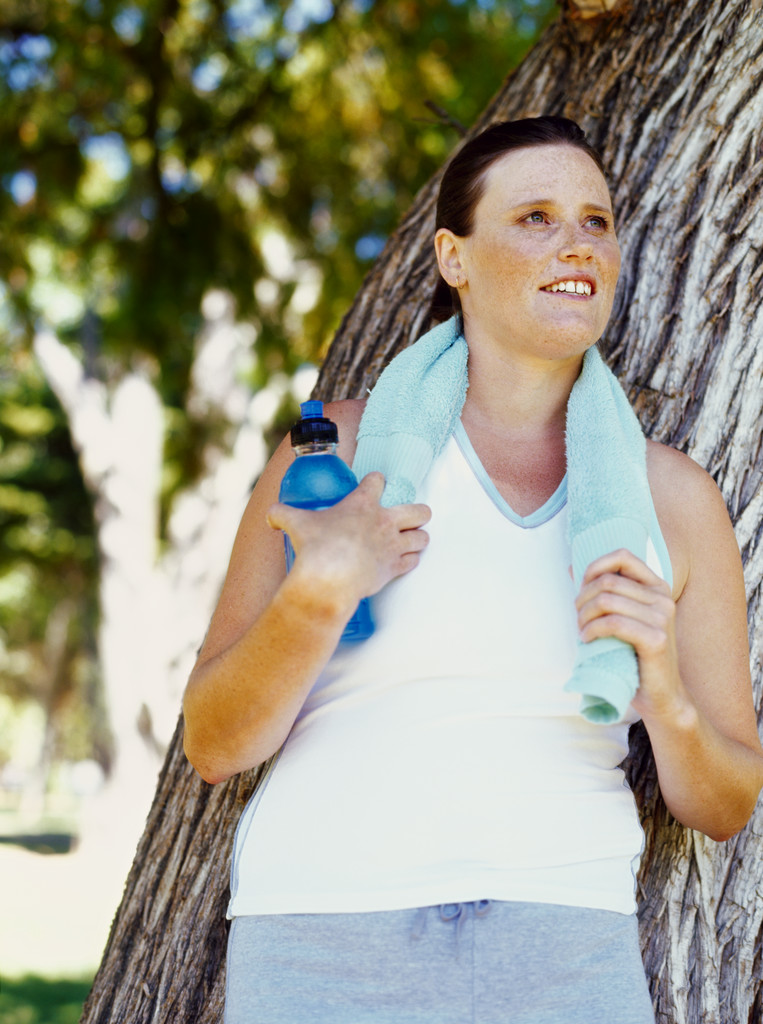
Disordered Eating- Get the Facts by Maggie Ayre

When Do Poor Eating Habits Become an Eating Disorder?

We all know teenagers who follow “silly diets” eating far too little in their search for a size zero figure. We also all know teenagers who don’t seem to care what they put in their mouths consuming as many chocolate bars in a week as other people might eat in a whole year.

For teenagers it is important to eat enough to develop strong bones and muscles and a strong brain. Too few calories will destroy muscle mass, forcing the body to break down muscle for energy. Energy levels will suffer badly if too few calories are consumed leaving teens unable to do all the things they want to do. It is difficult to get all the necessary vitamins and minerals from a diet that is low in calories. In the short term this could lead to reduced immunity from colds, viruses etc and in the long term to a failure of the body’s systems. Huge mental and physical changes that occur during puberty may make teenage girls more susceptible.

But, when do poor eating habits become an eating disorder?

Eating disorders often begin with normal dieting. A person starts to diet and exercise to lose weight but as the weight starts to come off it becomes an obsession, something triggers a desire to constantly lose more and more weight. For many anorexics self-starvation is a way to feel in control, whilst feeling powerless in their everyday lives they can control what they eat. Bulimia is often triggered by a very strict diet or by a stressful life event.

Some definitions…..
Obesity - a medical term that means someone’s weight is likely to cause serious health problems in the future. Problems such as heart disease, cancer, diabetes or depression

Anorexia nervosa - a psychiatric diagnosis that describes an eating disorder characterised by low body weight and body image distortion with an obsessive fear of gaining weight. Most common in adolescent girls and young women, with a typical age of onset between 13 and 20, but men and women of all ages can be sufferers.

Bulimia nervosa – an eating disorder characterised by recurrent binge eating followed by compensatory behaviour referred to a purging – i.e. using laxatives or vomiting, or by excessive exercise and dieting. Appears to be more common in women, particularly young women.

Anorexia and bulimia are classified as eating disorders and should you suspect one of your friends to suffers from one of these potentially fatal psychiatric diseases you must refer them to a health practitioner who can help them. In the USA you can contact the National Eating Disorders Association and in the UK the Eating Disorders Association for help, advice and referrals.
In the first instance speak to an adult, either a teacher or parent about your concerns.

Anorexia – the signs and symptoms
For people with anorexia, it really is true that it is impossible to be too thin. Despite being dangerously underweight an anorexic will still see a fat person when they look in the mirror. Anorexics are often unable to see the tremendous physical and emotional damage that results from self-starvation.
Anorexia is the irrational dread of becoming fat coupled with a relentless pursuit of thinness, going to extremes to reach and maintain a dangerously low body weight.

Key features include:
refusal to sustain a minimally normal body weight – dieting despite being thin
intense fear of gaining weight
distorted view of one’s body or weight
obsession with calories, fat grams and nutrition
pretending to eat or lie about eating
preoccupation with food
strange or secretive food rituals
harshly critical of appearance

There are two main types of anorexia; restricting- weight loss is achieved by restricting calories, following diets, going on fasts and exercising to excess. Purging- sufferers get rid of excess calories by vomiting, using laxatives and diuretics.

Bulimia – the signs and symptoms
People with bulimia are extremely concerned with their weight, yet they can’t fight the compulsion to binge. They drastically overeat and then purge, fast or exercise to get rid of the excess calories. It is characterized by frequent episodes of binge eating, from twice a week to several times a day, followed by frantic efforts to try and stop gaining weight.

Key features include:
regular episodes of out of control binge eating
inappropriate behaviour to prevent weight gain
self-worth is excessively influenced by weight and physical appearance
lack of control over eating
secrecy surrounding eating
puffy cheeks or the smell of vomiting
frequent fluctuations in weight

As with anorexia there are two types of bulimia; purging- physically purge the excess food from their body by vomiting, using laxatives etc. Non-purging- less common, make up for their lack of restraint by fasting, exercising to excess or going on crash diets.

In general, women are far more likely to suffer than men, and younger women are more at risk than older women. It often follows a very strict period of dieting or a stressful life event.

In 2012 Maggie will launch her Girls Nutrition Workshops and her 3G Program as well as continuing her work with individual girls and their mothers.  She is available to speak at schools, women’s groups and community events.  More information about Maggie’s work with teenagers can be found at www.maggieayre.com or www.femalefitnessrevolution.com

Ask A Pro by Tera Busker

Question: What exercises can I do while my kids are playing at the park? –Bonnie in OH.

Answer:
Do a circuit-style workout consisting of six exercises. Each exercise should be done for 30 seconds or 15 reps each. After completing one exercise, move right into the next exercise without rest. After all six exercises are complete, take a 60 second rest. Beginners should stop the workout after one circuit and move right into the cool down. Progress to performing three circuits of all six exercises for a 30 Minute Park Workout.

Start warming up your muscles by taking a 5 minute walk or light jog around the park.

Platform Pushups
Find a platform that is about waist high, for example a step on the jungle gym. Place your hands about shoulder width apart on the platform. Keeping the back flat, core tight and hips down, perform a pushup.

Bench Step Ups
Using a bleacher or a bench, step up on to it with your left foot. Use and up, up, down, down cadence. After 30 seconds, switch and step up starting with your right leg.

Plank
To get into the plank position, start on elbows and knees, locking hands together. Straighten legs and raise your body so that you’re supported by the balls of your feet, with feet hip-distance apart. Face the ground, being careful not to arch your back or lift your hips.

Walking Lunges
With your right leg, lunge forward about three feet until your right thigh is parallel to the ground and your left knee is nearly touching the ground. Pause momentarily and then repeat the forward motion with your left leg. Lunge forward for 30 seconds and turn around and lunge back the way you came. To make this exercise harder, try doing the walking lunges up a hill.

Bench Dips
To do the bench dip, go back to your bleacher or park bench and have a seat. Grab the edge of the bench keeping your hands close to your hips. Walk your feet forward slightly until your hips are off of the platform and your knees are at a 90 degree angle. Bending your shoulders and elbows, drop your hips straight down towards the floor about six inches. Push yourself back up.

Hanging Abs
Hang from the high monkey bars, arms bent or straight. Pull your knees up towards your chest and then lower them back to your starting position. Be sure to keep the movement slow and controlled. Remember – this is an ab exercise, so your abs should be doing the work, not the legs. Try not to use the momentum and swing the legs.

Walk around the park for 5 minutes at a slow pace to cool down. Finish off the workout by stretching the muscles you just worked.

Tera Busker is an ACE Certified Personal Trainer and owner of Fitness To Go, an exclusive In Home & Private Studio Personal Training Service based out of Roberts, WI. www.fitnesstogo.net

Life Changes by Colin Milner

This article is brought to you by Maggie Ayre. Maggie is the UKs Leading Fitness Coach for Teenage Girls. She has recently developed the 3G Program designed to be run in schools and youth clubs with the aim to get every teen girl active. She also offers Personal Training for Teenage Girls in person and via email, skype and video sessions. To learn more visit: www.maggieayre.com

100 Years of Change

I am at odds with the prevailing philosophy that older adults don’t want to change. At age 100, my grandmother has seen two global wars change the world. She watched the rise and fall of fascism in Europe, plus the rise and fall of communism in Russia and the Eastern Bloc. She experienced the prosperity of the 1920s and the hardships of the Great Depression that followed. In her lifetime, many new countries have been created, and travel has become common, thanks to the advent of commercial flight. A man walked on the moon, and she was able to watch because of the invention of television. The power of technology has increased the pace of change and reshaped the world since her birth. Telephones have become mobile and “smart,” while personal computers and the Internet have put the world at people’s fingertips. This is the remark- able level of change my grandmother has experienced, yet this is the same person society believes incapable of change.

My grandmother has lived, loved and experienced loss over her 100 years, but rather than resist change, she has embraced it due to her innate adaptability—a key contributor to longevity.

Here are five lessons we can learn from those who have experienced 100 years of change:

Have passion: One of the most important things; find what excites you. My grandmother, for example, experiences great joy in her boys—the Vancouver Canucks. Forget avid follower; my grandmother is a rav- ing fan of this National Hockey League team. In fact, I’m sure that in her mind, she is part of the team. Passion prompts staying engaged in daily happenings and surroundings!

Be adaptable: Life is full of challenges, learning to and even embracing challenges is imperative. No matter what happens, keep moving forward.

Remain positive: Due to a mild stroke several years ago, my grandmother lost vision in one eye and transitioned to using a wheelchair. Asked what she thought of her wheelchair, she explained that it was a new exercise tool and she was learning the ways in which to use it. Find the positive!

Love: Be a giver, not a taker. Be generous in your spirit. Doing so, keeps us connected and invested in our relationships.

Enjoy the ride: No doubt there will be times where we wish to have done some things differently, but regrets are a waste of time and energy. Enjoy and experience life’s journey!

What changes will we see in our lifetimes and our careers? Questions—and opportunities—arise every day. What matters is how we respond. So, how are you responding to getting older?

By Colin Milner, founder and chief executive officer of the International Council on Active Aging® (ICAA), is a leading authority on the health and well-being of the older adult. An award-winning writer, Milner has authored over 250 articles. He is a Contributing Blogger to the US Department of Health and Human Services’ Be Active Your Way Blog, and has been published in journals such as Global Policy and the World Economic Forum’s Global Risk. He recently contributed a chapter to the book Global Population Ageing: Peril or Promise? (Published by the Forum in 2012.)

Inside-Out Fitness by Mary Miriani

Spring has arrived, and swimsuit season is looming. Most people think of fitness, and getting-fit, from the outside in. However in reality, fitness comes from the inside out and it begins with a positive mindset. If you really want to be fit, forget your old ideas about fitness being a way to shape your body, and instead shape your mind and spirit first. The result will be a great and healthy body, and mind! 

When we get in shape for looks alone, we allow outside things like the scale and mirror judge us. Instead, concentrate on how you feel on the inside. Get in touch with your own body’s signals, and a lifelong healthy body for life will result. 

So how do you create fitness from the inside-out? Listen to your body! Your body is superbly designed to tell you when to eat, move and rest:

Listen to how your body and energy feels with how and what you’re eating. Firstly, pay attention to how you feel when you under-eat. You may feel nervous, maybe have a headache, and eat uncontrollably later. Secondly, watch what happens when you eat junk food. Sure it tastes good and may provide a burst of energy immediately. However, how do you feel a few hours later?  You’re probably feeling sluggish and exhausted soon after consuming foods high in sugar. Conversely, take note of how you feel after eating healthfully. For example, maybe you feel lighter and enjoy balanced steady energy and less bloating after eating a lean protein snack or smaller meals later in the day. Keeping a food/feeling log is a great start!

Listen to how your body feels at various times during your day. For example, do you squirm after hours of sitting at your desk? If so, your body is begging you to move! The solution may be as simple as setting the alarm on your smart phone or computer to get up every 2 hours and stretch.

Listen to how your body feels and responds to your sleep schedule.  Do you feel rested and rejuvenated upon waking in the morning? Too little sleep and soon, you’re yawning; it’s hard to keep your eyes open and losing track of your thoughts during your day. Your body is demanding rest. Logging sleep patterns/feeling will provide important feedback.

This spring, develop a vision of how you want to feel and follow that vision by slowly taking the steps that bring you there; evaluate your overall variables of food, exercise and rest. Start building your fitness on the inside, and your body will soon follow. With awareness of your unhealthy habits, commit to action steps and change them one at a time, until you feel great. Fitness cannot and should not happen in a rapid effort to change your mirror image. If you focus on fitness from the inside out,  you will be feeling (and looking) great!

By Mary Miriani; BA Exercise Science; ACSM Health/Fitness Specialist. Contact her via email, mary@miriani.com.

Fit or Fat: Research Explained by Dr. Bushman

Fit or Fat – can it be either one or the other for health?

How do fitness level and body fat affect health risks?  Fitness helps to lower one’s cardiovascular risk level; gaining weight or fatness, in contrast, increases risk. Although these relationships are widely supported, there is less consensus regarding the impact of being fat but fit on health.

In a prospective observational study of 3,148 healthy adults over a 6-year time period, researchers examined the effect of fitness and fatness – separately and combined – on the development of cardiovascular disease risk factors, including hypertension, hypercholesterolemia, and metabolic syndrome. Fitness was determined using a maximal treadmill test (modified Balke protocol). Fatness was determined using percent body fat (7-site skinfold measures) and body mass index. Hypertension was defined as resting systolic blood pressure of 140 mmHg or higher, diastolic blood pressure of 90 mmHg or higher, or physician-diagnosed hypertension. Hypercholesterolemia was defined as total cholesterol of at least 240 mg/dl or physician-diagnosed hypercholesterolemia. Metabolic syndrome was defined as the presence of three or more of the following:  waist circumference of over 102 cm in men or 88 cm in women, triglycerides of over 150 mg/dl, HDL-cholesterol less than 40 mg/dl in men or less than 50 mg/dl in women, blood pressure of at least 130/85 or physician-diagnosed hypertension, and fasting glucose of 100 mg/dl or physician-diagnosed diabetes.

The researchers found changes in fitness and fatness were BOTH significantly associated with the development of hypertension, hypercholesterolemia, and metabolic syndrome; lower risk was associated with maintaining or improving fitness while the opposite was true for increasing fatness.

The researchers then examined the question – can fitness compensate for the health hazards of fatness? The answer appears to be not completely. Some of the negative effects of fat gain were lessened by maintaining or improving fitness BUT were not completely eliminated. Similarly, reducing body fat compensated for some health risk associated with loss of fitness but not entirely. 
 

Bottom line: maintaining or improving fitness ALONG WITH preventing fat gain are BOTH important for reducing risk of developing a number of risk factors associated with cardiovascular disease. 

(Source:  Lee D, Sui X, Church TS, Lavie CJ, Jackson AS, Blair SN.  Changes in fitness and fatness on the development of cardiovascular disease risk factors.  Journal of the American College of Cardiology 2012; 59:665-72.)
 

Dr. Bushman is a Professor at Missouri State University and is American College of Sports Medicine (ACSM) certified as a Program Director, Clinical Exercise Specialist, Health Fitness Specialist, and Personal Trainer. She is the editor of ACSM’s Complete Guide to Fitness & Health (Human Kinetics, 2011, http://www.humankinetics.com/products/all-products/acsms-complete-guide-to-fitness–health), a book focused on optimizing both exercise and nutrition to improve fitness and health for individuals of all ages. For more health and fitness related tips, join Dr. Bushman’s Fitness ID Facebook page (http://www.facebook.com/FitnessID) to discover, develop, evolve, and personalize your FITNESS ID. Dr. Bushman also is the lead author of ACSM’s Action Plan for Menopause (Human Kinetics, 2005, http://www.humankinetics.com/products/all-products/action-plan-for-menopause) and is the author of the “Wouldn’t You Like to Know” column in the ACSM’s Health and Fitness Journal.

Music=Workout Motivation!

This article is brought to you by Surf-her Skin Care. Surf-her Skin Care Online Store is available at www.surfherskincare.com. They are premiere skin and hair care experts. Created by Camille, a surfer and skin, hair and body care expert for over 30 years, these products are a must-have for every athlete. Camille designed her products specifically to serve the surf and water sports community, and has been gaining fans for over 20 years! Great for those exposed to the harsh effects of the sun, wind and salt water, as well as for anyone looking to prevent premature aging. Surf-her offers a wide variety of skin care, sunscreens, hair care and body care. Their number one selling product is the water resistant and chemical-free Surf Sol Daily Replenishing spf 30+ Sunblock and Skin Treatment. Email them for more information surferskincare@aol.com.

TURN IT UP!

What’s a sure fire way to instantly improve your mood? MUSIC! Music boosts mood and workout motivation, almost on the spot! Relax into the beat, let the melody guide your thoughts, settle into the lyrics or simply blank your mind and listen. Listening to a particular song is like repeating a mantra; a mantra that inspires perseverance, tenacity and mental and physical toughness. For the few minutes of the song, we are transported; no responsibilities and no deadlines, only us and our task at hand- get the best workout possible!

So next time you’re feeling down, unenthused or melancholy, turn it on and turn it up! Remember that one of the easiest and fastest ways to boost mood, and workout motivation is to crank up upbeat tunes! Not sure where to start your downloads? Health and wellness enthusiasts and Twitter leaders offer their best motivation picks to add to your playlist!

@SmashFit: Drive By by Train, Rockstar by Pink

@FitnessToGo: I’m Sexy and I Know It by Lmfao

@URHealthURChoice: Lonely Boy by The Black Keys

@LisaBraithwaite: Don’t Stop Me Now by Queen, Groove is in the Heart by Dee-Lite

@authorjimlynch: On the Dance Floor by David Guetta, Final Shakedown by Groove Armada,
Forever by Wolfgang Gartner, Harder, Better, Faster, Stronger by Daft Punk

@BobChoat: Gonna Fly Now by Bill Conti (theme from the feature film Rocky), Wild Thing by The Troggs, Born to be Wild by Steppenwolf

@LifeCoachMary: We Are the Champions by Queen

@KerrieAnnFrey:  Tick Tick Boom by The Hives

@YourCoachNicole: Americano by Lady Gaga

@RUNspiration: War Machine by Technoboy

@LoudFitness: Titanium by David Guetta, Boricua Lover by Anthony Rodriguez (Guido Osorio Just Beat Mix)

@HealthHabits: Killing in the Name by Rage against the Machine

@nanderson61: Aint Nothing Wrong with That by Robert Randolph and the Family Band

@AliCroftPT: The Hardest Ever by Will.I.am

@RenewedFitness: Fly by Nicki Minaj featuring Rihanna

@themorningfresh: Dance Yourself Clean by LCD Soundsystem

@journalistSadie: Matters at All by Kids in Glass Houses

@TeamKnightFit: Bad Girl by Rihanna, and Psycho by 50 Cent featuring Eminem

@MizFitOnline: I Want it All by Warren G

@BobbyStrom: Kickstart My Heart by Motley Crue, Pretender by Foo Fighters

@GetFitGetLife: The Heart of a Champion by Nelly

@DailyDimmick: Seven Cities by Solar Stone

@amandavogel: Millionaire by A.R. Rahman (from the Slumdog Millionaire feature film soundtrack)

@StJamesPT: Wonderman by Tinie Tempah

@DabneyPorte: Let’s Get Loud by Jennifer Lopez

@sandyabrams: I Gotta Feeling by the Black Eyed Peas

@polkadotpond: The Time/Dirty Bit and Do it Like This by the Black Eyed Peas, Tranquilize and Human by The Killers, Rollin’ by Limp Bizkit.

@MamaBritt: Barbara Streisand by Duck Sauce

@Stretchfit: Stronger by Kanye West and One Step at a Time by Jordan Sparks

@thevmethod: I’m Perfect by Pink

@Whitneyio: Welcome Home by Radical Face

@RoyaleScuderi: Rolling in the Deep by Adele

Ask A Pro by Tera Busker

Question: I have 10 minutes in the morning and 10 minutes in the evening to do exercises at home. What should I do to make the best use of my time? –Carrie in Tampa Bay, FL

Answer:
Being short on time is NEVER a good excuse not to get in a workout. Case and point – Tabatas. Tabatas are a 4 minute version of High Intensity Interval Training (HIIT). A Tabata “cycle” means working at a hard intensity for 20 seconds and the resting or working at a light intensity for 10 seconds. Repeat this 20 seconds “work”, 10 seconds “rest” protocol for a total of 8 cycles and the workout is complete! Tabatas training can be used during cardio or strength training routines. Here are 2 great examples of Tabatas that may be completed in 10 minutes – one may be done in the morning and one may be done in the evening.

Running Cardio Tabata
Warm up by walking at a moderate pace for 3 minutes
Sprint for 20 seconds
Completely rest or walk for 10 seconds
Repeat this for a total of 8 times
Cool down by walking for 3 minutes

Cardio Tabata workouts may be accomplished outdoors, as well as on any piece of cardio equipment. For an effective workout, the 20 second-working phase should be at an intense level where it’d be difficult to sustain this level for longer than 20 seconds.

Strength Tabata
Warm up for 3 minutes
Squat and Press for 20 seconds
10 seconds rest
Pushups for 20 seconds
10 seconds rest
Alternating Reverse Lunge with Bicep Curl for 20 seconds
10 seconds rest
Bench Dips for 20 seconds
10 seconds rest
Squat and Press for 20 seconds
10 seconds rest
Pushups for 20 seconds
10 seconds rest
Alternating Reverse Lunge with Bicep Curl for 20 seconds
10 seconds rest
Bench Dips for 20 seconds
10 seconds rest
Cool down for 3 minutes
 
Tera Busker is an ACE Certified Personal Trainer and owner of Fitness To Go, an exclusive In Home & Private Studio Personal Training Service based out of Roberts, WI. www.fitnesstogo.net

Prepare to be Inspired

This article is brought to you by Nicki Anderson. Nicki Anderson has owned and operated Reality Fitness, Inc. Personal Training since 1992. Nicki lectures all over the world teaching trainers the secret to success in owning and operating their own personal training business. Nicki is the author of 4 books, including 8 Secrets to Creating a Successful Personal Training Business. A few of Nicki’s lecture topics include, Outrageous Customer Service, Biggest Mistakes Personal Trainers Make, Women in Business-Finding the Balance and many, many more all pertaining to business. As a successful business owner, author and columnist, Nicki also consults with personal trainers providing them with tips for success. To contact Nicki, email her, nicki@realityfitness.com or via her website, www.realityfitness.com 

Prepare to be Inspired

24-year old Katie Spotz, from Mentor, Ohio, describes herself as having been the “benchwarmer” throughout her life. However, there came a time when she made a discovery: you don’t have to be extraordinary to achieve incredible things. And she set about achieving them, one by one. The list of accomplishments to her name is long, and includes a half-ironman triathlon, an ultramarathon in Australia, cycling across the country, a 325-mile river swim, running across deserts and a solo row across the Atlantic Ocean. But this just wasn’t any row; when she arrived in Guyana, South America, after 70 days at sea, she set a world record for the youngest ever solo ocean rower, one of the many records to her name.

Katie offers her advice, inspiration and keys to perseverance. “Extraordinary achievements are within everyone’s grasp.” Katie says.
 

What do you tell yourself when challenged by an adventure? How do you stick with it?

Everyone is faced with hurdles every day of their life, whether they’re in a rowing boat on the Atlantic or walking down the street. The way to overcome them is the same wherever you are: take them one at a time. As soon as you let them build up, the issues appear insurmountable, but if you take each one as it comes, it all becomes much easier. The only way to keep going on a trip as vast as rowing an ocean or cycling across a country is to take one mile at a time. Nobody thinks they can row or cycle 3,000 miles, but most can manage one mile; well, just do that one mile 3,000 times, and you’re there!
 

Is there a specific type of “mental” training you believe in when preparing for your adventures?

I have worked with a sports psychologist who helped me break down these adventures into manageable steps or phases. I have also participated in extensive meditation retreats—the last one in which I meditated 12 hours a day for 10 days straight, without any sort of human interaction similar to the isolation at sea.
 

How do you handle the different emotions that are sure to surface when working towards a new goal? Fear, anxiety, nervousness, uncertainly, etc.

There have been countless times during adventures that I wasn’t sure where I would find the strength to continue. I try to accept rather than fight the emotions when they rise and remind myself that no matter how challenging it is, it will pass.
 

What keeps you coming back for more adventures?

I am constantly looking for new ways to challenge myself. My passion for endurance started by completing my first marathon at age 18. Before taking on this challenge, I was not particularly athletic, so immediately after completing the marathon, I was curious to see how far I could go.

This curiosity fueled a run across the Mojave and Colorado desert, 325-mile swim of the Allegheny River, 3,300-mile bike ride across the country,  a solo row across the Atlantic Ocean, and a nonstop bicycle race across America (with a broken pelvis!).
 

What are the greatest lessons you’ve learned from your goals?

The only person that can ever hold you back from realizing your dreams is yourself. We all have so much inner strength and courage and unless we tap into it, it’s easy to forget how capable we truly are.
 

What advice would you give others striving for a health/wellness goal?

I think that the most important lesson that I factor in my success is that I haven’t been afraid of failure. Whenever you do something that challenges you, there is always the risk that you won’t succeed. When I set off across the Atlantic, I knew that 50 percent of attempts failed. But I still gave it a shot and, as it happened, I made it. So many people think they know their limits and never try to discover if they can go further. I’m so inspired by anyone who does that — even if they fail.

Beyond her curiosity of endurance adventures, Katie sees each opportunity and challenge to raise awareness for charity called the Blue Planet Network, a San Francisco-based non-profit funding safe drinking water projects around the world. Katie is continuing to raise awareness of the plight of the billions around the world suffering from a lack of safe drinking water, giving talks to groups and organizations around the country. Along the way, she can’t help but inspire all who come to see her speak. Visit www.katiespotz.com or http://www.firstgiving.com/fundraiser/campaign/schoolsforwater.

Spring Break Family Fitness by Dr. Kent Sasse

Spring break is a celebrated time for families to relax and reconnect for a week. Whether families pack their bags or plan a staycation, activities abound to keep the family close, healthy and fit.  Begin the day with healthy activities, knowing that those habits will influence choices throughout the day.

Here are some day starters for families:

 
Do an activity challenge. For example, plan a pedometer contest amongst family members; who can reach 15,000 steps per day the quickest gets to choose the family meal of the evening or pick music for the car-ride across town. Holding a protein shake contest is also a fun way to evoke creativity and provides a platform for exchanging healthy information; implement a little friendly competition in who can make the best tasting out of healthy ingredients. Look up www.foodnetwork.tv for basic ingredient ideas.
 

Cook a healthy breakfast together before an all day activity. Allowing kids to create the menu or take a lead role turns a chore into fun. The same idea applies to packing a lunch.
 

Plan to spend an entire day outside together. Pack a lunch and write down a list of activities ahead of time that you can all do together.

All geographic locations have activities of which to take advantage. Warm or cold, city or mountain town, you are almost guaranteed to find hiking paths and bike paths. Many cities have spacious parks or river communities as well as the typical cultural downtown.

Here are a few ideas to look into as a family if you are visiting an area:
 

Hike: this can be in the form of snowshoeing, walking on a lakeshore, or an adventure in the mountains. Call the Chamber of Commerce for maps and advice. Be sure to also ask about current conditions to allow appropriate packing of clothing and other goods.
 

Hit the water: If you are fortunate enough to be near a body of water, spend a day on the shore and in the waves snorkeling, surfing or swimming. Ask the locals for their recommendations on the best and safest place to begin.
 

Go for a walk: walk your dog or explore an unseen area together. Walking is a great way to stay fit, and to view a city from a different perspective than the typical car ride. Search www.mapquest.com for a map of city streets, interesting landmarks or trailheads from where to begin.
 

Play games at your nearest school or park. Basketball, baseball, Frisbee, croquet, play on the swingset, and the list goes on and on. These activities require almost no money, and very little planning, but involve everyone. Do a quick search online for location for a list of locations and amenities of nearby parks.
 

Scavenger hunts and treasure hunts provide physical as well as mental challenges as problem solving is a key component. Look up organized hunts online at for example, www.geocaching.com. Or make your own list and organize it as a family or in teams.

Being in a society surrounded by fast food and sitting entertainment, it is easy to succumb to less healthy choices. Being active as a family creates memories of everyone working together as a group or team and will serve as topics of reminiscing for years to come! Be a trend setter and vow to get active on your spring break!

Dr. Kent Sasse founded Western Bariatric Institute and iMetabolic. He is also the author of numerous books and a featured speaker nationally in the field of weight loss.