January 14, 2026

3 Tips for Healthy BBQ by Lori Rosenthal, MS, RD, CDN

It’s barbecue season! Want to partake in this American summer staple, but worried about the effect on your body? Don’t fret. Barbecue can be both healthy and delicious. Just remember these three tips!

Choose Lean, Fresh Meat:
It’s a common misconception that meat needs to be fatty to taste great grilled. Lean meats such as skinless poultry (i.e. chicken and turkey), pork tenderloin and fish can be just as tasty as their fatty counterparts. Red meat is higher in fat, but that does not mean a barbecue season without burgers and steaks. Stick to leaner cuts such as round, flank, sirloin or lean ground and trim away visible fat.

When it comes to bacon, hot dogs and other processed meats, beware. Most processed meats are high in sodium, saturated fat and preservatives. Sodium nitrate, the preservative that keeps meats such as hot dogs pink, has been found to increase risk of heart disease. Studies have also found that high intake of processed meat can increase risk of colon cancer by about 20%.  Fresh meat doesn’t contain any of these harmful substances, making it a much healthier option.

Maintain Balance:
Fruits and vegetables are low in calories, high in nutrients and should make up half your plate. So, don’t let meat steal the spotlight. Give produce its time to shine.

Veggies hot off the grill are delicious enough to stand on their own, but can also be used to jazz up a salad or sandwich. Vegetable sides such as green bean and cucumber salads are healthy, refreshing and easy to prepare.

Kabobs are another great way to incorporate fresh summer produce. Adding fruits or vegetables between the cubes of meat cuts calories and enhances flavor. Having trouble getting your little one to eat their veggies? Let them create their own kabob combo. Studies find that kids are more likely to try new foods that they helped prepare.

Store bought condiments are often laden with sodium and sugar. Accompany meat with fresh guacamole, salsa or pico de gallo instead. They are easy to make and elevate the flavor of any dish. In a time crunch? Add fresh fruit, such as watermelon or mango to your favorite store bought salsa or pico de gallo to liven it up. Fresh summer fruits are sweet, juicy and vitamin packed. Grilled pineapple, peach and pear make excellent desserts. Serve them alone or as a topping.

Be Clean:
Barbecue safe, clean and foodborne illness free! Raw meat and its juices contain harmful bacteria. Each type of meat has a specific minimum internal cooking temperature that must be reached to ensure safety. Invest in a meat thermometer and before firing up the grill, check out this Safe Minimum Cooking Temperatures chart from FoodSafety.gov. Be sure not to use the same platters or utensils for raw and cooked meat to avoid recontamination. Got lots of leftovers? Toss any dishes that have been out for more than two hours (one hour on hot days). Rule of Thumb: When in doubt, throw it out!

Research shows that exposing meat to open flames produces carcinogens, cancer causing compounds. This does not mean to forgo the grill, but there are some precautions to take. The National Cancer Institute (NCI) recommends precooking meat in a microwave to decreased cook time on the grill. When fat melts and drips into the fire, it creates harmful aromatic carcinogens, which end up on our food. Choosing lean meat, removing skin from poultry and trimming visible fat decreases this phenomenon. Overcooking meat also produces carcinogens, which a study suggests significantly increases risk of pancreatic cancer. Once the minimum internal temperature has been reached, remove the meat from the heat. To prevent both overcooking and charring, cook meat over a low flame. If accidental charring does occur be sure to scrape it off before eating.

Lori Rosenthal, MS, RD, CDN
Bariatric Dietitian
Twitter: LoRoRD

Everywhere and Anywhere Fitness with FitBlok

There really is no excuse to miss a workout, thanks to FitBlok. The new app is created by those in the fitness business who not only understand first-hand the challenges of keeping up with workouts while traveling or away from your usual exercise routine, but also understand the importance of a properly executed exercise session. The FitBlok professionals will guide you through a workout offering tips on form, technique and everything else you need to complete an effective workout…from absolutely anywhere!

Getting fit really is as easy as 1-2-3:
1. Go to their website,  www.fitblok.com or download their FREE App from the itunes store.
2. Choose your workout.
3. Feel better and look better with an efficient and effective professional-guided exercise session.
Getting started is easy! Begin browsing available exercise sessions immediately. If you like what you see, sign up and create a profile either through Facebook or via your ipad app. You can even invite friends to join you in the workout.

What makes FitBlok different? “Most online workout programs offer a specific trainer, or small handful of trainers from a particular exercise discipline” explains Brett Klika, featured Fitblok Trainer. “With Fitblok, the user can choose from a variety of credible, professional personal trainers from a variety of disciplines including Pilates, yoga, sports performance, dance, kettlebell training, TRX, and much more” Brett adds.

FitBlok also serves as an economical option to keep up with exercise when your usual routine is challenged, as you only pay for the classes in which you participate. “There are no monthly fees” Brett states, and continues “users only pay for ‘classes’ they attend.” At $1.00- $4.00 per class, that’s far less than a day-use pass at a gym, and you’ll save time on the commute to and from the gym, avoid the crowds, and even having to pack a gym bag. What’s more convenient than that? User Mark McGovern has enjoyed FitBlok and says, “it is a great ‘fallback’ if traveling and in a hotel room, or pressed for time in the early morning.”

Check out Brett’s three most popular workouts. There really is something for every interest and every fitness level.
Body Weight Training (The Naked Workout)
Injury Prevention and Recovery (No Pain, Big Gains)
Sports Training (Weekend Warrior)

While the workouts on FitBlok come in a variety of intensities, you can try a FREE 30 minute high intensity sports-based workout by clicking here.

So whether you prefer to work out in the privacy of your own home or you travel often, and would like the accountability, motivation and instruction of a Fitness Professional, this app should be #1 on your list. Brett explains “I travel quite a bit as a professional speaker and fitness consultant. I became involved with the Fitblok platform because I’ve seen a vast global need for access to professional exercise guidance.” Brett continues, “the every-day world doesn’t require much physical activity, so people have to create it. Many don’t know how. Now they have an affordable, accessible resource to help improve their fitness and health.”

Let’s face it, who isn’t busy these days, children, long work hours, we’re all pulled in so many directions- slow down the pace, take care of your health and exhale with FitBlok; your on-the-go fitness solution.

Top Exercise Question Answered! By Tera Busker

Planks Vs. Crunches

Which is better?

In the battle between which ab exercise is better, the plank wins hands down! Not only are planks more effective, they are safer and work multiple muscles in one move.

20 vs. 6

The main reason the plank is superior to the crunch, is that it works more muscles. Planks not only strengthen the core, they also work up to 20 other muscles which include the shoulders, arms, chest, back, legs and glutes. Planks also engage the a very important muscle, the transverse abdominis, which is like your “internal girdle” and holds your core tight. When done correctly, crunches only solicit 6 muscles including the hip flexors, rectus abdominis and obliques.

Brace Vs. Bend

Planks strengthen the muscles that brace the core, crunches strengthen the muscles to bend the core.  In order to have a strong, healthy core, you need to have all of the muscles in that area strong. Crunches only focus on the muscles on the front of the body that contract the body forward. Planks target the muscles of the core that stabilize, rotate, support and flex the spine.

Safe Vs. Safer

Even if you perform the “perfect crunch” (hands behind the head, elbows out to the side,  neutral neck and spine, crunching from the core, no pulling on the neck), there is still a chance of injury. Crunching puts pressure on the discs in the spine and neck. Abs, which are only a part of core muscles, are meant to stabilize your body and keep your spine straight.  Crunches involve the exact opposite movement, whereby you flex your spine and “crunch” at your back’s weakest point.  This puts more strain on your lower back and your posture suffers. Planks train your core to keep your spine in a long, lean position.

Both exercises can be safe and effective if done correctly and they also can be a great addition in a workout program. You have a lot of muscles that make up the core region and if your goal is to get a strong, long, healthy core, why not pick the exercise that works the most muscles in one move?

Tera Busker is an ACE Certified Personal Trainer and owner of Fitness To Go, an exclusive In Home & Private Studio Personal Training Service based out of Roberts, WI. www.fitnesstogo.net

Fresh Herbs: Great for the Body! By Lori Rosenthal, MS, RD, CDN

Fresh Herbs: Great for the Body and the Taste Buds

Fresh herbs contribute mouth-watering flavor to dishes without adding salt. But their usefulness doesn’t stop in the kitchen. Since ancient times, herbal remedies have been used to treat all sorts of ailments. Herbs contain antioxidants, substances with disease fighting properties. Antioxidants protect our bodies from cell damage caused by free radicals, which contribute to heart disease and cancer. In addition, certain herbs may soothe muscle spasms, reduce inflammation and fight infections.

With so many potential benefits, why wouldn’t we want to incorporate them into our diet. Start by adding fresh herbs to your favorite recipes. From salads to entrees, adding fresh herbs can make an ordinary dish extraordinary. Experiment with fresh herbs in homemade marinades and rubs. Basic marinades are comprised of herbs, spices, condiments, oils and an acid such as citrus fruit juice, vinegar or wine. Rubs can either be wet or dry and are a great way to infuse meat, poultry or fish with flavor. Try various combos of fresh herbs. Create flavors that excite the taste buds, but don’t overpower the other ingredients. An added bonus, homemade marinades and rubs do not contain the high levels of sodium, sugar and preservatives found in packaged products.

Use fresh herbs when making dressings, dips and sauces as well. Pesto is one of my all time favorites. This is my personal pesto recipe, so feel free to adjust it to your taste. Combine the ingredients in a blender or food processor and blend until it reaches a paste consistency. Freeze some in an ice cube tray for later use (freezes better without the parmesan). Pop out a cube, heat it up and add it to any dish for a quick, preservative free meal.

Basic Pesto
2 cups fresh basil
1/2 cup parsley
2-3 cloves of garlic
1 handful of pine nuts
1/2 cup olive oil
1/2 cup grated parmesan

This Italian salsa verde recipe was a staple in my house growing up. It pairs well with meat, poultry, fish or vegetables. Use it as a dipping sauce or condiment. I suggest trying it with salmon.

Salsa Verde
(Adapted from Bon Apetite)
1 1/2  cups chopped parsley
3/4 cup extra virgin olive oil
1 cup chopped scallion tops (AKA: The green part)
1/4 cup drained and rinsed capers
1/4 cup fresh lemon juice
1 1/2 Tbs minced garlic
1 1/2 tsp chopped fresh thyme
1 1/2 tsp chopped fresh oregano
1 tsp chopped fresh rosemary
1 tsp chopped fresh sage

Whether home grown or store bought, fresh herbs are not to be missed. Start taking your dining experience to the next level today. Your taste buds and body will thank you.

Lori Rosenthal, MS, RD, CDN
Bariatric Dietitian
Department of Surgery
Montefiore Medical Center
Follow Lori on Twitter via @LoRoRD

The Powerful Benefits of Antioxidants by Rachael Roehmholdt

The Powerful Benefits of Antioxidants

Antioxidants are powerful molecules that inhibit the oxidation of other molecules in the body. This process of cell oxidation is what creates free radicals. Free radicals can lead to diseases such as cancer, cardiovascular disease, immune system impairment, cognitive impairment, and Alzheimer’s disease when there aren’t any antioxidants to create balance in these molecules.

While having antioxidants readily available in your body is necessary for preventing these diseases, they’re also beneficial for creating an overall well-functioning body. For example, the beta carotene you find in carrots and sweet potatoes can help protect your eye health. Lycopene which is found in tomatoes helps to protect prostate health. In addition, the flavonoids in tea, cocoa and chocolate are great for your heart.

There are plenty of fresh organic fruit and vegetable sources of antioxidants, so as long as you’re eating these – you’re helping fight off free radicals and disease for your future and maintaining good overall health.

Here are a few powerful sources of antioxidants that you can begin eating now:
Beans (red, kidney, pinto, black beans)
Cherries, prunes, peaches, plums and other stone fruits
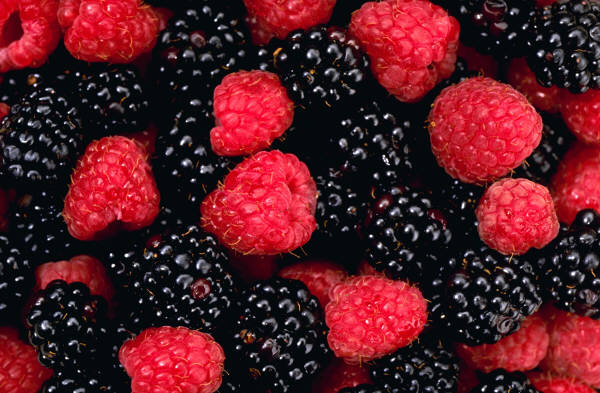
Blueberries, cranberries, blackberries, raspberries and strawberries
Red Delicious and Granny Smith apples
Artichokes, broccoli, kale, carrots, tomatoes, sweet potatoes
Nuts
Tea
Coffee
Chocolate and cocoa powder

From this list you can see that the most beneficial foods to get adequate amounts of antioxidants and fight free radicals are whole foods straight from nature. Fill up on a few of these each day to help keep your body functioning at it’s peak and fight off future disease.

Rachael Roehmholdt is a certified holistic health coach and founder of Be More Healthful. With a passion for good food and living a healthful and balanced life, she believes that small changes to our everyday lives can set us up for a lifetime of health and happiness.

Food Safety Tips by Heather Mangieri, MS, RDN, CSSD

Be Mindful this Weekend by Using Proper Food Safety Habits

Who’s ready to get their grill on? The weekend is just around the corner and thousands of us will be getting together with friends and family and cooking outside. Whether you’re the host of the gathering or you’re headed to a picnic planned by someone else, you’ll want to make sure the food you offer is properly prepared to prevent food-borne illness.  Be mindful of the entire food preparation process; from the grill we use to cook the burgers to the dishtowel we use to dry our hands to the plate we carry raw foods on. To keep you, your friends and the entire family safe, be sure to use proper techniques when preparing, serving and re-handling foods.

•         Keep equipment safe- If you have not cleaned your grill since last year, now is the time. Scrub the grill, outdoor utensils, coolers and other containers with hot soapy water before cooking your favorite summertime foods.

Your cooking equipment also includes your apron & dishtowel. These items can harbor bacteria if you are using them to clean up spills, wipe raw juices or wipe dirty hands. Consider paper towels for drying hands and wipes for cleaning spills.

Lastly, avoid cross-contamination, one of the most common concerns during outdoor grilling season. Keep raw foods and ready-to-eat foods separate. Be sure to use a new plate to place prepared foods. Never brush meats to marinate with the same utensil you brushed raw foods. If you’re headed to a picnic, bring lots of extra plates, utensils, paper towels and make sure there is extra soap and water for keeping hands clean.

•         Prepare food safely- this includes any prep work that is being done in preparation for your picnic or party. Be sure to wash hands before, during and after preparation. Make sure you never partially pre-cook meat or poultry before transporting. If the item must be precooked, cook it until it is done, cool, pack in the cooler and then re-heat as necessary.

Be sure to use a meat thermometer to check that food has been cooked to a proper internal temperature. You can’t rely on color, smell, taste or texture alone to determine if meat is thoroughly cooked. A food thermometer also prevents you from overcooking meat and poultry. Never reuse marinates that have come into contact with raw meats.

•         Keep food safe after cooking- The higher the temperature, the less time foods can remain out of refrigeration. The typical two hour rule does not apply in hot weather (greater than 90 degrees F). Rather, it gets cut to 1-hour. Keep cold foods on ice so that they stay below 40◦ F or hot foods hot (over 140◦ F).

You don’t want to be remembered for the host with the dirty grill, or the person that prepared the burgers that made everyone sick.  For more food safety information visit www.homefoodsafety.org.

Heather Mangieri is a national media spokesperson, registered dietitian and owner of Nutrition CheckUp in Pittsburgh, PA. For more information visit http://www.nutritioncheckup.com. You can follow Heather on Twitter @nutritioncheck and join her facebook community at https://www.facebook.com/NutritionCheckUp

Kids and Water by Maggie Ayre

How to Get Your Kids to Drink More Water

We all know our kids should drink plenty of water right?  After all our bodies are two thirds water, every cell in our body contains water and water is the second largest constituent of our brains. Research has shown that we should all be drinking at least 2 litres of water every day, which is approximately 8 glasses.  Research also tells us that many young people aren’t achieving this.

So, what can we do to encourage young people to drink more water? We must be a good role model and make sure we are drinking water every day ourselves, and secondly, we can work to make water as interesting as possible!

Very young children can refuse water because they prefer the taste of fruit juice and squash.  Limit these sugary drinks to special treats though as they have been closely linked to obesity and tooth decay.  Keep offering your child water, especially at meal times.  If you can help them build the habit of drinking regularly at this age they will find it far easier as they get older.

School age children should always go to school with a water bottle and this is actively encouraged at most schools.  There will be opportunities to drink at break times and lunch time, if your child’s water bottle comes home full every day talk to their teacher.
After school is an ideal time to get your child to eat a healthy snack, such as fruit, and have a glass of water as they are tired and hungry after a busy day.

Make sure you offer your child or teen a drink whenever you have one.  Let them see you regularly having a glass of water rather than a cup of coffee or sugary drink and they are more likely to follow your lead.

Make water more interesting by:
•    Keeping it in the fridge – many young people prefer the taste of ice cold water.
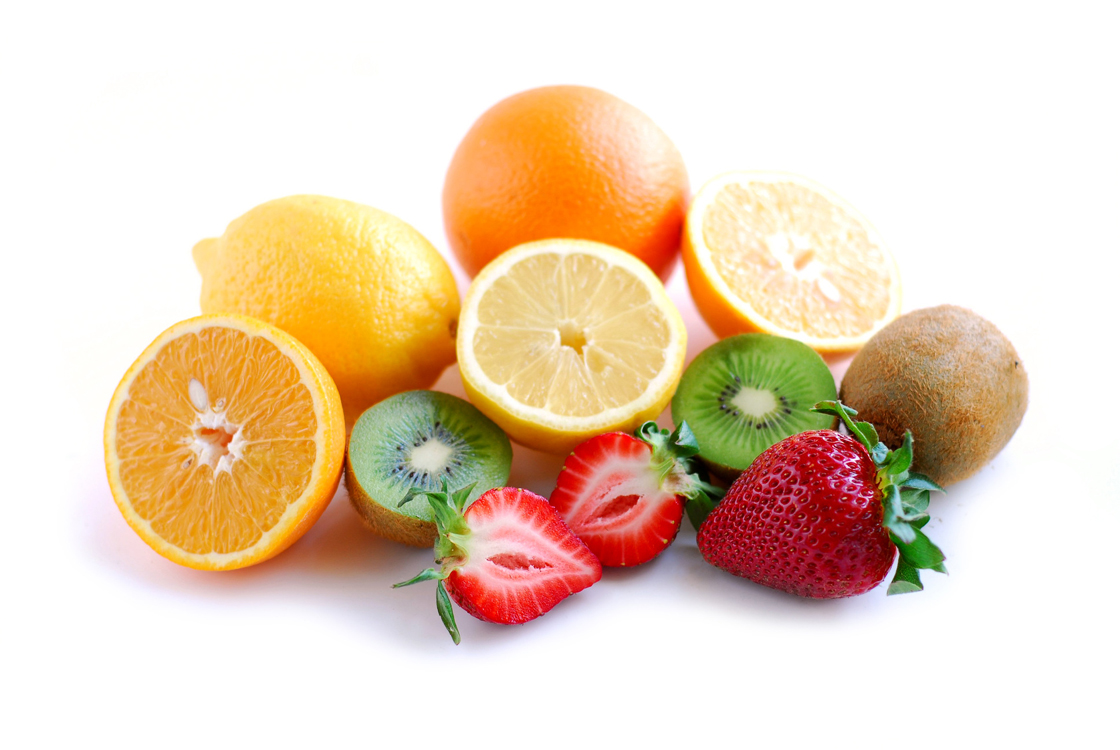
•    Adding fruit such as lemon juice, cucumber, strawberries, kiwi fruit or tangerine segments to a jug of water – if changes the flavour slightly and certainly looks more appealing!
•    Trying herbal teas if it’s a chilly day – you could even make your own hot drink by pouring boiling water over slices of lemon and fresh ginger – delicious.
•    Finding interesting water bottles – roll up bottles are ideal for older kids as they can be rolled up and stored in a pocket or bag when empty – younger kids love a water bottle with their favourite cartoon character or a reminder of a fun day out.

Maggie Ayre is the UKs leading Fitness Coach for Teen Girls. As well as one-to-one and small group nutrition and fitness work with teens she has developed the 3G Program designed to be run at schools as part of the PE curriculum. She also offers mentoring for PE departments on how to re-engage teen girls with PE and has recently published her third book; “Nutrition for Exam Success – A Parent’s Guide” which is now available as a Kindle and paperback at Amazon. For more information, www.maggieayre.com

Weight Loss Do’s and Don’ts by Lori Rosenthal, MS, RD, CDN

Four Infallible Weight Loss Dos & Don’ts

Plan Ahead - In the game of life, when we have a plan we are more successful. So, why would it be any different when it comes to weight loss? Meal planning gives us the opportunity to make healthy choices before life gets in our way (which it often does.) When we are already hungry, our judgment becomes clouded, often leading us to opt for what’s convenient instead of healthy. Planning ahead takes this out of the equation, which allows us to make smarter decisions that won’t leave us feeling guilty and dis-empowered. Need added incentive to plan ahead? Meal planning has also been found to decrease stress and save money.

Be Mindful - Eating mindfully means being aware of why, what and how much we are eating. Begin by asking, “Am I really hungry?” It sounds simple, but it is an effective way to avoid emotional eating, eating out of boredom and grazing (for example, snacking throughout the day.) During meals, focus on the meal. Turn off the TV. Put away your phone. Close the laptop. Studies show that when we take the time to chew, taste and savor our food, we naturally eat less and enjoy more.

Eat Your Calories, Don’t Drink Them - Sugary drinks have been a hot topic over the past year and rightly so. Eating and drinking are two different sensations. Calories from drinks, including fresh juice, add up very quickly, yet do nothing to curb our appetite. By swapping out juice and soda for sugar-free drinks, we can cut out hundreds of unwanted calories. As with eating, we must enjoy what we are drinking for the change to stick. To add flavor, but not calories try infusing water with fruits, vegetables or even ginger.

Don’t Skip Meals– Despite popular belief, we need to eat to lose weight. Skipping meals slows our metabolism, causing our body to hold on tight to every calorie we put in our mouth. This is often referred to as “starvation mode.”  Eating three meals and two to three snacks picks up our metabolism, facilitating weight loss. Meal skipping also leads to poor decision making, fast eating and larger portions. Three weight loss no-nos. If we never skip meals, we never get to the point of “starving,” enabling us to make smarter choices and control our portion sizes.

Lori Rosenthal, MS, RD, CDN
Bariatric Dietitian
Department of Surgery
Montefiore Medical Center
Follow Lori on Twitter via @LoRoRD

Holistic Health Defined by Rachael Roehmholdt

When you think of the term health, what comes to mind? Do you immediately think of what you eat or whether or not you exercise? What about if you’re fulfilled on a deep level each and every day? Or if you have a desire to do something bigger than yourself when you get out of bed every morning?

This is exactly what the holistic health approach takes into account. Holistic health is the idea that your health is not a separate entity from any other area of your life. It takes into account all facets of your life and how they all work in an interconnected fashion to create who you are – in your body, your health, and your life as a whole.

What’s different about a holistic approach to getting healthy is that you can look into each and every area of your life to look for improvements, as opposed to just assuming that eating more fruits and vegetables every day and getting moving will make you healthier.

The basic idea is that your health isn’t just determined by what you eat every day and whether or not you made time to exercise. It also is affected by your job, and whether you enjoy or dread going to it every day. Your relationships are considered and if they support and nourish you or drain you to your very core. Even your spirituality can have an affect on your health. Feeling a sense of being connected to something bigger than yourself or making a difference in the world can change how you interact with the world. All of these things, including the food you eat and the exercise you get each day work together to determine how healthy you are and how you feel on a daily basis.

You can eat all the right things and exercise every day and still be unfulfilled in your career and relationships. Or you could have an amazing life in all other areas than your diet and be healthier than any marathon runner out there. Health is subjective so take a holistic approach and look for areas in your life that can be improved upon – even if it’s not in your diet or exercise routines.

Rachael Roehmholdt is a certified holistic health coach and founder of Be More Healthful. With a passion for good food and living a healthful and balanced life, she believes that small changes to our everyday lives can set us up for a lifetime of health and happiness.

Fiber Facts by Rachael Roehmholdt

What exactly is fiber? Why is fiber important to health? What are sources of fiber?

Fiber consists of the indigestible parts of a plant that we consume when eating most naturally sourced foods. You can find fiber in two forms – soluble and insoluble. Soluble fiber dissolves in water and insoluble fiber doesn’t. Both are important to your colon’s health as fiber helps bulk up stools to make them move easily through the digestive tract.

While there are plenty of fiber supplements on the market, we don’t really need these in order to get fiber into our diet regularly. Many of the whole foods you find at your grocery store already have plenty of fiber and if you’re filling up on these regularly, you won’t have a need for fiber powders or pills. Fiber is found in foods like fruits, vegetables, nuts, seeds, whole grains and beans.

There are plenty of great health benefits to getting more fiber in your diet regularly. One of which is regular bowel movements which indicates that your digestion is functioning properly and smoothly. Next, when you’re getting plenty of fiber, you’re a lot more likely to be maintaining your bowel health, which will help to prevent diarrhea, constipation and hemorrhoids. You can also count on lowered cholesterol levels, reduced blood pressure and inflammation throughout the entire body with adequate fiber in the diet.

Getting plenty of fiber is great for those who deal with maintaining energy throughout the day as well, because with the addition of fiber, any sugar found in a food is broken down and absorbed much more slowly into the blood than if taken without the fiber. This results in even energy levels that last for hours. This is also great news for diabetics and people who are working to prevent diabetes.

Lastly, fiber is essential to achieving and maintaining a healthy weight, because foods with a good amount or fiber taken longer to chew and break down than those with very little fiber. This means that you’ll likely be consuming less, as well as feeling full for longer since the foods will take more time to break down and be absorbed into the body.

Rachael Roehmholdt is a certified holistic health coach and founder of Be More Healthful. With a passion for good food and living a healthful and balanced life, she believes that small changes to our everyday lives can set us up for a lifetime of health and happiness.