June 15, 2026

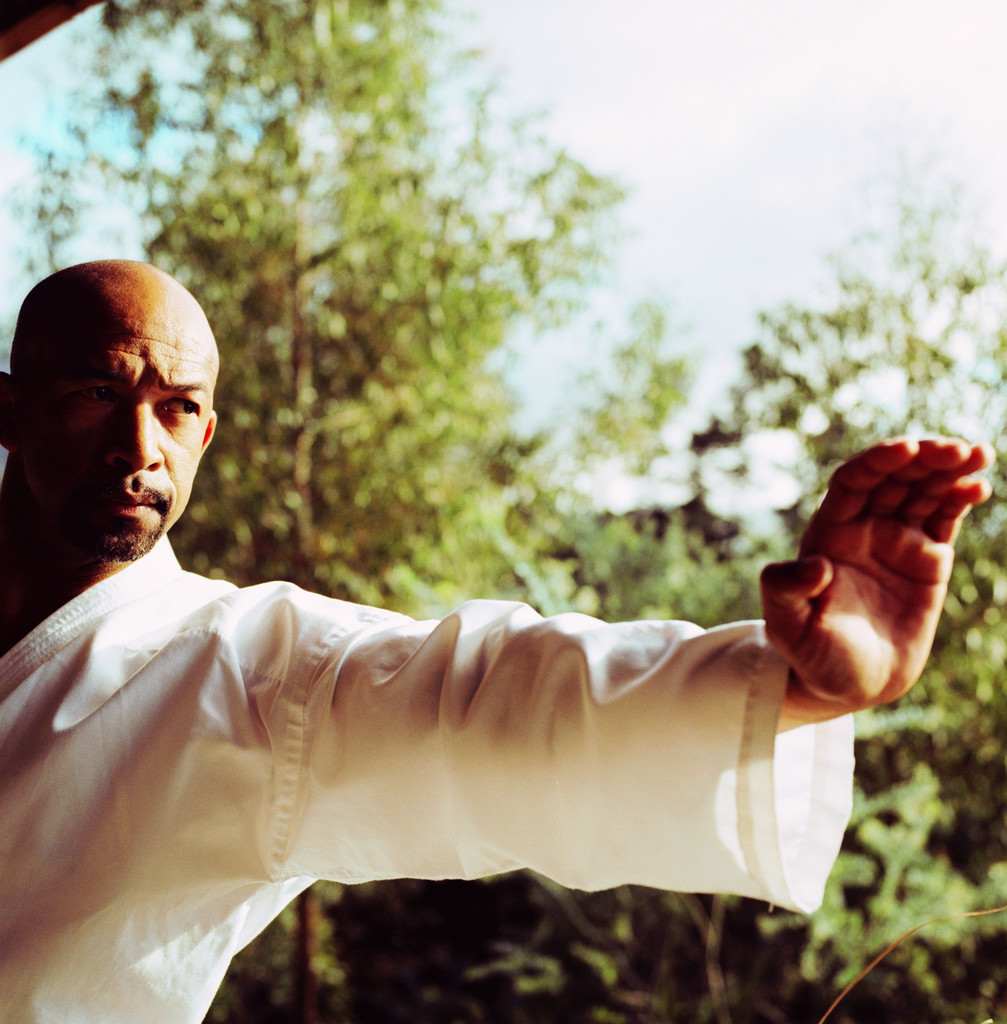
Kids Plus Karate Equals Self-Esteem Boost by Ed Samane

The challenges that today’s youth face come from all directions: 24/7 online connections to social networks, crowded classrooms and increased digital exposure. One of the best ways that parents can prepare a child to meet this growing onslaught is through building self-esteem, confidence and discipline. Martial arts programs specifically target a youth’s mental, emotional and physical development. For centuries, martial arts have been recognized as one of most effective tools for physical self-defense ever created. But today, a generation of youth is finding emotional, mental and psychological self-defense by integrating a character-building focus into the age-old discipline. Here’s what a solid martial arts program can offer your child, as well as everyone in the family:

The unique combination of physical exercise and mental discipline. This unique combination helps children involved in martial arts avoid physical confrontation and make good choices. The self-esteem and confidence gained through martial arts also pays life-long dividends for youth grappling with their own emotional development. Martial arts training is evolving to take on these new social challenges facing 21st century children.

Provides positive reinforcement and praise to all participants. Every child gets to participate in the activity. No one sits on the side lines.

Teaches discipline to set and achieve goals. This is done by the belt ranking system.  Children test every few months and have to learn new material for each belt level. This philosophy is then applied to other areas of life such as school and team sports. Drive, discipline and determination are the three traits to success in anything they undertake. Good choices are a theme in our life skills and education program.

Offers mentoring. Mentoring from the sensi (karate teacher) teaches confidence, instills the discipline to make proper choices, and builds self-esteem.

Martial arts engage youth in a physical, mental and psychological transformation that is invaluable self-defense against the pitfalls encountered on the road to adulthood.

Grandmaster Ed Samane is the founder of Pro Martial Arts, a national martial arts franchise that focuses on character building and life skills training. He has over 30 years experience in various forms of martial arts and has earned a 7th Degree black belt in Tang Soo Do and an 8th degree black belt in Sin Moo Hapkido. To learn more visit: www.promartialarts.com.


Fitness, here’s how to stick with it during the holidays!

Get Others Involved. The easiest way to stick to an exercise program is to include other people in your workouts. Friends, family and colleagues can all act as a system of support and accountability during the holiday season. You are be much more likely to exercise through the holidays and reach your fitness goals if you have friends and family work out with you. You can even make things interesting by making a friendly wager to see who amongst you can lose the most weight by January 5.

Try Something New. Exercise should be fun, so use this time of year to try new outdoor activities. Go ice skating, or take a hike through the woods. Even a snow ball fight can be considered exercise, so get creative and involve your friends!

Schedule Your Workouts. Whatever you do, make physical activity an important part of your weekly schedule. You are much more likely to exercise if your workouts are planned in advance, and written into your calendar. Make exercise an important appointment that you cannot miss!

Keep it Simple. This time of year is full of added pressures like decorating, buying presents, and making family dinners. Keep your exercise program simple so you continue making progress towards your goals.

Plan to Cheat. Temptation is everywhere during the holidays, and you should allow yourself the joy of eating delicious food. Plan your most vigorous activities and workouts on the same days as your major social eating events. This way, you will put all those extra calories to good use!

By Derek Peruo, CSCS, CPT
646-820-8246
bodybydrock.com

Ask a Pro by Brett Klika

Question:  What’s the best way to burn fat fast? And is food labeled “fat free” the best way to eat? –Danielle from Ohio.

Answer: Research has found that high intensity intervals burn the same amount of calories and fat as longer sustained bouts of activity, in about half the time! Try doing a 3 minute extremely hard, 3 minute easy cardiovascular piece for 4 cycles. In 24 minutes you’ll burn more calories than your 45 minute jog. Try to add high intensity work 2-3 times per week.

Natural, whole foods exist to give us energy from their combination of protein, carbohydrate, fat, vitamins, minerals, and other essential components of nutrition. When humans start overly processing what we eat, the quality of that food is significantly decreased. Additionally our body needs various forms of fat to function optimally. Fats from nuts, fish, avocados, and other natural sources are essential to many metabolic functions. Eat real food and listen to your body.

Brett Klika C.S.C.S., Director of Athletics at Fitness Quest 10, is a world renowned human performance specialist, motivational speaker, author, and educator. For a copy of his new e-book and exercise program “The Underground Workout Manual- Exercise and Fat Loss in the Real World” visit www.undergroundworkoutmanual.com.  To contact Brett, send correspondence to brett@fitnessquest10.com

Healthy Family=Healthy Kids by Candi Wingate

With soaring obesity rates, and the health risks associated with kids being overweight, more and more parents are asking how to help their kids get (or stay) fit. Here are some easy tips.

Set a good example. Exercise for at least a half hour three times weekly. Eat right. See your doctor annually for well visits and promptly for examinations when you think you may be unwell.

Ensure that your kids eat a healthy diet. Minimize fast foods and foods that are high in fat, sugar, caffeine, or salt. Offer healthy substitutes for traditional kid favorites. For example, cut a cantaloupe into narrow wedges, remove the rind and seeds, wrap the wedges individually in wax paper, place the wrapped wedges in a freezer bag, and freeze the wedges.  Then, when the kids want a popsicle, give them a frozen cantaloupe wedge . . . sweet, frozen, delicious, and healthy!

Take your kids to a good pediatrician for regularly scheduled well visits. When your kids may be ill and needing medical attention, seek medical intervention promptly. Follow the guidance given by medical professionals. For example, if vitamin and mineral supplements are recommended, find high quality supplements to help your kids grow up healthy and strong.

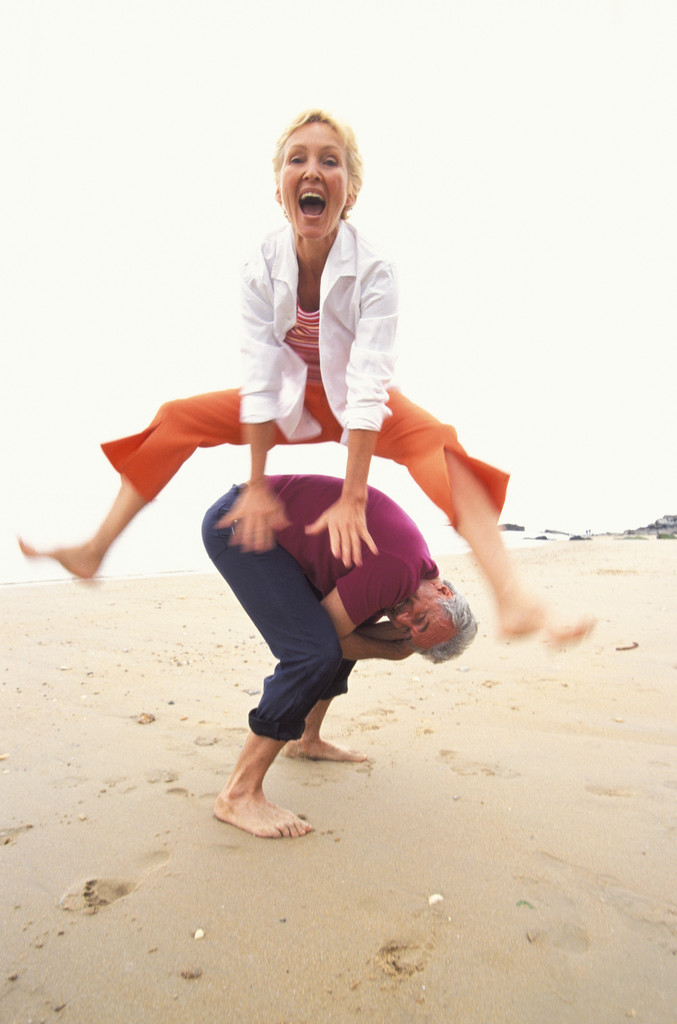
Set aside a specified time each day for your kids to put down the electronic games, turn off the TV and computer, and play outside. Hide and seek, leap frog, Simon says, Red Rover, kickball, tag, jumping rope, and a million other generations-old childhood games involve enjoying activity and fresh air. If electronic games are a must in your household, a Wii is an electronic game that encourages physical activity.

Enroll your kids in youth sports and activities such as YMCA/YWCA, municipal, or school-based programs. Also, your kids may be interested in private dance classes, golf lessons, baton lessons, etc.

Also set aside a specified time each day for family activities. Quality family activities include preparing and sharing healthy meals as a family, taking golf lessons together, or engaging in any other healthy behaviors together.

Let your kids have days in which they get to select the shared activity of the day. If Johnny gets to select an activity on Mondays and Wednesdays, Janie gets to make her selection on Tuesdays and Thursdays, and you (as parents) make your selections on Fridays through Sundays, then everybody will look forward to the days that they get to decide what the family does for a shared activity.

Get your babysitter involved. Have her promote healthy, active behavior in your absence.  Tell her what fun, healthy behaviors your kids are used to (i.e., the kinds of foods and physical recreation that are a part of their routine). Also allow her to be creative:  she may have fun, healthy ideas that are new to you and your family!

Go on nature hikes. Walk the family dog daily. Explore a local park or nature preserve. If you leave near mountains, go snow skiing. If you live near the ocean, go surfing. If you live near a lake, go water skiing. If you live near a lot of caves, take guided tours of your local caves.

Bicycle to points of interest that are near your home. Try bicycles built for two (if you have an even number of family members). Or skate. Or skate board. Or maybe learn to use a unicycle, just for the fun of it. 

Celebrate the kids’ birthdays at water parks, skating rinks, or other areas that promote fun physical activity. Many venues are happy to host and organize kids’ birthday parties and can offer a wide array of fun, healthy, active things to do at parties.  

Take vacations that are physical. For example, go to Disney World, the Black Hills of South Dakota, Yellowstone National Park, the Grand Canyon, or the San Diego Zoo. A lot of walking is involved at these destinations.

Reward good behaviors with “gift certificates” that are redeemable for a fun physical activity.  For example, if one of your kids gets an “A” on a major test in school, give him/her a gift certificate that s/he can redeem for a fun physical activity of his/her choosing (i.e., a one-on-one, parent-child trip to a local water park . . . without “having” to share the time with siblings).

By following these tips, you can feel assured that you are doing your part to ensure that your kids are growing up fit.

Candi Wingate is an expert in the child care industry with over 20 years experience. She is the founder of Nannies4Hire.com and Care4Hire.com, and author of 100 Tips for Nannies & Families and The Nanny Factor: A Parent’s Guide to Finding the Right Nanny for Your Family

Fitness at All Ages by Marc Sickel

Did you know that, according to the National Institute of Health (NIH), only 25 percent of people aged 65-74 say they engage in regular physical activity?
 
Adults should exercise at every age, even if they have not exercised in the past. The benefits of physical activity accumulate over a lifetime so it is important that those who have exercised in their younger years keep that exercise momentum.
 
You’re never too old to increase your level of physical activity and exercise! Any exercise that gets the heart pumping may reduce the risk of dementia and slow the condition’s progression once it starts, reports a Mayo Clinic study published in October 2011 in Mayo Clinic Proceedings. Regular exercise is beneficial for people of all ages. Exercise helps to improve muscle and joint flexibility and keeps your heart healthy. It also can improve sleep and helps to maintain a healthy weight.
 
Here how to start:
 
Include your grandchildren in your new active lifestyle. Play catch or walk to the playground and push your grandkids on the swings.

Have a pet? Taking your four-legged companion on a brisk walk is a fun way to increase your heart rate and improve circulation.

Listen to your favorite song and dance for a few minutes! Be careful that your “dance floor” is clear of objects and that you have adequate room to “boogie.”

Get Outdoors. As the leaves begin to fall, increase cardiovascular endurance by raking leaves.  The raking motion will strengthen your arms and lifting the bags of leaves provides weight training.

Break it up. Instead of working out for 30-minutes, try breaking fitness activities into three 10-minute “mini workouts” throughout the day.  Begin your new exercise program slowly with moderate exercise and work your way up to more vigorous and challenging activities.


Marc Sickel, a certified athletic trainer and founder of Fitness for Health located in Rockville, MD, specializes in creating fun, individualized fitness programs for children and adults with varying needs and skill levels. To learn more about Fitness for Health, visit www.FitnessForHealth.org.

The Benefits of Diversified Training

Any form of repetition can cause someone to burn out. This remains true for running, biking, swimming, or any form of exercise. It can be easy for someone to get caught in a repetitious pattern, as many people are drawn to activities that are convenient. Running can be especially repetitive, you need to figure out how to switch up the routine to keep yourself interested and excited. You may have a scenic three mile loop right outside your front door, it easy to maintain your running schedule, so you run it all the time. Or, maybe you hate to run outdoors and you own a treadmill that you run on for an hour each day.
So, listen up runners, I’m speaking to you: Do you automatically roll out of bed, lace up the shoes and head out for the obligatory three-mile loop or jump on the treadmill? Are you still as enamored with it as the first time you ran it? I bet not. Has your running routine become a chore or a necessary evil?  You have the power to get out of your repetitious rut and mix up the run. As a runner, not only should you try new locations, but you should also try new surfaces and incorporate new techniques.  Better yet, throw in some cross-training as well to switch up your techniques. I know, you are a runner, so you just run. Why would you take a spin class, hot yoga, or strength train at a gym?  This goes back to the old saying: variety is the spice of life. Varying your fitness routine is essential to become a well-rounded runner. 

Here are four reasons why you should diversify your training and how to add a little ginger to your jog.
 

Achieve Results. Even if you are just looking to maintain your current fitness level, you can’t do it with the same old routine. Your body becomes efficient at your chosen exercise routine when it is repeated over and over. Your muscle memory decreases the amount of effort necessary and expended, thus decreasing your calorie burn. So, in this case, doing the same thing over and over again eventually will not have the same result! You must switch up the training by adding something new and cranking up the intensity. Go a little farther or a little faster on your run, or do both. Make one of your runs a tempo run.  Add-in some intervals or hill repeats. Pick one run a week and make that run longer, building by no more than 10% from week to week.  By adding any one or all three of these tips to your running routine, you will achieve new and improved results.
 

Muscle Activation. Running on different surfaces, or cycling, or even working out on the elliptical machine at your gym will activate a variety of new and different muscles. If your body is use to running on the treadmill, increase the incline or take a run through your local park. If you are a trail runner, try mountain biking. When you start to vary your terrain, add inclines and descents, cross-train, or even run in different shoes you increase your strength and activate muscles you may not be currently using. For example, swimming is a great full body workout with impact.  Believe it or not, upper body and core strength are important for a runner and swimming is a good way to help you achieve an all over strength gain. You can also incorporate strength or resistance training into your daily routine. This will make you stronger, fatigue less quickly and become more toned. After a strength training session, your body burns a lot of calories and needs additional energy to repair the muscle tissue just broken down, therefore, you will increase your metabolism. 
 

Fight Boredom – Stay Motivated. This step doesn’t require much explanation. Doing the same fitness routine over and over can get mighty tedious.  Diversifying your training will increase overall fitness level and will motivated you to run as well.
 

Reduce Chance of Injury. Running can lead to over-use injuries because of the repetitive nature of the sport and the impact of activity level on leg muscles and joints. Instead of engaging in running  multiple times during the week, hop on a bike or hit the pool. You’ll still get the aerobic workout, but you will be employing new muscles with less impact.

By Laura Ouimet, Dana Point Chamber of Commerce Executive Director, and a marathon/ triathlon coach and trainer. To learn more about the Dana Point Turkey Trot and to sign up, visit www.turkeytrot.com.

More Tricks, Fewer Treats…here’s how to do it!

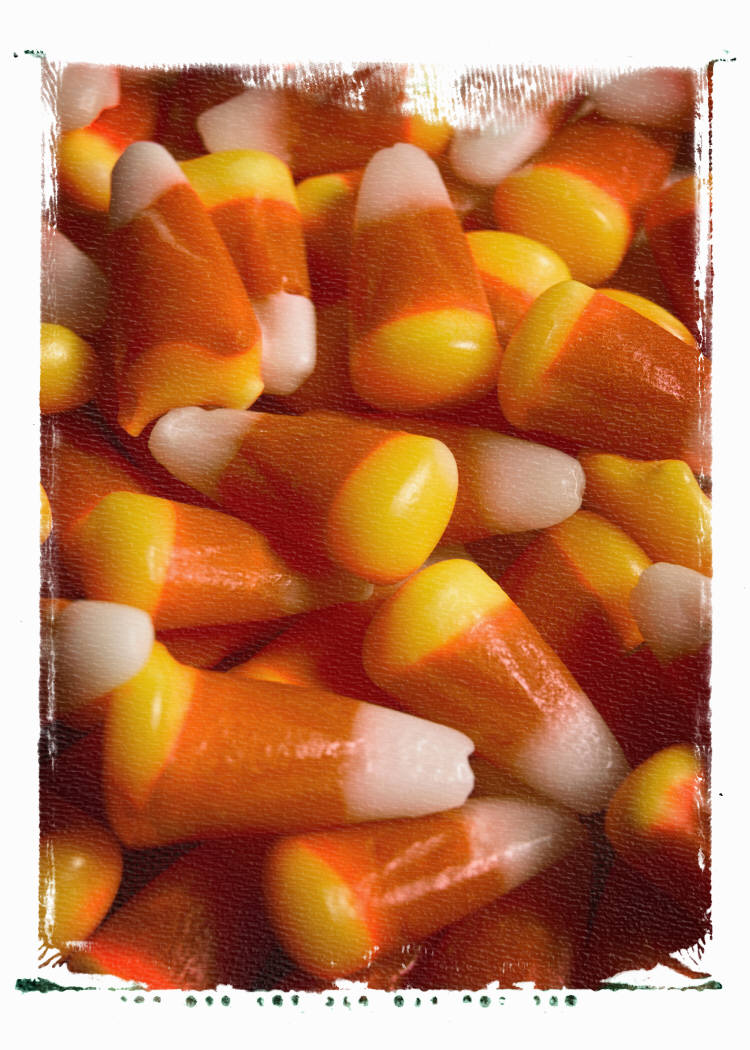
Terrified by the start of the holiday binge season? Spooked by warnings about high fructose corn syrup and peanut allergies? Haunted by documentaries of the chocolate industry’s dark side?  Relax, Halloween can be plenty of fun without plenty of candy.  Here’s a few tricks that can help you beat the temptations around you or at least result in less guilt….

Break the Spell
• Instead of bags of cheap chocolates, bring home visually appealing sweets that aren’t quite so tempting for binges — sour or chewy candies, packaged fruit and nut treats.
• Search cookbooks and the Internet for fun, bite-sized, holiday-themed treats like peeled grape eyeballs, carrot fingers, yogurt strawberry ghosts, caramel apples and pumpkin pancakes. Look for recipes with less sugar or salt, and use healthy substitutes where possible.
• Talk with coworkers about ways to limit candy and other treats being brought to the office.
• When you do enjoy a treat, take time to really pay attention and savor it. This can reduce mindless snacking.

The Little Goblins
• Start the conversation a couple of days before trick-or-treating. Go in with a strategy on the rules about how many pieces of candy will be eaten each day, and make sure they have some input.
• Have them eat a meal prior to heading out and keep them hydrated, we turn to the candy more when we’re thirsty.
• When the bags come home, let the kids enjoy some reward. But then, help them sort through and decide what they really want to keep.
• Get rid of the candy that doesn’t matter to them, so it’s not sitting there to be used for mindless eating.

Keep your Halloween, safe, fun and healthy! 

By Chanda Fetter
www.imxsb.net
IM=X Pilates Studio, Owner
IM=X Pilates Master Trainer
ACE, NASM, TRX, SPIN, IMX
NAWBO Board Member

Make Family Fitness a Reality by Maggie Ayre

The latest research suggests that exercise is hugely beneficial for kids of all ages. In addition to health benefits we also see active children sleeping better, participating more and concentrating easier in class, as well as enjoying the benefits of additional self-confidence and raised self-esteem. Young people who lead active lives are likely to have more friends and enjoy a better body-image and body-awareness. They are likely to feel happier and more fulfilled and feel better able to cope with what life throws at them. Try the following approach for successfully instilling healthy habits:

Open Discussion. The best way to talk to your child about living healthily is to find a quiet relaxed time, perhaps out on a walk, and bring it slowly into the conversation. Ask your child what they know about living healthily and what it means to them. Ask your child how exercise makes them feel and if they have any particular activities they enjoy. Suggest ways you can incorporate these activities in their life and make suggestions for other activities based on what they particularly enjoy. Keep things relevant to the benefits they can experience now such as drinking more water for a better complexion, eating fruit and vegetables to feel better. Try not to concentrate on future health benefits as these have little relevance to children who want results now.

Family Time. One of the best ways to start being active as a family is through computer games such as the wii fit. Start slowly and keep it fun. Once your children are used to being active as a family, suggest bicycle rides to the park, walks that include a picnic, trips to the beach or swimming pool etc. You can be active around your house by having a race to see who can tidy their bedroom the quickest, or who can get dressed/un-dressed quickest, or by getting one member of the family to set a treasure hunt or obstacle course for the rest of the family to follow.

Prepare Healthful Snacks. As children get older it becomes harder to ensure their healthy food choices especially as you’re no longer with them all the time. The best way to ensure they eat healthily is to talk to them regularly about the benefits of eating healthy foods and why other foods may not be the best choice – healthy eating will ensure they have more energy, less mood swings, less illness, sleep better etc. This has to be backed up by being a good role model and ensuring that you enjoy a healthy diet too. Most teenagers will still look to their parent’s example before following what their friends and peers are doing. For many children the biggest time for slip-ups is coming home from school when a trip to the convenience store is just too tempting – help your child by ensuring they have a healthy snack in their bag to eat on their way home or let them know there will be something tasty waiting for them when they arrive home.

Maggie Ayre
Fitness Coach for Teenage Girls
www.maggieayre.com. www.seabreezefitness.co.uk
 
Maggie is also the author of the 3G Program for Teenage Girls, www.femalefitnessrevolution.com

To Lose Fat, do this not that! By Brett Klika C.S.C.S

For adults, losing body fat is a matter of forcing the body to get rid of something that it perceives as necessary for survival. For thousands of years, man was err to the cycle of feast and famine with food consumption. Sometimes there was plenty of food, other times there was none.  Storing body fat helped man stay alive when there was no food because the stored fat could be broken down and used as energy. Only recently have we been faced with a situation in which we have an over-abundance of food. The body still thinks it needs to save up for when there is another famine.
To replace old, ineffective methods for fat loss with an updated, scientifically proven program try the “Do this, don’t do that” approach to your exercise outlined below. 
 
Do This:  Intense Resistance training
Not That:  Cardio only
To burn more calories and fat, you need more lean muscle. Resistance training is how you get it.  Lean muscle works like a car’s engine to use fat as fuel. If you have a small engine, it doesn’t matter how hard you do cardiovascular exercise, you can only burn so many calories. Doing whole-body, large muscle group resistance training creates a bigger lean muscle engine to burn calories and fat both while exercising and resting. Add 2-4 days of resistance training to your program every week.

Do This: Whole-Body Metabolic Resistance Training
Not That:  Body-Part Splits (chest, shoulders, triceps, etc)
Body part splits became popular with bodybuilders as they allow for focus on certain muscle groups, in addition to ample recovery days in between training. For the average adult trying to lose maximal body fat in minimal time, this program comes up short. In comes Metabolic Resistance Training. Pair your exercises with opposite movements together into supersets.

Do This:  Focus your time on large muscle groups
Not That:  Focus your time on abs, arms, and other smaller muscle groups
When time and fat burning efficiency is of the essence, these smaller muscle groups do relatively little to stoke the metabolism to create more lean muscle mass or burn fat and calories. 
Focus your work on the legs, chest, and back with movements that incorporate the entire body like squats, lunges dead lifts, push variations (push-ups, bench press), pull variations (pull-ups, 1-arm rows).  As you will see, these exercises are much more taxing to the system and do a lot more for your fat-burning goals.

Brett Klika C.S.C.S., Director of Athletics at Fitness Quest 10, is a world renowned human performance specialist, motivational speaker, author, and educator. In his 14 year career, Brett has accrued more than 20,000 hours of training with youth, athletes, executives, and every day people.  He uses this knowledge and experience to motivate individuals and audiences around the world through his writing, speaking, DVD’s, and personal correspondence.  For a copy of his new e-book and exercise program “The Underground Workout Manual- Exercise and Fat Loss in the Real World” visit www.undergroundworkoutmanual.com.  To contact Brett, send correspondence to brett@fitnessquest10.com.

Make the Commitment: a 5k/10k Race on Your Horizon

Signing up to run a 5K (or even a 10K) run is the perfect way to kick-start a fitness routine and/or shed those unwanted pounds. For many beginning runners, the initial training routine can seem daunting. However, there are a few tips to follow that will not only make training manageable, but also fun. 
Many beginning runners chose to enter the race world by participating in a recreational run. By beginning with a structured and realistic training routine, you will begin to create a healthy and active lifestyle for yourself that you can carry through the holiday season and into the New Year.
Here’s a list of five essential tips to get you hitting the pavement and ready for the starting line, healthy and injury free.  
Sign up for the race. I know, I know, you don’t want to sign up until you know how you are going to feel or what your plans might be or if you will even want to run, but don’t wait! Without making the commitment to yourself and registering for the race, it is too easy to give up if the going gets tough or procrastinate until it’s too late. There is no time like the present; sign up before you lace up! It will be the motivation you need to complete your goal.
Set a realistic goal. It doesn’t matter how fast or slow you are to anyone but you. Set three goals per race: your big goal, your moderate goal and your minimum goal. The big goal is the time that may not possible to attain, but the one you’re aiming for. The moderate goal is a time you know will require an all-out effort to achieve, but it can be done. The minimum goal is the time that you must hit.  For example, if my average pace is 8:30 on a typical training day, my 5K big goal may be 23 minutes (sub 7:30 pace), my moderate goal may be 24 minutes(sub 7:45 pace), and my minimum goal may be 25 minutes (about an 8:00 minute mile pace).   
Create your program. 5K and 10K training plans are available online and can be obtained through a Professional Fitness Trainer, or located in fitness or running magazines. There are many training plans to choose from, so the trick is to find one that is simple, easy to understand and works for your lifestyle.  The basic training premise should be at least three days of running per week, with additional days of strength and/or cross training.  Once you have your program, write it on a calendar and stick to it!  Training is a matter of commitment. If you are committed, you will achieve your goal. Be committed! 
Get the proper running shoes.  Go to a specialty running store and have your feet and gait analyzed. Treat your feet right and they’ll protect the rest of your body. Running in the wrong shoes or worn out shoes could lead to injury and won’t bring you to the start line, let alone the finish line.
Start running!  Your training program should include at least one day of speed work, a day of moderate to easy running, and a day with a long run. Rest is important as you train and you have to let your body heal after each of your workouts. To keep your focus and motivation, make sure to mix it up. Don’t run the same route every time, download a new podcast or album, or try some fartleks (speed plays). 

By Laura Ouimet, Dana Point Chamber of Commerce Executive Director, and a marathon/ triathlon coach and trainer. To learn more about the Dana Point Turkey Trot and to sign up, visit www.turkeytrot.com.