June 5, 2026

New School Year, New Activity by Maggie Ayre

School semesters have built-in cycles, why not apply that to exercise as well? September and the start of the new school year is a new opportunity for taking positive action on fitness, healthy eating and general good health. It’s also an ideal opportunity for your child (and all family members) to try something new! With the wealth of afterschool clubs and outside school activities in every town, there’s plenty from which to choose.

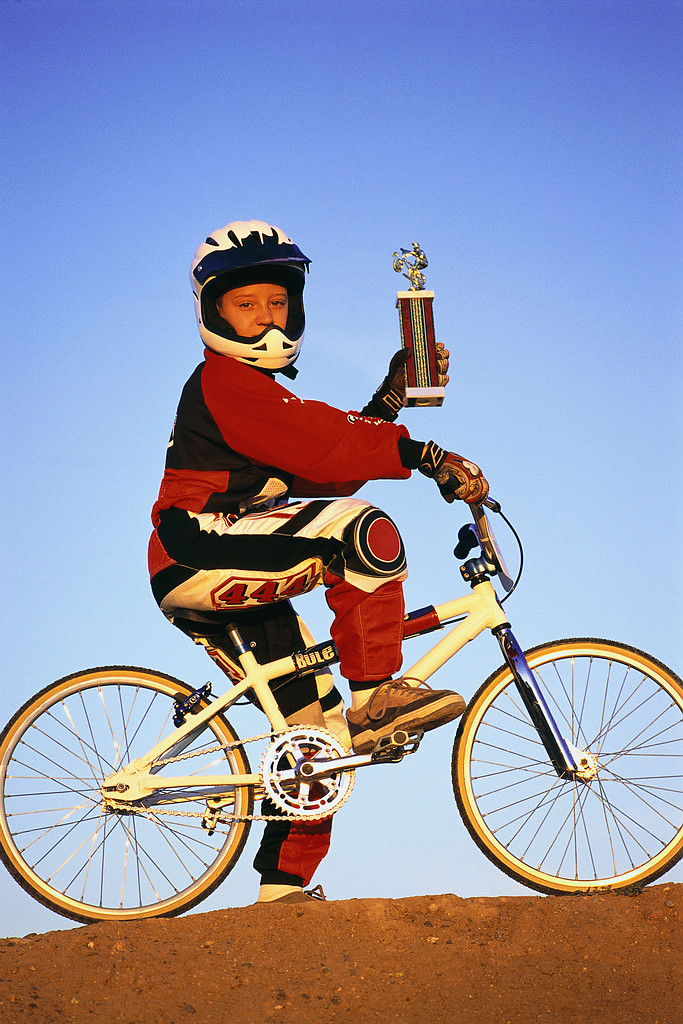
The Olympics this summer have enthralled young and old alike with many having the chance to watch and learn about sports they had never seen, or even heard of before. Handball, BMX racing, diving, sailing, judo, rowing and basketball clubs are full to overflowing with young people wanting to “have a go.” With multi-sports, athletics and other just for fun clubs like dodgeball proving just as popular.

Don’t miss out on this unique opportunity to encourage your children and teens to be active. There are so many different activities to choose from you’re sure to find one that appeals to them.

The great aspect is that next term it will be January and they’ll have the opportunity to renew and try yet a different activity. Will they keep going with existing activities or try something completely different again in 2013? Learning new skills and coordination that’s required with unaccustomed sports, meeting new friends, gaining a new coach mentor and being challenged by competition are all benefits to trying new activities. The days of playing the same old sports day in, day out, week in, week out are over.

This new school year help your children to discover the wealth of activities available to them and allow them to try a new activity each semester. You may have the next Olympic mountain biker or synchronised swimmer in the making.

Maggie Ayre is the UKs leading Fitness Coach for Teens. As well as one-to-one and small group nutrition and fitness work with teens (both online and face-to-face) she has developed the 3G Program designed to be run at schools as part of the PE curriculum. She also offers mentoring for PE departments on how to re-engage teen girls with PE and has recently published her third book; “Nutrition for Exam Success – A Parent’s Guide” which is now available as a Kindle and paperback at Amazon. She can be reached via www.maggieayre.com, www.nutritionplansforteens.com, www.femalefitnessrevolution.com


Why Sleep Matters by Chanda Fetter

So much to do, who has time to sleep? Sleep is one of the essential necessities to a healthy, productive life.  Just as it’s important not to cut too many calories when trying to lose weight, you’re not to skimp on sleep either and here’s why…..

How we learn and retain information. Sleep helps the brain commit new information to memory through a process called memory consolidation. In studies, people who’d slept after learning a task did better on tests later.

Metabolism and potential weight gain. Chronic sleep deprivation may cause weight gain by affecting the way our bodies process and store carbohydrates, and by altering levels of hormones that affect our appetite.

Keeping you safe. Sleep debt contributes to a greater tendency to fall asleep during the daytime decreasing productivity. Fatigue increases the risk of falling during our daily activity causing injury. On a larger scale, sleep deprivation can lead to road accidents.

Nobody likes a grump. Sleep loss may result in irritability, impatience, inability to concentrate, and moodiness. Too little sleep can also leave you too tired to do the things you like to do.

Cardiovascular health. Serious sleep disorders have been linked to hypertension, increased stress hormone levels, and irregular heartbeat.

Fight off illness and disease. Sleep deprivation alters immune function, including the activity of the body’s killer cells. Keeping up with sleep may also help fight cancer.

Our bodies were meant to have a 16 hour wake cycle which puts us at an 8 hour sleep cycle. Studies have shown that some individuals can get enough REM sleep in a 6 hour sleep cycle, the test is really in how you manage on the sleep you get. If you don’t suffer through bouts of drowsiness and sleepiness during the day then you can likely manage less sleep, however, anything less than 6 hours is just not enough. Some individuals need as much as 10 hours and contrary to common myth you don’t need less sleep as you age, however the ability to sleep for 6-8 hours at a time may be reduced.

Chanda Fetter
IMX Pilates Studio, Owner
www.imxsb.net

Is Stress Eating You or Are You Eating your Stress? By Tammy Beasley

STRESS – just the word can make your heart beat faster, blood pressure rise, and mood turn irritable. And stress can make you turn to food too, to feel better. It’s true that stress burns more energy (calories), especially the type of energy that supplies a chemical called serotonin.  This chemical helps relax and calm you, and carbohydrates start the process. This calming effect can be produced by a handful of whole-wheat crackers or fresh fruit, but often a handful of cookies is more appealing.

What can you do to STOP stress-induced eating?

Declare your desk, computer, television, loud music and any other distractions off limits until AFTER you eat something.

Plan ahead by keeping an ‘emergency snack pack’ available. Avoid higher sugar, simple carbohydrate foods as much as possible, which can actually increase your appetite even more.

Choose a combination of whole grains and lean protein such as a mozzarella cheese stick and whole-wheat crackers, or peanut butter and apple slices. If those aren’t convenient, prepare ahead by having your own trail mix of whole-wheat cereal squares mixed with slivered almonds and raisins handy.

No matter what, slow down and give yourself a 10-minute break to fuel your brain with healthy, lasting fuel to relax those stress hormones and boost your energy. And if emotions take over and you dive into a plate of brownies, clear your head by sitting down first, then slow down and savor each bite. Diffuse the quick rush and fall from simple sugars by adding protein, like a cold glass of low fat milk. Most importantly, get right back on track and don’t let guilt cloud your way. Remember it is what you do more often than not that makes a difference.

Tammy Beasley, RD, CSSD, LD, CEDRD
Rev It Up for Life
www.revitup4life.com

Wrinkles, Wrinkles and More Wrinkles by Gia Marie

Are you looking in the mirror these days saying to yourself  “wrinkles, wrinkles and more wrinkles?” You’re not alone! Unfortunately we can’t turn back time, however there are ways to prevent wrinkles and improve the health of your skin.

We have three layers of skin:
1) The outer layer of the skin is called the Epidermis and this is what everyone can see and touch. This is the protective layer.
2) The middle layer of the skin is called the Dermis, “True Skin” this layer is made of fibers called Elastin and Collagen that act as a foundation in the building blocks of the skin.
3) The innermost layer of the skin is called Subcutaneous which contains a layer of fat that gives the skin a plump appearance.

A wrinkle in the skin is known as a fold, ridge or crease in the skin. As we age the Dermis starts to lose both Elastin (the fibers that maintains the skin’s elasticity) and Collagen (which form the structural network of the skin.) The skin becomes thinner which causes slackening of the skin, and the fat in the Subcutaneous layer starts to disappear leading to more noticeable sagging and the appearance of wrinkles on the skin.

There are many factors in the causes of wrinkle. These are the most common:
• Sun Exposure
• Poor Diet
• Rapid Weight Loss
• Smoking
• Heredity

Remedy for Wrinkles and Lines:
There is nothing we can do to stop the aging process. Eventually we either have to accept our skin changes or choose to do something about the look of having wrinkles. Here are some recommended procedures to smooth out the look of wrinkles:

Chemical Peel. A chemical peel solution is applied to wrinkled lined areas causing dead skin to slough off and regenerate new smooth skin.
Soft Tissue Fillers. Collagen, Hyaluronic acid or even your own fat distributed into deep face wrinkles to plump up and fill in the area wrinkle.
Face Lift. This procedure involves the removal of facial skin with or without the tightening of underlying tissues.

There are also new crazes such a “Face Yoga” and many at home remedies that have been discussed throughout the social networks, but be advised to always consult a Licensed Professional before starting any procedure or topical treatment.

Gia Marie, founder of Gia Skin Care, may be reached through her website www.giaskincare.com. Follow Gia on her blog, http://giaskincare.blogspot.com .Gia may also be contacted via Twitter @Giaskincare, facebook fan page   https://www.facebook.com/pages/Gia-Skincare/137308882985074 and Google+ <http://goo.gl/B1ynW>


Why YOU should be using the Foam Roller by Charlene Ragsdale

If you are an athlete – you most likely will suffer from aches and pains at some point. It’s a mixed blessing. Sore muscles are proof that you are getting stronger, but on the other hand, it can cause a great deal of uncomfortable stiffness which can affect your sleep, work and daily lives. As an endurance runner, I learned of the benefits of foam rolling, early on my career. Foam Rolling is now a part of my daily plan and I recommend it to my coaching clients.

What is a foam roller? A long, hard Styrofoam or rubber-like tube. You will notice many use it at the gym or at an athletic event.

Why foam roll?
Helps prevent common injuries. One of the most important reasons for a regular foam-rolling routine is to prevent those too common exercise-related injuries. Foam rolling every day ensures you are massaging away buildup in your muscles.
Keeps you flexible & limber. Building up your flexibility is key for any athletic and fitness routine. Stretching and massaging your muscles can help combat tightness experienced from sitting after exercise for example.  

Things NOT to do with Foam Rolling
Never roll on the bone, only the muscles. This is particularly true with the shin area.  Roll off to the side of the shin bone, not right on the shin. Rolling is for muslces, tissues and ligaments, not for bones.
Never roll after icing.  Always roll PRE-icing.  Never roll on icey-cold muscles, but you can roll after a massage or heating pad. 

Rolling can be a wonderful part of your day, whether its a workout day or a rest-day.  It helps eliminate the kinks and knots in your back/neck, after exercise and also after a long day sitting at your desk.  As an athlete – rolling is essential, not a luxury.

Charlene Ragsdale is a RRCA Certified Running Coach, IFA Certified Sports Nutritionist and member of the USATF Master’s All-American Team. She can often be seen at on the podium as a frequent Age Division & Overall Winner in several distances. She lives with her Chef husband, two sons and two dogs in Las Vegas, NV. You can follow her at her blog:  www.RunningWithCharlene.com


Use Reiki’s Healing Principles for Everyday Peace by Marty Fabianova

How to stay calm and productive when there is ‘too much, too fast’ going on in your life? Mikao Usui, who re-discovered Reiki, brought these “life guide” principles back to the world as part of the Reiki healing principles. Explore how they can help you manage daily stress better.
 

Just for today I will not be angry.

It is hard not to be angry when for instance someone, who barely knows you, casts a fast judgement about you. But you know what? How people act is their responsibility. How you respond to their action is your choice. Try not to take anything personally and remember that letting go of anger frees one’s mind.
 

Just for today I will not worry.

While anger deals with past events, worry deals with future ones. Either way, we won’t be present to what is happening in our life NOW, if we allow anger or worry to take over. Let’s try not to worry about things we cannot change, and let’s try to substitute worrying for action where we do have the power to change something. Action speaks louder than words or thoughts.


Just for today I will show love and respect to every living thing.

Every living being has its purpose in life and deserves to be respected.  Honour your parents, your teachers and everyone who comes into your life. Even if the encounter is not pleasant, remember that we learn the most from the hardest lessons.
 

Just for today I will live by the attitude of gratitude.

Even though it might seem like there are no positives in your life right now, try to start your day with listing things for which you are thankful. Your health, family and friends, steady income, roof above your head, food… Or anything else you can think of that not everybody has and people might tend to take for granted. Simple things like thanks, forgiveness, smiles, good words, and gratitude calms the mind and brings more positive things into your life.
 

Just for today I will do my work honestly.

Try to do everything you do, to the best of your ability. It has been proved that, for instance, food cooked with love has much higher nutritional properties than food cooked absent-mindedly or with negative emotions. Let’s bring some love to everything we do and watch for the results!
 

This article is written by Marty Fabianova. Marty works as Reiki and Bowen Technique Practitioner in Stoke Newington, London. She is passionate about helping people to tap into the wellness of their body and mind in a natural way. Contact her at www.thebowenway.co.uk or via marty.fabianova@hotmail.co.uk. You can also connect on Facebook via her page The Bowen way – Help your body to help itself or on Twitter @MartyFabianova.


Back to School with Less Stress by Juli Shulem

Teaching your child efficient and effective study habits allows for less stress, for all family members!

Students of all ages can improve their study habits for better scholastic success. Consistency creates habit. Here are some tips to increase the chances of your student in dealing better with homework, exams, and school stress:

Set up a regular routine for doing homework. When your child arrives home they are most likely in need of a break  and perhaps a snack, so let that be the first thing they do. However, this shouldn’t go on for longer than 15-20 minutes.

Establish a place/desk-space where they can do their work easily. Some children do better in the kitchen with things going on, while others prefer complete silence. Test different spots until the best one is determined, as their room may not be where they concentrate best.

Secure the tools they will need to do their work. Determine what kind of paper, writing tools, calculators, etc. are necessary. Additionally, help them become organized by having a consistent location for their completed homework to go inside their backpack immediately when completed. Doing so will make sure their assignments are returned to class on time.

Finish homework early. Encourage your child to get their homework done before dinner (when possible) so they can relax the rest of the evening before bedtime. Many children try to bargain for “gaming time” before they complete their work only to not have enough time to finish what is due. Teach them responsibility by doing the higher priority tasks first.

Use a timer to aid in sustaining focus for those who find that difficult. Set a timer for 30 minutes to work, ending with a short break before resuming once again. If your child does best powering through their work without a break – great! If that kind of sustained focus is difficult, or your child has AD/HD, then the timed-focus sessions will really help.

Teach your child to schedule exams and projects well in advance. If a student has a paper due in two weeks, starting it the night before is a recipe for failure  and stress. Show your child how to break a large assignment into small steps and to do step daily. Write these mini-steps on the calender and hold them to their commitment.

Giving praise and encouragement plus listening to your child’s concerns about their strengths and weaknesses is necessary as a parent. However, note: not everyone is good at everything. Your child may need a tutor or more time in a subject to understand it. Listen to them, then empower them to learn effective and efficient study habits.

Juli Shulem, CPC, is an ADHD Coach specializing in students with ADHD and related challenges. She can be reached at jshulem@gmail.com or (805) 964-2389.


Cardio Basics for Beginners by Mary Miriani

“Cardio” is an accepted nickname for cardiovascular or aerobic exercise. This type of exercise works the lungs and heart muscle to increase its efficiency obtaining and pumping oxygen and nutrient carrying blood around the body. Obviously, the better the heart and lungs work, the more healthy you will be, so it is very worthwhile to start a cardio exercise program even if you are not trying to lose weight.
 
Many people are not patient enough to go about starting aerobic (cardio) exercise correctly and often quit soon due to injury or exhaustion without achieving any real results. My first word of advice is to be patient, and proceed slowly. There are 4 things to consider when starting cardio known to fitness professionals as the FITT principle (Frequency, Intensity, Type, and Time). Simply put, that means choose something you like to do (Type) several times a week (Frequency) for a particular amount of minutes (Time) at a certain effort (Intensity.) It is important to increase only one of these things at a time as you continue your cardio program to keep you safe.  
 
Type:
The type of exercise you choose is entirely up to you, but to be considered cardio, it must keep your heart rate elevated for a minimum of 10 minutes. Do not choose an activity you don’t enjoy simply just because it burns more calories. You will end up quitting. There are many appropriate exercises such as walking, biking, hiking, dancing, running, rowing, and kickboxing. At first choose one thing, but as you get going, feel free to add as many as you like. Variety will keep you exercising for life. The types of exercises you choose should also be based on your ablility. Just as a baby doesn’t start walking before crawling, do not start running before you can walk. Also, it is important to consult your doctor before embarking on an exercise program to rule out any possible medical issues, especially if you are over 40 and have health risks such as smoking or family history of heart disease.
 
Frequency and Time:
Beginning exercisers should start with no more than 20 minutes of cardio 3 times a week at a moderate pace. Build slowly and appropriately toward the standard recommendation of 150 minutes of cardiovascular exercise per week (30 minutes, 5 times a week.) If you have done nothing for a long time, it’s important to allow your body sufficient time to adapt to exercise. When what you are doing feels easy, that is the time to add more times per week or more minutes per session.  Add frequency and time slowly. It will keep you injury free.
 
Intensity:
One of the most misunderstood concepts of fitness is intensity. Somehow people think they either have to work so hard that they can hardly breathe, or be able to have a full-on conversations to exercise safely. The truth lies somewhere in the middle. Many people use heart rate to guide their intensity. It is a good method, but can also be confusing. Subtract your age from 220, then multiply that number by .80 and .60 to give you a range. For example, if you are 40 years old, you would want to stay inside a heart rate range of 144 and 108 beats per minute (220-40=180;180x.80=144 and 180x.60=108.) Heart rate range is only an estimate and does not necessarily mean you are at the right intensity to achieve your goals. A simple way to gauge this, in addition to using appropriate heart rate guidelines, is called the “talk test.” Simply, can you say a phrase or two, but not have an easy conversation? If so, that is probably a good intensity. As it feels easier to talk, that is a sign that you can increase your intensity. 
 
Now that you know the basics of beginner cardio, it is time to get off the couch and get started. 

By Mary Miriani; BA Exercise Science; ACSM Health Fitness Specialist
Reality Fitness, Inc. Naperville, IL

Want Results? Hire a Professional! By Brett Klika

Do you work with a Fitness Trainer? According to the Health Club Consumer Report released in 2011 by the International Health, Racket and Sportclub Association (IHRSA), about 6.3 million American’s do.

Utilizing a Professional Personal Trainer has gone from a novel status symbol to a safe, efficient, effective, and surprisingly economical way to reach one’s fitness goals. Once upon a time, daily exercise was the result of merely surviving. Now, physical activity has to be a conscious decision. 

Fitness Professionals function not only oversee your decision to exercise, but provide a variety of exercise and movement options so you are able to enjoy the process of arriving at your goals!

Here are 5 benefits to utilizing a Professional Fitness Trainer:

Becoming Familiar with Exercise Options Available

As our lives have become more automated, our daily demand for physical activity has plummeted. Daily tasks no longer require us to climb hills, carry heavy things, or chase our food to eat it. We have had to contrive movements and technology in an attempt to replicate these ancient demands.

The movements, machines, and methodologies of the exercise world can be overwhelming. Learning how your body works from a Fitness Professional, rather than simply memorizing a machine or exercise, sets you up for a lifetime of great health.

A Fitness Professional can familiarize you with the various techniques, exercise options, and technology available to achieve your exercise goals.

Safety

As mentioned, the modern day exercise landscape is not innate to us. Learning the movements and technology is much like learning a martial art. There are proper, effective techniques as well as improper, injurious techniques. 

If one creates an improper demand on the body, our body responds by eventually breaking down.  A degreed, certified, experienced Fitness Professional educates and supervises correct execution and programming of exercises. Every exercise you perform is done for a purpose, this means no time wasted! Professional Fitness Trainers have studied for years to research the best and most effective exercise program for you, your goals and your current abilities.

Accountability

The biggest road block to success in an exercise program is program attrition. Creating exercise is often a arduous process, so it is easy to quit. However, if you are paying a professional to oversee your program, quitting or not showing up is not an option!

Variety

Unless one constantly researches and learns new methodologies and techniques, exercise can become monotonous and boring. Fitness Professionals stay current on the most recent research and trends in exercise. This allows them to introduce you to new concepts in order to keep things interesting, as well as to keep your results coming.

Economic Efficiency

Average 1-on-1 personal training sessions are generally between $50-$80 per hour.  Group (2-5) personal training elicits the same benefits and can be done for anywhere from $15-$30 per hour. Let’s say you utilize group personal training 2 times per week at a $30 rate. That’s $240/month. 

Compare that to the cost of fad diets, gym memberships you don’t use, exercise gimmicks, and un-ending frustration. That’s not even to mention health care costs associated with injury or being sedentary or lost wages due to time off from work.

These are only 5 benefits out of a list of thousands. Exercise is not something that just happens any more. We have to learn how to do it properly, appropriately and effectively. Degreed, credentialed and experienced Fitness Professionals are here to educate, motivate, and inspire!

Brett Klika C.S.C.S., Director of Athletics at Fitness Quest 10, is a world- renowned human performance specialist, motivational speaker, author, and educator. He uses this knowledge and experience to motivate individuals and audiences around the world through his writing, speaking, DVD’s, and personal correspondence. For more information and video on exercises, programs, and any other information on losing fat and creating the body you have always wanted, check out The Underground Workout Manual – Exercise and Fat Loss in the Real World at www.undergroundworkoutmanual.com.

Marathon: The Insider Scoop Written by Kristie Cranford

This article is sponsored by ELANVEDA. Sore muscles?
http://elanveda.com/essential-oils/muscle-and-joint.php.  ELANVEDA Muscle & Joint Relief, a blend of essential oils created to relieve joint discomfort & muscle soreness, is a must for every fitness enthusiast and athlete. Perfect for anyone who has joint or muscle pain due to an injury, fatigue or exercise. Enter HYWON1 to redeem your 10% discount through 9/15/12. ELANVEDA provides best-of-breed alternative medicine for everyday ailments, formulated using organic, wide-crafted and ALL NATURAL herbs and essential oils. ELANVEDA is partnered with Dr. Marc Halpern and the California College of Ayurveda to offer high quality products assuring the best formulas are used. Discover all their products, www.elanveda.com. Email via info@elanveda.com or call them directly, 310.570.9535. There is help for sore and achy muscles, ELANVEDA is your all-natural solution!


Marathon: The Insider Scoop Written by Kristie Cranford
 

A marathon is not only a physical feat, but a mental one. The best way to have a great race is not just to train, but to prepare.


Train within your ability. There are a numerous training plans available.  Find one that fits you.  Don’t be afraid to consult with a Coach.  No matter your ability, it never hurts to have a professional help you along the way.

Train at race time. Plan your long runs the same time and same day of the week as your race. Your body has a memory and will learn to run the distance at that time.

Experiment. Try energy gels, sports drinks, try it all. Get it down to a science and find out what works for you.  Train with what sports drink and energy gels will be provided at the aid stations on the race course. If while experimenting you find they do not work for you, plan a way to carry your own.

Train for the course. If it is a hilly course, don’t do all your training on flat surfaces. Even better if you can train on the actual race course. 

18 Mile training runs will drive you batty. Ask anyone. 17 miles, 19 miles, even 22 miles, no problem.  18 will drive you bonkers.  Just accept it, tackle it and run 18.1 if you have to.

Have a dress rehearsal. On a training run wear what you plan to wear in the race, fuel and hydrate like you plan to race day. If something isn’t right, you’ll have time to make changes before race day.

You will go crazy. There will be a time when your training tapers down that you will experience what has been called: Taper Madness, Taper Crazies, or Taper Tantrums.  Whatever you call it, all your nervous pent up energy will make you a little looney and edgy to say the least. Having a good friend to talk to will really help during this time. 

Carb load does not equal a car load of food. While experimenting, you should have figured out your best meal for the night before a long run.  Eat what you know is tried and true the night before the race. You do not want to be searching for a porta potty on the race course like a heat seeking missile.

It’s code. Call it superstition, or an unwritten rule, NEVER wear the race shirt in the race.

Relax. Race day you know what to do. You’ve trained, experimented, prepared. So relax and enjoy the marathon. When you’ve finished put on that race shirt, slap a 26.2 sticker on your car, and wear your medal with pride. You ARE a marathoner.

This article is written by Kristie Cranford, CPT. A wife, mother, cancer survivor and competitive athlete, Kristie is an ACE Certified Personal Trainer as well as a Running/Triathlon Coach for PRSFit Nation. Living in Las Vegas, she is the Chair of Long Distance Running for USATF-Nevada Association, Coolibar sponsored athlete, and Raw Elements Sunscreen Ambassador. Contact information:
Email: CoachKristieLV@yahoo.com, www.prsfit.com, http://coachkristie.com