June 5, 2026

5 Stretches to Transition from Work-Time to Relaxation-Time

Perform these easy stretches to relieve work-day stress and ease your body (and mind) into relaxation of evening-time. The following stretches are for those without injury. Please consult your physician before beginning this or any exercise program.

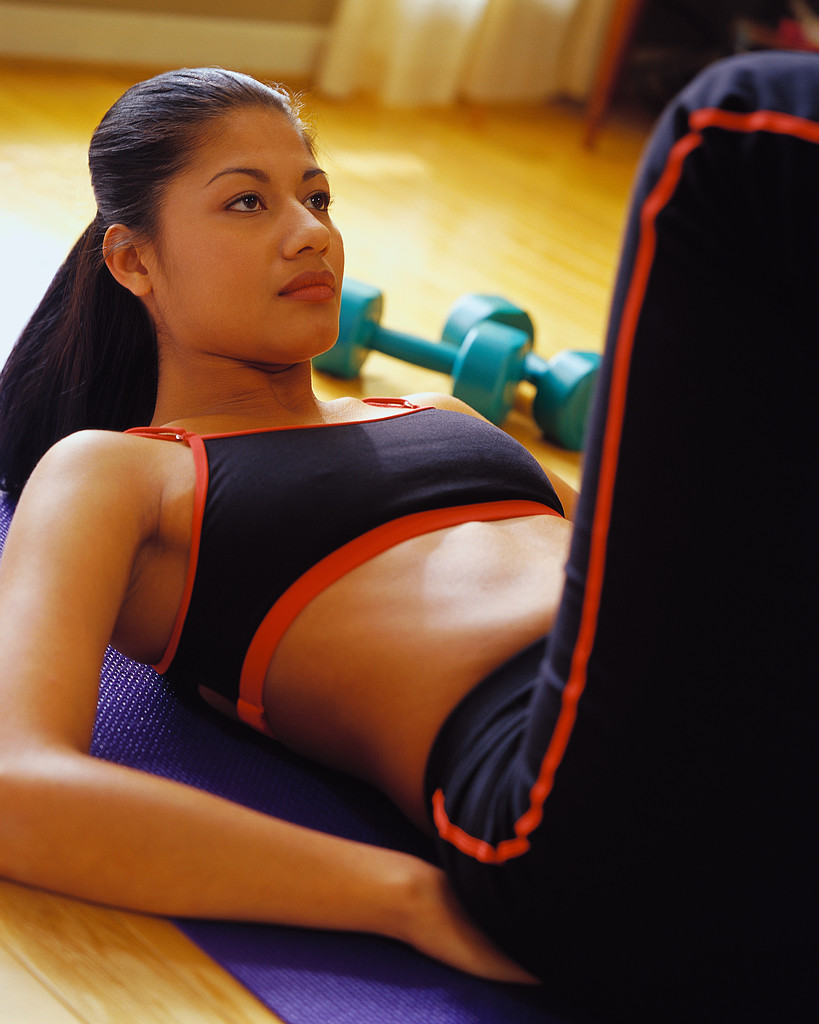
Single Knee to Chest Stretch. Lie on your back. Inhale; Extend both legs straight on the floor. Exhale; Pull your right knee in toward your chest. Inhale;Release your right leg. Exhale; Pull your left knee into your chest. Release your left knee back to the floor. 

Hamstring Stretch. Lie on your back. Inhale; Extend your right leg straight up, perpendicular to the floor. Exhale; Hold ten to twenty seconds. Change leg position; extend your left leg straight up, perpendicular to the floor and hold.

Figure 4 Stretch. Lie on your back. Inhale; Cross your right ankle onto your left thigh, pull both legs off the floor and in toward your chest. Exhale; Hold ten to twenty seconds. Change leg position; place your left ankle on your right thigh, pull both legs in toward your chest.

Cat-back Stretch. Begin on your hands and knees on the floor. Inhale; Round your back up. Exhale; Arch your back.

Standing lunge stretch. Standing, inhale and step your right foot back about three feet. Keep both feet flat on the floor and pointing forward. Exhale; Bend your left knee and hold ten seconds. Change leg positions; step back with your left foot back about three feet, keeping both feet flat and pointing forward, bend your right knee and hold ten seconds.


Why Pilates Works by Chanda Fetter

Pilates was created as a way to address injured soldiers in WWI. It was a means to keep the integrity and strength of the muscle while recovering from battle wounds. Yes, it was designed originally for men and as a sense of rehab and ultimately preventative care. Since in America, Pilates has taken on all different forms, but the foundation has always been  a common thread; people function better as a result of training in the Pilates method.

Corrects Muscular Imbalances. Through conscious repetition and attention to detail, any function can be re-learned. When the body is traumatized by an injury or accident its protective mechanism is to “shut down” the injured area. The only problem is the body doesn’t naturally “turn on” that same area once it’s better. Whatever compensation the body has done to work around the injured area is now the new norm of that junction. Over time, this uneven recruitment of muscle tissue creates asymmetries (mismatched sides, imbalances). These asymmetries lead to improper wear and tear on the joints and spine, ultimately causing improper GAIT (how we transfer weight through the body), stress on hips, back and spine.

Repairs and improves Muscle Recruitment Patterns. Once you’ve worked to correct your muscular imbalances the body will naturally grab hold of these learned behaviors and the neurological relationship between brain and body will be repaired. After all your body wants to behave properly, we just need to be conscience in our movements while this process is taking place, then ultimately it will do it on it’s own.

Functional Adaptation. Pilates has many parallels to functional movement patterns. For instance, when working any weight over our heads we teach the clients to draw down into their middle back muscles (Lattisimus Dorsi) as opposed to taking that weight directly into the neck and shoulders. This is functional to life, all movements should translate as such to all activities of daily living.

Everybody can do it. Pilates is based out of a rehabilitative principle and has adapted to the general population over the years to be one of the most safe and effective forms of exercise. It allows you to maximize the potential of each muscle group without compromising the spine or joints. It promotes core strength, balance, flexibility in a way that helps you understand the limits and potential of your body.

By Chanda Fetter
IM=X Pilates Studio, Owner

Staying Healthy On the Road by Tanya Memme

I’ve been traveling and living out of suitcases for the past 12 years as the Host of A&E’s TV Series “Sell This House Extreme.” 

12 years ago before all of this happened, I was a workout junkie, had a membership at Equinox Fitness Club in Santa Monica, loved my Tae-Bo classes Sherman Oaks, ate very healthy and overall had a pretty consistent healthy schedule.

From the very first episode, my crazy life on the road began. Suitcase, flight, hotel and car rental information in hand off I went and I’ve never looked back. It was a HUGE adjustment mentally, physically and spiritually. Never thinking I would ever have a problem keeping up my exercise and eating program, trip by trip, episode after episode, the pounds accumulated. 25 pounds later, I tried using the hotel gym, local yoga classes, jogging in various cities, I’d bring exercise videos, exercise bands, skipping ropes etc…but with the show growing in popularity and with early call times and long shoot days I became exhausted and totally defeated. I’d beat myself up for not being able to exercise consistently and eat right. Surrounded by restaurant food in small remote town where a green vegetable is unheard of!

This past year, I’ve had a busier travel schedule than ever, and became a new mom. I don’t always get to the gym consistently but I found a way to fit right back in to my pre-pregnancy pants and stay healthy. 

Whole Foods has become my tag team companion in staying healthy on the road and since healthy restaurants and organic food is more readily available it makes everything much easier. Every time I land in a new city and before I check in to the hotel, I make a stop at a grocery store. This way I can buy healthy snacks and lots of water so I don’t get tempted by the mini bar in the hotel room.  Always ask for a mini fridge in the room so you can store perishable items. Its worth the extra charge to stay healthy. 

When it comes to exercise, I do what I can and have stopped beating myself up when I’ve worked a 14 hour day and am just too exhausted and have to choose between sleep and exercise.  I work out when I can, as often as I can and always make sure I’m having fun and enjoying it. I recently started taking dance classes with my 67 year old mother too. It might sound crazy but I’m getting stronger, having a blast and laughing my way to getting back in shape. 

A friend also introduced me to online personal trainers. Now THIS IS AMAZING!  No matter where you are or what time zone you’re in, you can have a personal training session via Skype! We use things in my hotel room and customize it to what I have access to and what time I have available. We have fun, and he motivated me to stay on top of my working out when the last thing I want to do is workout. 

Eating right more than anything will keep you healthy and lean and proper exercise keeps you strong. Do your best, give yourself a break, have trust in your best and let it all go! Find that AMAZING YOU and enjoy traveling, enjoy life and enjoy staying healthy along the way. 

Tanya Memme is the Producer/Co-Host of the Emmy nominated, A&E’s Sell This House and Sell This House Extreme.  She is a new mom, pet lover, travel enthusiastic & lifestyle expert.  www.TanyaMemme.com

Does your Lifestyle Need a Makeover? By Heidi Henry

Need more joy in your life? If you’re feeling sluggish and unmotivated, it’s time to look at your current lifestyle.  Overcome lack of energy and motivation by asking yourself five key questions and then of course, making simple changes:

Are you drinking alcohol? STOP!  Don’t put a known “depressant” into your body?

What foods are you putting into your body? Are you eating and drinking processed, chemical-laden foods? Read your labels! Stick with whole foods and you’ll feel a boost in energy instantly.

Are you surrounding yourself with individuals that love and appreciate you?  If not, it’s time to make new friends. Join a club, join a gym, volunteer. Find like-minded people and you’ll find support.

Are you doing what you enjoy? Making time for what you enjoy is essential. Don’t know what you enjoy? Try new things. Set a goal to try a new hobby once a month.

Are you exercising? Do it! You say it’s hard?  Yes, however it’s always worth it. Living active clears your mind and is an excellent confidence-booster.  And yes, it gets easier over time. Move your body as often as possible.

You can’t continue to live the life you’re leading and expect a different outcome. Embrace change! 

Follow Heidi’s blog via http://www.BananaBuzzbomb.com where she focuses on running, training for triathlons, living a vegan lifestyle, all the while proving that YOU make the decision to lead the life you want to lead. Heidi can also be found on Twitter http://www.twitter.com/BananaBuzzbomb, Facebook http://www.facebook.com/bananabuzzbomb, and YouTube http://www.youtube.com/bananabuzzbomb

Know-how’s of Kinesiology Tape by Dr. Casey Ferguson DC

Kinesiology Tape: How a Simple Piece of Tape Can Take Your Training and Performance to the Next Level

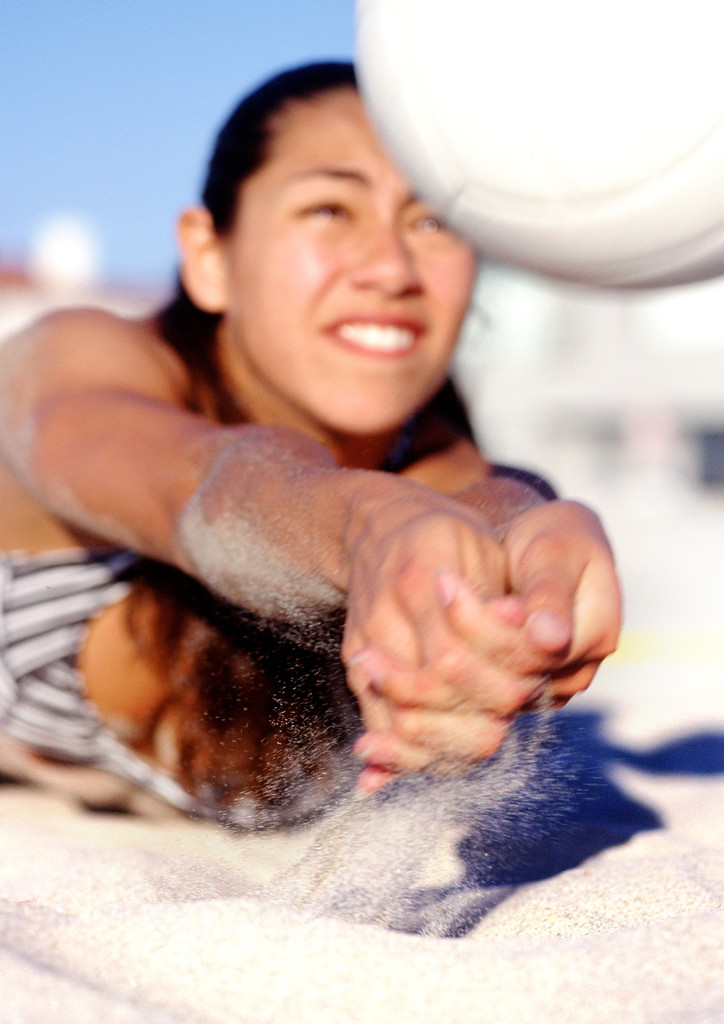
Many of you have seen the strange strips of tape on the shoulders and legs of Olympic athletes, especially the highly visible shoulders of the women’s beach volleyball team.

How does athletic taping work and what can it do?

Not all kinesiology tape is created equal, and you get what you pay for. Tape with the most stretch, better adhesive qualities and without skin reactions are the qualities that are the most desirable.

Kinesiology tape can be applied for decompressing, rather than compressing and restricting blood flow to an injured area, which when properly applied will promote blood flow, thus aiding in reducing swelling and pain. It does this is when the proper tension is placed on the tape which will stretch up to 180% of its relaxed length. The gentle retraction of the elastic qualities of the tape lifts the skin, relieves pressure of the underlying capillary beds and thus promotes blood and lymph flow. This can be used to reduce swelling in an injured tissue, or conversely, help prevent injury by reducing fatigue and cramping. Following an injury it can be applied to compress and restrict motion, thus reducing the range of motion of the areas it is applied to and aid in injury recovery.

The skin is full of stretch receptors (nerves) which give information about the body’s position to the brain. This information can be manipulated with proper application of the tape to relieve joint, ligament, and tendon tension ultimately reducing pain and correcting improper motion at the affected joints/tissues.

Kinesiology tape is made for competition, and is engineered to meet the high demands of endurance athletes like runners, swimmers, cyclists, as well as the weekend warriors. Quality brands are waterproof and will remain on the skin for up to 5 days even if after swimming, showering or sweating.

Dr. Casey Ferguson DC, at Conservative Pain Solutions in Eugene Oregon http://www.conservativepainsolutions.com, is skilled in the application and usage of kinesiology tape. Dr. Ferguson is a certified Rocktape Roc Doc www.rocktape.com, and provides care at racing and sporting events.

Family Hiking Tips! Written by Suzi Smart

This article is brought to you by Polka Dot Pond Shop. Skincare is a priority for all family members! Protect your skin with paraben-free, phthalate-free and DEET-free outdoor skincare. The Polka Dot Pond Shop carries Environmental Working Group recommended sunscreen to protect yourself and your children from harmful UV rays during your outdoor activities. Also find a diverse selection of DEET-free alternative bug repellents including citronella-based, pine-based and nut based versions. Safe skincare is a must as you are enjoying outdoor activities with your family this summer. Check out all of the non-toxic options at a well-established and trusted online store https://www.polkadotpond.ca/Storefront/main_pages/browseProd_cat.php?mcid=12


Family Hiking Tips! Written by Suzi Smart

Hiking as a family is a great way to enjoy an active lifestyle, explore the natural environment and reconnect with each other. Young or old, winter or summer, hiking can be enjoyed around the world. Preparing for success on the trail helps ensure that everyone enjoys themselves to the fullest.

Here are Five Tips for Hiking with Kids:

Pick suitable trails. Make sure the distance, terrain and elevation gain is achievable for your little hiker – it’s better to do a slightly easier hike than one that makes the experience unhappy. Choose trails that are interesting – while adults can often be lured down the trail by the destination, for children it’s all about the journey. Choose trails with changing scenery and lots of things to see and do.

Slow the pace. Let the youngest hiker set the pace, family hiking is about enjoying time together as a family not about getting a workout. Make sure there’s time built in for exploring along the trail, climbing the boulders and tossing stones into the stream. Bring a field guide and learn about the animals and plants along the way.

Go with friends. Whether you go with one other family or an entire group, your child will enjoy running along the trail with a friend or two. In addition, with the relaxed pace, it’s a great time to chat and connect with friends or make new ones.

Pick your time. Pick a high energy time for your child, making sure that there’s enough time to complete the hike before any usual nap or quiet time. Some trails may require a little more consideration – some are brutal in the midday, summer sun while a waterfall on another may catch the morning sun.

Pack snacks and water. Pack some favourite snacks or a picnic and stop for a break along the way. It’s particularly important to make sure that everyone stays hydrated along the trail – ensure that you pack enough water for everyone.

In the end, the goal is to have fun, enjoy the experience and create a love of hiking that will last a lifetime. If something’s not working, reassess the situation and try a new approach. There’s nothing better than hearing “let’s go hiking up a mountain” in response to asking your child what they want to do. Happy trails.

Advisory: Always remember there are inherent risks when hiking, always use caution and assess trails and conditions carefully.

This article is written by Suzi Smart. Suzi is a stay-at-home mom raising a spirited three-year old boy, a wife, an outdoor enthusiast, graphic designer, writer and photographer. She writes The Big Picture – Inspiring families to find happiness outdoors and can be reached at TheBigPictureCalgary@gmail.com or @BigPictureYYC on Twitter.


Golden Days of Summer Smoothie by Jessica Matthews

Let the Olympic athletes inspire your fitness, and your food! Enjoy this golden-shake to fuel your body and your mind. What better way to enjoy basking in the warm summer sun than with a cool smoothie in hand that’s both nutritious and delicious! Inspired by beautiful golden sunsets and incredible athletes striving for the gold, this simple smoothie is the perfect sweet treat.  Fuel your body with nutrition to reach your own personal best. Enjoy before any outdoor activity or adventure this summer or use as a post-workout snack.

What you’ll need-

6oz non-fat honey greek yogurt
1/2 banana
1 ripe mango
1/2 cup pineapple
1/8 cup coconut water
1/4 tsp cinnamon

Simply combine all ingredients in a blender, blend until smooth and enjoy!
 

Jessica Matthews, MS, E-RYT, is an exercise physiologist, yoga teacher, group fitness instructor, personal trainer, adjunct professor, blogger and fitness personality. Jessica strives to open minds, ignite passion and inspire the world to health and fitness through purposeful movement, quality nutrition and kind words. She has been featured as a fitness expert on CNN and has been quoted in numerous publications including Shape, Self, Oxygen and Oprah.com. For more health and fitness information, follow Jessica at www.twitter.com/fitexpertjess.

Re-Evaluate your Running by Matt Fitzgerald

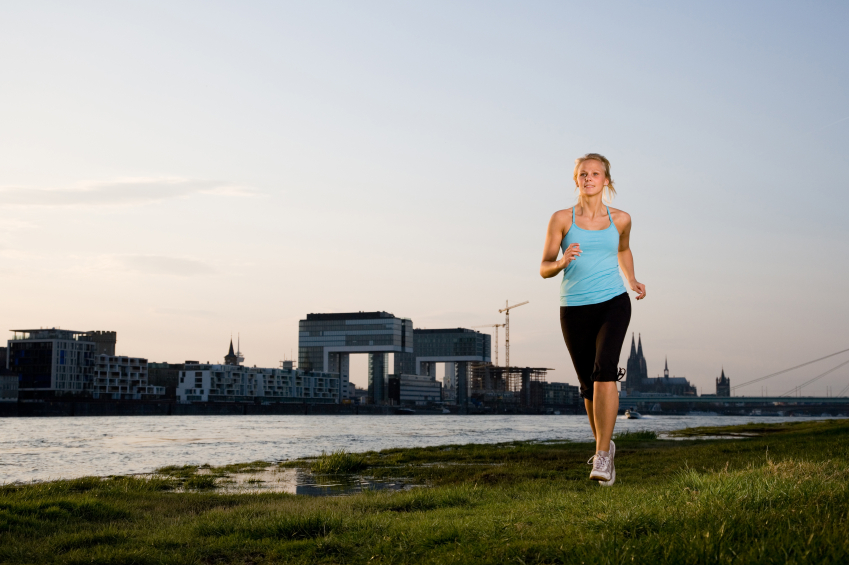
Running is a rewarding sport and a great way to get fit, but proper progression is essential to long-term sustainable running. Because of its high-impact nature, running can lead to a more overuse injuries than non-impact forms of exercise such as swimming and bicycling.

Re-evaluate your running often to prevent aches and pains. Here are five specific measures critical for long-term sustainable running:

Ease into it. Experienced runners are more resistant to injuries than beginners because their legs have adapted to the repetitive impact of running by becoming more durable. But getting to that point is tricky, because running initially breaks down bone, muscle, and connective tissue before rebuilding it stronger than before. This is when the risk of injury is greatest. 

To minimize this risk you need to give your legs time to rebuild between runs. When you start a new running program you should run every other day at the most. As you progress, heed the 10 percent rule: Don’t increase your mileage or the distance of your longest run by more than 10 percent from week to week.

Listen to your body. Most of the overuse injuries that force runners to miss weeks of training start off as mild aches and pains. If you react to these warning signs quickly by ceasing to run immediately and taking a day or two off, you’ll prevent small problems from becoming big ones.

Strength train. Research has shown that weightlifting and other forms of strength training reduce injury risk in runners by increasing stability in key joints (especially the knees and hips.) Perform functional strength workouts that focus on the core, glutes, hips and legs two or three days a week.

Fix your form. Some of the most common running injuries are connected to abnormalities in an individual runner’s stride. If you do become injured, visit a physical therapist with lots of experience with runners to identify the flaw that contributed to your problem, as well as outline a progam to correct it. Trying to change your stride on your own may do more harm than good. However, one exception is the little trick of trying to make less sound when your feet land. This will force you to run with less impact force and may reduce your injury risk.

Matt Fitzgerald is the author of RUN: The Mind-Body Method of Running by Feel. He is also a Training Intelligence Specialist for PEAR Sports.

Commercials without a Break by Hope Epton

Exercise has long been linked to reducing the risk of chronic conditions. So if it’s so good for us, why do people simply not have the time to workout? It’s more likely that it is not a priority, because 30 minutes a day doesn’t seem too much to dedicate to your overall health.


So where do you find the time? Simple. If you watch one hour of television, you have on average 20 minutes to workout during commercial breaks. While it’s recommended by the American College of Sports Medicine (ACSM) that you perform at least 150 minutes of moderate-intensity exercise each week, this is certainly a good start.


The average television commercial is 30 seconds long, sometimes it can be a minute, and rarely longer. Having this in mind, you can perform a different exercise for each commercial, or a series of exercises throughout one commercial break.


Here is an example of a Commercial Break-Out. On average, there are about 4-5 commercial breaks in an hour of programming, so each round can be done per break, and repeated if there is time.


This sample workout requires no additional equipment: (Please consult your physician before beginning this or any exercise program.)


Round 1:

Plank for 30 seconds, 10 Pushups, 10 Mountain Climbers, and 10 Burpees


Round 2:

Plank for 30 seconds, Crunch time: 10 Regular, 10 Bicycle, and 10 Reverse Crunches


Round 3:

Plank for 30 seconds, 10 Front Lunges, 10 Squats, and 10 Reverse Lunges


Round 4:

Plank for 30 seconds, 10 Flutterkicks, 10 Vertical Leg Crunches, and 10 Heel Touches


Round 5:

Plank for 30 seconds, 10 Dips, 10 Back Extensions, and 10 Table Tops


Want more of a cardio challenge? Add 10 jumping jacks or jog in place for 30 seconds between each round.


If you have a stability ball, watch your favorite program sitting on the ball instead of the couch. You will burn extra calories and strengthen your core. If you have dumbbells or resistance bands you can incorporate an array of additional exercises into your regime.

Make your health a priority while enjoying your favorite television programs.

This article is written by Hope Epton. ACSM Certified Health Fitness Specialist. Follow Hope on her blog at http://SportyMom.me. Or via her facebook page http://facebook.com/SportyMomme, twitter, http://twitter.com/SportyMomme or pinterest, http://pinterest.com/SportyMomme


Summer Salad Recipes by Kathy Smart

Baby Spinach and Strawberry Salad
(4 Servings)

Ingredients:
1 teaspoon olive oil
4 tablespoons slivered almonds or pecans
3 tablespoons of olive oil
2 tablespoon of balsamic vinegar
4 cups of washed baby spinach
1 cup of sliced strawberries
4 tablespoons of crumbled goat feta cheese

Recipe Accolades:
Simple and Quick
Diabetic Friendly
Low Glycemic
Gluten and Wheat Free
No Added Refined Sugar
Vegetarian
High in Iron

Directions:
Toast slivered almonds with 1 teaspoon of olive oil over medium heat until brown. Set aside.
In a small bowl, add vinegar and whisk in olive oil until emulsified. Divide baby spinach between 4 plates. Top each plate with sliced strawberries, and garnish with crumbled feta cheese and toasted almonds. Drizzle with vinaigrette just before serving. 
 

High Protein Quinoa Salad
(4 Servings)

Ingredients:
1 cup quinoa, rinsed
1 ½ cups of cold water
 ½ teaspoon sea salt
3 tablespoons each of fresh lemon and lime juice
1 teaspoon sea salt
½ teaspoon tabasco sauce
½ cup of kernelled corn
1 small red onion minced
1 small jalapeno minced or ½ teaspoon of red pepper flakes
1 red pepper finely diced
3 minced green scallions
¼ cup chopped fresh cilantro
2 tablespoons of minced chives

Recipe Accolades:
Simple and Quick
Egg Free
Dairy Free
Gluten and Wheat Free
High Protein
High Fiber
No Added Refined Sugar
Vegan/ Vegetarian

Directions:
Bring water to a boil and add ½ teaspoon sea salt and quinoa. Return mixture to a boil, cover and reduce heat to low and simmer for 15 minutes. Turn off heat and keep pot covered for 5 minutes.  Spread quinoa on a tray to cool.

In a large bowl, whisk lemon and lime juices with tabasco sauce and salt until well combined.  Add all vegetables and herbs, mixing thoroughly. Add cooked quinoa and toss until thoroughly combined. Adjust seasoning, adding salt, pepper and fresh lime juice as desired.


Pesto Pasta Salad
(6 Servings)

Ingredients:
6 cups of cooked brown rice pasta
3-4 cloves of garlic- crushed
1 teaspoon white vinegar
¼ cup of extra virgin olive oil
½ red onion chopped fine
½ jar of small olives- sliced thin 3oz
¼ cup of pesto
1/2 cup of light feta cheese- crumbled*
1 bunch of parsley- chopped fine

Recipe Accolades:
Simple and Quick
Dairy Free
Diabetic Friendly
Egg Free
Gluten and Wheat Free
High in Fiber
Low Glycemic
No Added Refined Sugars
Vegetarian/ Vegan (if using tofu

Directions:
Cook the pasta according to package directions, rinse pasta well.
While pasta is cooking, prepare the vinaigrette. In a bowl, add crushed garlic, vinegar and slowly whisk in olive oil until mixture is emulsified. Add onions, olives and pesto, mixing until combined. Add hot pasta to the bowl and toss. While still warm add the feta cheese, and chopped parsley, tossing until well combined. Salad can be served warm, or can be chilled in refrigerator and served cold.

*Crumbled goat feta or crumbled firm tofu can be substituted for feta cheese if dairy intolerant/vegan.


Asparagus Salad
(6 Servings)

Ingredients:
4 cups cooked asparagus, 1/2″ pieces
1 cup chopped grape tomatoes
¼ cup chopped red onion
¼ cup crumbled light feta cheese
2 tablespoon fresh lemon juice
1 teaspoon dried oregano
1 teaspoon olive oil
¼ teaspoon sea salt

Recipe Accolades:
Simple and Quick
Gluten and Wheat Free
No Added Refined Sugars
Diabetic Friendly
Vegetarian

Directions:
Steam asparagus until crisp tender. In a bowl, whisk together lemon juice, olive oil and sea salt.  Add cheese, onions and tomatoes. Add asparagus while still hot and toss with other salad ingredients. Allow to stand until warm, toss again and serve while asparagus is still warm.

 
Recipes contributed by Kathy Smart. TV Host, Chef and Nutritionist of “Live The Smart Way” TV show~ North America’s first Gluten Free TV Cooking Show, Best Selling Author, North America’s Gluten Free Expert, Media Personality, Nutritionist, Chef and Personal Trainer, Recipient of “Eat Right Award” in the Health Leadership Award. For more information, go to www.LiveTheSmartWay.com. Or follow Kathy via Twitter: Smart_Kitchen and Facebook: Live The Smart Way