June 15, 2026

Exercising Together by Crystal Reia

Valentine’s Day is upon us; dinner dates, flowers, chocolates! It’s very easy to get sidetracked and skip the gym when there are so many delectable temptations. However, how about connecting with your significant other on a different level this year?

Exercise is not only wonderful for your mind, body and soul, but couples can really connect when finding a fun physical activity they enjoy together!

Heat things up this Valentine’s Day by getting your workout on! Here are some reason’s to sweat it up together!

Find a Common Interest:  Discovering a new class or activity you both enjoy and can do together will strengthen the bond among you, as well as allowing you more quality time together as a couple. Keep it fresh by mixing things up – try new activities! You might surprise yourself as to how much fun you can have! Ask around to see what some of your friends are doing to keep active! Indoor Classes such as Dance, Tai Chi, Pilates, Yoga, Martial Arts, Spinning, Aquafit, Aerobics, Boot camps, TRX and Zumba are just a few options. There are also many groups around that do outdoor classes such as a Learn How to Run or Cross Country Skiing groups.

Your community will also have some great co-ed group sports! Hockey, Curling, Volleyball, Dodgeball, Soccer, Baseball, Ultimate Frisbee and Bowling! There are so many sports from which to choose. You both not only have the opportunity to do something together, but you’ll also have the chance to meet other couples!

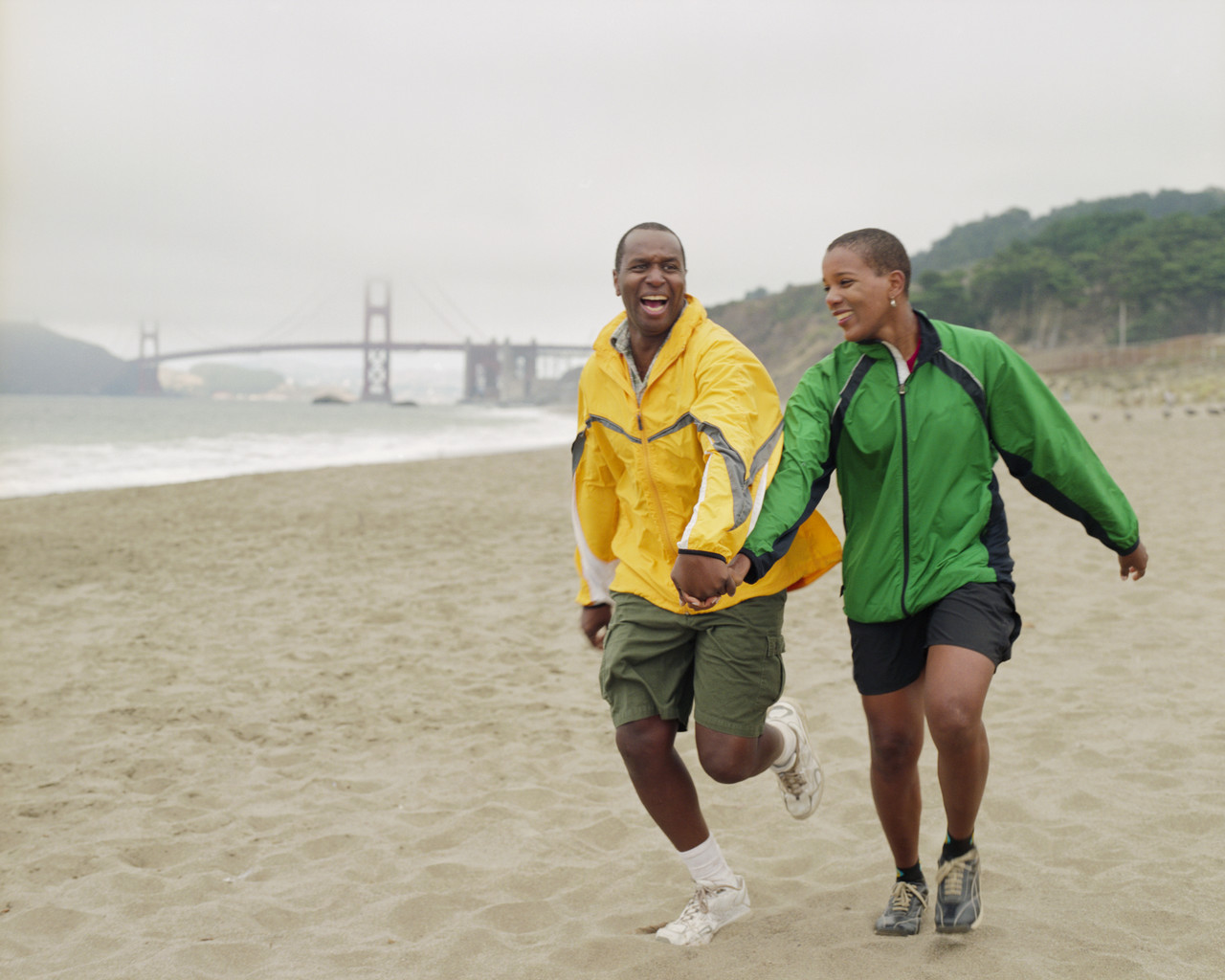
Another option is to take your workout outside! Go for a power walk or run together! Rollerblading or hiking are also great options.

Become Training Buddies: By participating in physical activity together you’ll hold one another accountable. You’ll provide motivation and support! Coordinate your schedules and find sixty minutes to spend together. Consider a workout together at the gym. Cardio, strength training and stretching are all important components of a well balanced workout. Try spotting one another for safety while encouraging progress. Or if you are short on time, hire a mobile personal trainer to come to your home and work with you both together! Working with a Fitness Professional is a great way to get in workouts, as well as saving the time of traveling to a gym.

Reduce Stress in Your Relationship: Exercise increases endorphins! Endorphins make you happy! You will be better able to handle the stresses of everyday life together as a couple when you are both feeling healthy and well. The benefits are endless; not to mention that exercise increases your libido!

Gain Pride as a Two-some: Having pride for your partner’s accomplishments results in boosting the “workout high” you’ve been craving! There’s nothing like working out with your spouse or significant other and seeing how well they’re doing or how committed they are to give you that extra energy or pick-me-up you might be searching for on a busy day.

Get Healthy from the Inside-Out with Food: Food can be a very sensual way to connect with your significant other. Why not try cooking a new and healthy recipe! Turn on the romance, put on your favourite music and have a glass of wine while you cook! It’s a great way to spend some quality time together and have meaningful conversation.

Contributed by: Crystal Reia, PTS, PFS, OAS, Personal Trainer and Owner of Your Health-Your Choice, Cambridge, ON, Canada. www.yourhealth-yourchoice@live.ca, www.facebook.com/URHealth, Twitter: @URHealthURChoice.

How to Add an Hour to Each Day by Juli Shulem

What would YOU do with an extra hour each day?

Literally gaining an extra hour per day, beyond the 24 we are all allocated, is not really an option (unless you happen to have a time machine). Since it is out of our control to ADD time, we must instead eliminate WASTED time. Here are 3 realistic tips you can use to reduce wasted time, which will ultimately increase productive time and give you far more than just an extra hour a day!

Clear Clutter. That’s right. The average American (according to a study conducted by a Boston Marketing firm) loses 55 minutes a day looking for things. So, if you find yourself having to move multiple things around in your search for something, clutter is part of the problem. Solution: Set a time every day to clear an area – just do 20-30 minutes a day and you will be amazed at how fast you can de-cluttered.

Plan Ahead. Planning ahead by preparing for the following day and writing your task list with top priorities first has many benefits. Firstly, you will have less stress because if something is missing, needs to be confirmed, written, etc. you have time to do it before the event occurs. Secondly, when you plan in advance, you can schedule tasks in a logical order, thereby increasing your efficiency, shaving minutes from the time taken to deal with items randomly. Thirdly, you will sleep more soundly. Stress is the leading culprit robbing American’s of sleep according to the Better Sleep Council, and by planning ahead your stress level is reduced and thereby you can sleep better. Better sleep = more ability to concentrate the following day, and less wasted time.

Reduce computer/tech time. If you spend hours online surfing, checking out YouTube and chatting for hours on end on Facebook, you are wasting time. Most people don’t even realize the inordinate amount of time they are spending on these activities. Instead of swearing off checking out your favorite videos entirely, set a time limit and be practical. Solution: Set a timer for a realistic amount of time and walk away from your computer when the timer goes off. Sharing what you had for dinner last night on your FaceBook wall is a waste of your time posting it and your friend’s time reading it.

Contributed by Juli Shulem (jshulem@gmail.com/805-964-2389), Efficiency/ ADHD Coach. www.julishulem.com, Efficiency Expert since 1984, and author of the eBook, Order! A Logical Approach to an Organized Way of Life, www.getordernow.com

Balanced Living by Royale Scuderi

This article brought to you by Brett Klika C.S.C.S., Director of Athletics at Fitness Quest 10. Brett is a world renowned human performance specialist, motivational speaker, author, and educator. For a copy of his new e-book and exercise program “The Underground Workout Manual- Exercise and Fat Loss in the Real World” visit www.undergroundworkoutmanual.com.  To contact Brett, send correspondence to brett@fitnessquest10.com.

We all want a more balanced life, but what does that mean and how do we achieve it?
While a balanced lifestyle looks different for each person, the core components are generally similar: health, relationships, money, career, home, spirituality, community and fun. If it makes your list, then it deserves a place in your life. A healthy well-balanced lifestyle isn’t only essential for happiness and well-being; it also has a tremendous impact on success in life. A well-balanced individual is better able to concentrate on achieving desired goals.

Start today with these simple tips to find the elusive balanced life!

Disconnect – One day per week or a period each night, shut down the computer, silence the phone and give your brain a break.

Health first - It truly is important to the quality of our lives when we: get sufficient rest, consume extra water, incorporate activity, and make healthier eating choices.

Eliminate - If life is too full, it will never be balanced. Trim activities that aren’t necessary and don’t add value to your life.

Build relationships - Make time for family and friends and schedule it.

Shed toxicity - Minimize contact with negative people. We absorb the attitudes around us, so surround yourself with positive people whenever possible.

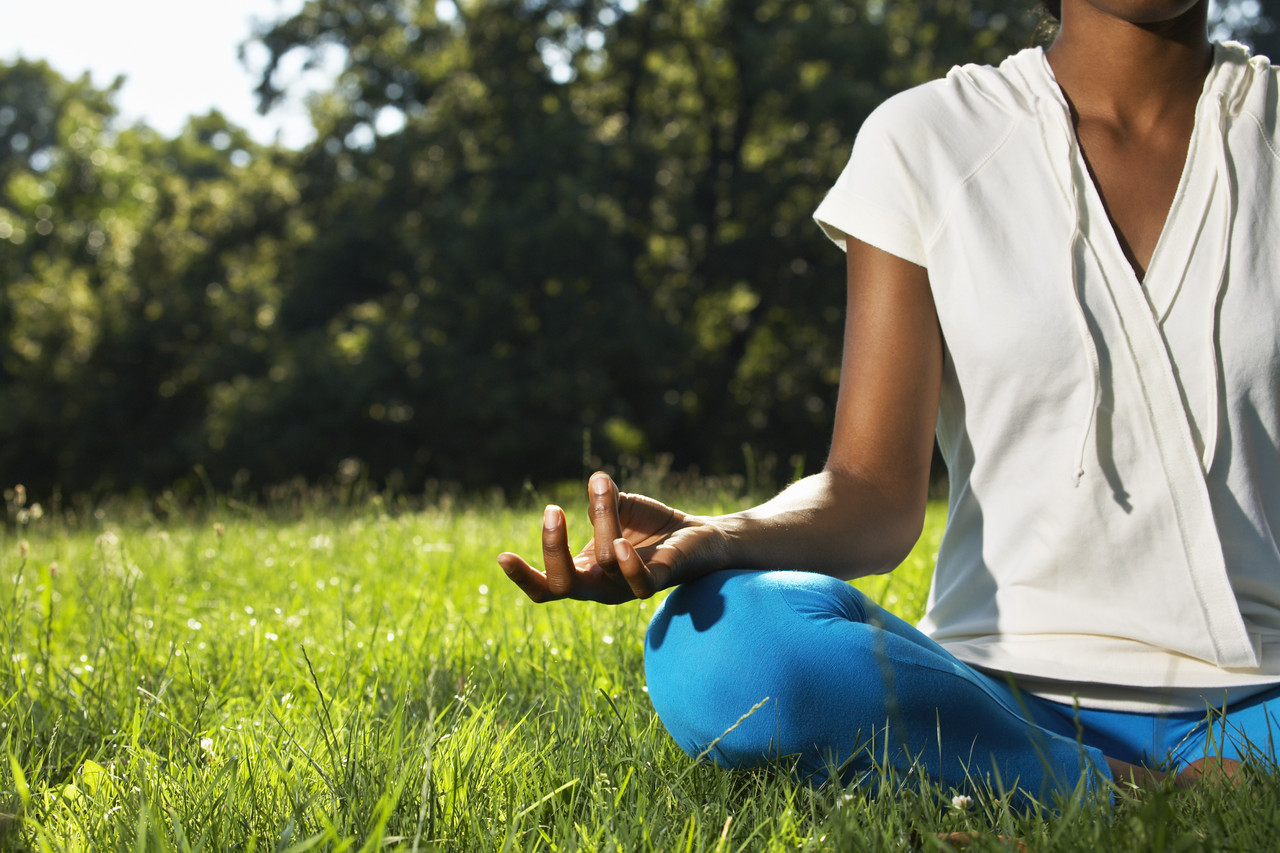
Find quiet time - Time alone is the hardest thing to do, but it’s crucial for lower stress and more happiness. Meditate, journal, try yoga, or just relax silently for a few moments every day.

Expand your environment - Get outside, read a new novel, listen to uplifting music, enroll in a class, or attempt something totally new.

Laugh - Fun is not optional. Engage your sense of humor. Subscribe to a daily joke, watch a comedy, or play with young children; opportunities are everywhere.

Pamper yourself - Have a massage, pedicure, or facial. Inexpensive options might include a favorite coffee, tea, wine, delightfully fragrant candle, or lovely flowers.

Reach out - Join a local community organization, volunteer, become active in the bigger world. Although it seems counterintuitive to add more to your life, doing helping others adds perspective and meaning.

A balanced lifestyle recognizes and supports the core values and needs each of us have. While it is not always easy to achieve, it is doable with some effort and firm boundaries. Persistence and commitment are the keys!

Royale Scuderi is a freelance writer and Life Success expert who specializes in personal and professional growth, improving productivity, life balance, and well-being, as well as work and life success. Her lively and informative tips can be found on her Productive Life Concepts blog.

Put the Fun back in your Fitness by Tanja Djelevic

Finding an activity that you think is FUN will help you stay motivated with your workout. Here are a few suggestions…

Join a Group! Take a new CLASS that will challenge you physically as well as force you to move out of your shell! Any dance class is sure to do the trick! Check out for example, African dance, ballroom or salsa dance class! Bring your best friend to double the fun – definitely a great setup for a few laughs!

MUSIC! Load up your MP3 player with songs that are connected with great, fun memories, and krank up energy during your run or weight workout! Try a theme playlist, for example a playlist of 80s favorites like WHAM, Spandau Ballet and Depeche Mode! For a great interval weight workout, do 2-minute dance intervals to the tunes of your favorite music.

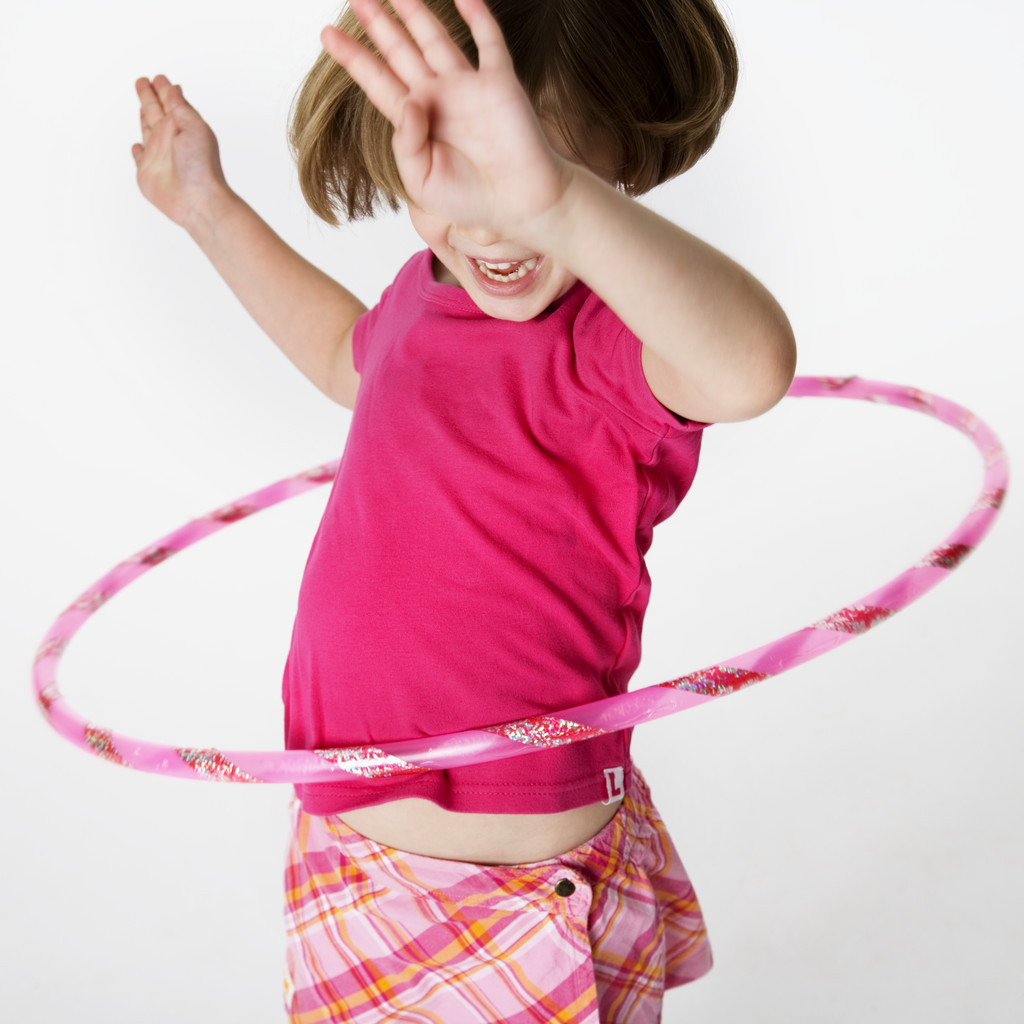
Pick a childhood GAME and play it with your friends! Think hopscotch, tag, jump rope, hula hoop, kickball, Marco Polo (if you are in the pool), or anything else you enjoyed as a child. For example, try the childhood schoolyard game known as Twist. There are ten different ways to jump over a long rubber band, and whoever jumps the highest wins.

Add in a little friendly competition. SIGN UP for a Mud Run or Warrior Dash race with a group of your friends. These races are often short and attract all sorts of people who want to have fun and be challenged. Dress in outfits or costumes, or form a team choose a team name and get matching shirts printed. Then get out there and get dirty together!

By Tanja Djelevic. Tanja holds a Masters Degree in Psychology, specializing in Stress Management Therapy and Behavioral Life Coaching. She is a NASM Corrective Exercise Specialist (CES) and has fitness certifications from Reebok, AFAA, ACE, Powerhouse Pilates and C.H.E.K Institute. Tanja’s workouts are known throughout Los Angeles as energetic and inspirational. She has worked with a myriad of celebrity clientele including Matt Dillon, Pink and Rachel Weisz.  Connect with Tanja at www.loudfitness.com

From Overwhelm to PEACE by Juli Shulem

Overwhelm is a close cousin of stress. By preventing stress before it begins, the negative effects, both physical and mental, can be reduced or eliminated before problems ensue.  Overwhelm from taking on too much is a common concern for many. If you find yourself feeling overwhelmed on a regular basis, try to adopt the PEACE concepts below to help.

P: Prioritize & Plan
 Having a plan in advance greatly reduces stress. Planning your day the night prior is even better! Knowing ahead of time what needs to be accomplished, as well as having a reasonable time frame allocated for everything results in feeling calm and confident.

E: Eliminate tasks
Simply eliminate some items from your to-do list. The art of saying “no” is an essential skill and boundary to master. By taking on too much one can end up quickly overwhelmed. Only take on what you are certain you can complete without adding stress to your life.

A: Anatomy
Mind your body! Take care of your health by getting adequate sleep, eating healthy foods, drinking plenty of water and exercising regularly. If you don’t take care of your body, you won’t have sufficient energy or strength to get anything done at all! First and foremost, keep your foundation of health strong!

C: Complete
Leaving multiple tasks partially done is stressful, so complete what you begin and don’t start anything else until you do so. Juggling too much simultaneously makes it difficult to decide what needs to be done first. The pressure of wanting to “just get them all done right now” can become so strong, it becomes paralyzing.

E: Efficient
When you have a lot to do, it can be difficult to narrow focus to only what you are doing now. When your mind begins to wander to all the other items left to do, it produces anxiety which leads to stress and overwhelm. Focus on your current task and what is imminent. Avoid thinking of what you need to do tomorrow while today is still in progress.  Bottom line, be present.

Contributed by Juli Shulem (jshulem@gmail.com/805-964-2389), Efficiency/ ADHD Coach. www.julishulem.com. Author of the eBook, Order! A Logical Approach to an Organized Way of Life, www.getordernow.com.

Don’t Hibernate this Winter by Brett Klika

This Article Brought To You By:
IM=X Pilates in Santa Barbara. Located at 3554 State Street. www.imxsb.net. 805-687-IMX2. IM=X Pilates is a unique fitness boutique that for more than 16 years, has been an innovator in the pilates, fitness, yoga and back care industries. IM=X (Integrated Movement Xercize) is a new generation of pilates reformer and cardio inspired workouts enjoyed by hundreds of thousands of exercise enthusiasts who proclaim its immediate results! The studios offer a variety of training options; Personal Training from Post Operative to Sports Specific, as well as Semi-Private Classes.  Classes are comprised of the following programs:  Xercizer (Reformer), Mat, Yoga, Spin, Bar, TRX and Circuit. We offer both Unlimited Membership options as well as Drop-In Classes. Additional services include Personalized Meal Plans, Body Composition Analysis, Personal Coaching.

Don’t Hibernate this Winter

When winter rears its formidable head with shorter and much colder days, it can be a challenge to stay on course with your fitness program. If you want to keep moving despite Mother Nature, try these 5 simple tips to weather the winter so you’re lean and fit for spring.

Embrace the outside! Yes, it’s cold! That may mean snow for skiing, sledding, snow-showing, ice skating, and a variety of other outdoor activities. Give them a try! Winter clothing now is warm, light, flexible, waterproof, and very accommodating for hard-core outdoor activities.

Change up your routine by trying a class at a local health club. Just because you’re indoors doesn’t mean you can’t have fun. From Zumba to Spinning, to a variety of other fun and engaging high-energy classes, health club class schedules are usually packed with options to move.

Workout during your lunch hour to avoid the dark mornings and cold nights. Mid day is not only the time with the most sunlight, it’s usually the warmest. Perfect for a jog, bike ride, or anything else the weather permits.

Hit the weights. Are you an endurance athlete? If you live in a climate where the weather outside is frightful, winter might be a great time to start a resistance training program if you don’t already participate in one. This provides a welcome change from grinding out miles on the treadmill or indoor bike. In addition, the increased strength and stability you get from resistance training will help your performance when you get outside again.

Join an indoor sports league. In addition to the traditional sports like soccer, basketball, and volleyball, now many club organizations offer non-traditional, social-based sports like kickball, dodge ball, and many other playground classics. This keeps you energized and motivated to get out of the house and sweat!     

This winter, have fun sweating in the snow, running in the rain, and dashing in the dark. A little workout creativity will keep you lean and fit all winter long.

Brett Klika, C.S.C.S, is an internationally renowned personal trainer, author, and motivational speaker. For a copy of his new e-book and exercise program “The Underground Workout Manual- Exercise and Fat Loss in the Real World” visit www.undergroundworkoutmanual.com. To contact Brett, send correspondence to brett@fitnessquest10.com.

Interpreting Fitness Data by Jan Schroeder, PhD

The mind-body world has been shaken up lately with an article in the New York Times stating that yoga can wreck your body. The title of the article was quite shocking, but could it be true? What about all the benefits we hear about? The author of the article, William Broad, has a book coming out in February which discusses the benefits and risks of performing yoga.  The New York Times article focused solely on the damage that yoga can do. These claims are supported by a yoga teacher and a few research articles. Does this mean that yoga is now dangerous and you should stop your practice? To answer that question, we need to assess the source of where the claims are originating.

When assessing the legitimacy of a source, you must first understand the difference between anecdotal evidence and scientific evidence. Anecdotal evidence is based on casual observations rather than rigorous analysis. These observations may be true; however we cannot definitively say they are factual as they have not undergone the scientific method. Scientific research requires the scholar to adhere to strict protocols for investigation into an issue. Once, the issue has been studied in a controlled environment we can begin to formulate an educated opinion.

So does that mean if it is a statement supported by a research study, that it is true and you should believe it? No. One research study does not create an absolute decision in an area. Each research study is constrained by its participants and its methods. First, we need to ask the question, who was in the research study? For example, if all participants were post-menopausal Caucasian women, then the findings of the study can only be related to that specific population as the findings may not hold true for African American older men. We also need to determine how the study was conducted or how well controlled was the experiment? For example, if we were looking at the effects of walking on flexibility and our subjects walked in a structured program but we did not have them stop their swimming class, who is to say that walking and not swimming had an effect on flexibility. We cannot fault the researcher for these inherent issues with research as we cannot study all populations or control for every factor in an experiment. Therefore, we need to read many research articles to make an informed decision.

So where does this leave us in relationship to yoga and injuries? The author’s claims are supported by anecdotal statements and a few research studies which do not provide us with enough information to make an informed decision as to the safety or dangers of yoga. Until more research can be done in this area, remember as with any exercise, injuries can occur when we push our bodies past its limits. Respect the signals your body provides and enjoy your practice.

Jan Schroeder, PhD, is a professor of Kinesiology at California State University, Long Beach.

How to Get Results by Terri Walsh

Countless fitness programs come and go. People find themselves wasting energy and spending unproductive hours at the gym, or worse, sustaining serious injuries. Injuries result from not really being taught how to move properly. There is a method that allows everyone to inherently avoid injury while successfully burning fat, toning muscles and engaging the entire body. More than just another disposable fitness program of the moment, the A.R.T. (Active Resistance Training) Method® was conceived to do just that. The Active Resistance Training Method includes self-adapting moves, deconstructed traditional workout routines that are redesigned into gradually progressive sequences suitable for everyone from beginners to advanced fitness enthusiasts.

This technique is based on four major resistance points in the body relevant in all kinds of physical disciplines. This practice may therefore be applied to yoga, pilates, dance and ballet, kick boxing or any fitness and boot camp program. Utilizing your own body weight and minimal space, along with optional basic aids such as yoga blocks, a chair, a mat and small free weights, anyone can do the A.R.T. Method®. An introductory technique study starts off with the most basic moves such as a Plank.

The Plank is great way to develop arm strength. Assume a face down push up position. Arms and feet extended straight down to the floor. Make sure your shoulders are pressed toward your hips. Pull up your navel and exert as much pressure you can against the floor. Now, hold that position for about 30-60 seconds.

The Plank may be used as an interval position between several A.R.T. Method progressions. For example, to progress the Plank: Extend your left arm out and lift your right leg up while maintaining the opposite two on the floor. Alternate for 20 counts on each side.

Repeated several times, this teaches you how to exert pressure on the floor with your feet and hands at the precise moments while creating coherence with all your body’s active resistance points.

Make the decision to get fit! Every health and fitness success story begins with a small decisions made today. Unfortunately, many are often overwhelmed by what they want to accomplish overall, that they lose sight of this simple fact. Modern lifestyles are complicated by the notion that each compartmentalized facet of health and fitness has to be dealt with separately. However in reality, the foundation of living consists of being healthy and fit and remembering that our body works as one chain of movement. So, whether it’s being able to do your best work in your career for example, or looking great in your clothes, overall well-being stems from establishing that foundation of knowing how to move correctly. It is this principle that is at work in the A.R.T. Method®. Pulling together the different parts of your body through the active resistance points into a unified entirety gives you the ability to achieve things you may have otherwise thought unattainable.

Terri Walsh, http://www.artmethoddvds.com. With over two decades of experience as a professional celebrity fitness trainer, author, fashion and beauty expert and multi-media spokesperson, Terri Walsh has always blended an assuredly reliable knowledge of fitness with an innovative flair and a personal understanding of the modern woman’s lifestyle. Recently, she launched the groundbreaking and innovative A.R.T. Method® as a way to provide everyone with the means to move their bodies optimally to get the best results out of any physical activity or discipline from dance, yoga and pilates to different fitness programs.

Ask A Pro by Chanda Fetter

Top 3 Fitness Questions Answered!

Should I always push to my limit when I’m doing cardio? Actually doing this could help you hold on to fat rather than burn it. Research tells us that training around 75% of our MHR is best for the body to use its fat as fuel as opposed to its sugars. If you work in your anaerobic zone every time you do cardio you’re body will hold onto its fat. Carbohydrates fuel anaerobic activity (85% and higher), whereas fat fuels aerobic activity (70-80%). So give yourself permission to back off and enjoy the activity more, you should feel energized after your session, not ready for a nap and craving carbs, which will in turn sabotage your workout.

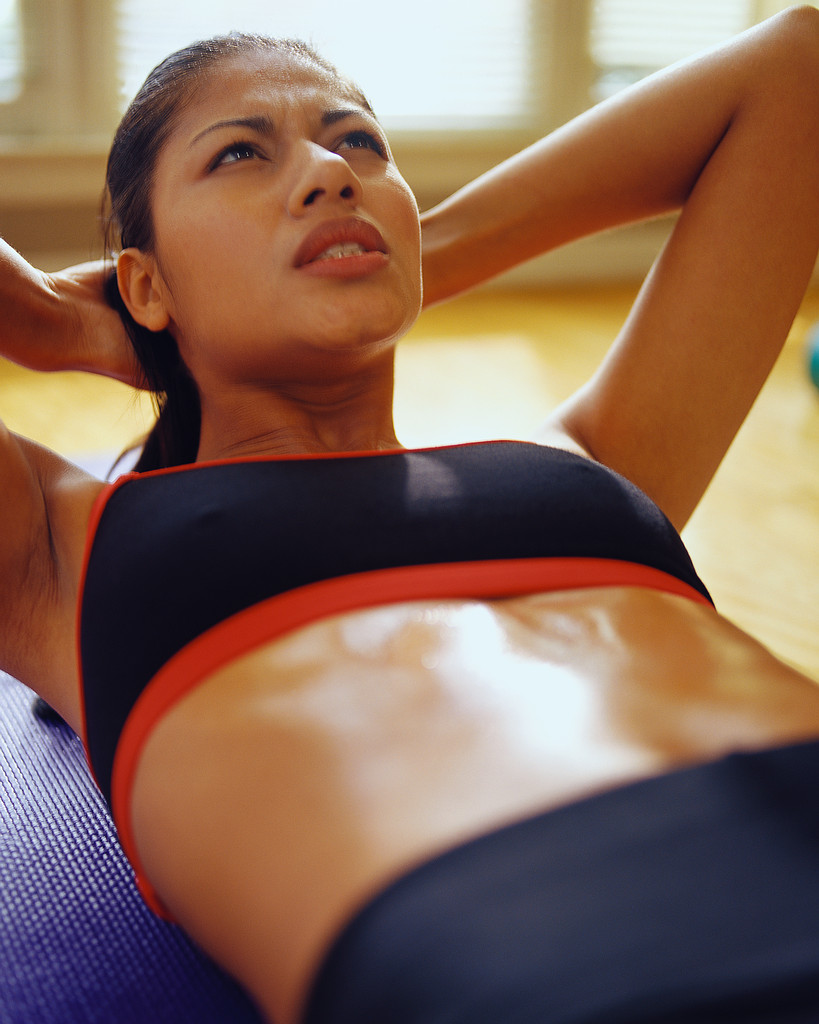
Will doing abs give me a flat stomach? Not exactly. Having a flat stomach is more about body composition (the ratio of body fat to lean mass) than it is about the size of your abdominal muscles. If you want to have lean abs, then up your cardio and weight training in order to burn more fat while also reducing your caloric intake. It has been said that weight loss is 80% what you eat and 20% exercise. For best results, address your diet and do core training so when your fat goes away you have the sculpted abs you’d like.

Can muscle turn into fat?  No it can’t, in fact what’s actually happening is when you become less active your muscles atrophy (shrink). When this happens your body’s metabolism slows down so you do not burn as many calories therefore you start to add new fat. It’s not muscle turning into fat, but rather muscle wasting and fat being put in its place. Activity and a proper diet full of foods that provide fuel are necessary in order to look and feel your best, there’s just no way around that. Life can be a lot of fun when you have the energy and functional ability to enjoy it!

Chanda Fetter
IM=X Pilates, Owner
www.imxsb.net

What Should Teens Be Drinking? By Maggie Ayre

No fizzy drinks, no squash, no juice, no caffeine ……What Should Teenagers Be Drinking?

We are constantly, constantly being told what we shouldn’t be drinking. It is all sound advice but is it really helpful to be constantly told what we shouldn’t be doing? I think most people have long since stopped listening after years of conflicting advice

The Government recommends that teenage girls should drink water and semi-skimmed milk.  This is the advice of the vast majority of Western health authorities but the science would suggest that milk is one of the worst substances we can consume.

There is no disputing that cow’s milk is meant for calves, it assists in their development, and provides very specific amounts of calcium and nutrients to aid their development. Human milk, on the other hand has a different chemical composition, specifically for a baby’s development. Pasteurisation, homogenisation and the welfare of the cows all negatively affect the milk that we drink. Up to 70% of humans will be intolerant to drinking cow’s milk because many of us stop producing an enzyme called lactase, which helps us to digest milk, when we are weaned – this can lead to us developing irritable bowel and leaky gut syndrome, allergies and intolerances such as itching, hives, rhinitis, itchy eyes and ears, nausea, bloating, wind, cramps, diarrhoea, aggravation of lung conditions such as asthma, and can also lead to diabetes, and osteoporosis.

Many of us believe that drinking milk when our bodies are still growing will reduce the risk of osteoporosis because our bodies use the calcium in milk to develop strong bones, but if we consider the science; the mineral calcium is actually very concentrated in cow’s milk, with the ratio of calcium being up to 10 times more than magnesium (10:1 ratio). In human breast milk the calcium to magnesium ratio is 2:1! This can lead to major imbalances between these two co-dependent minerals in the body. Too much calcium causes the body to try and gain more magnesium in order to stay in balance. But too little magnesium in proportion to calcium can lead to muscle tension.

Let’s examine some of the alternatives…..

Juice – Most of the juice we buy from the supermarket is UHT.  This “ultra-heat treated” juice has been subjected to pretty extreme temperatures which break down all of the nutritional value of the juice rendering them useless as healthy drinks. Even fresh squeezed juice is of questionable nutritional value, with most of the goodness derived from a fruit through the action of chewing it. Instead juice is high in sugar and therefore not recommended.

Smoothies – The price tag of many smoothies puts them out of the reach of many teenagers.  Shop bought versions have been pasteurised which has destroyed all natural goodness, homemade versions can be considered a healthy drink but we need to be careful not to overindulge as they can be calorific and are generally not considered as good for us as chewing the fruit or vegetables.

Fizzy drinks and Energy Drinks – Fizzy drinks contain a huge amount of sugar and are of no nutritional value.  Many also contain caffeine which renders them virtually useless for rehydration. A recent study has linked fizzy drinks with liver damage. They break down the liver in the same way as alcohol and it has been suggested that just two fizzy drinks a day can have serious health implications.

Diet Fizzy Drinks – In diet fizzy drinks the sugar has been replaced by sweetener. On the surface this seems to make them a healthier option but these sweeteners can actually cause serious harm to our bodies.

Cartons of Squash – Shop bought cartons of squash have been shown to contain nearly as much sugar as fizzy drinks.  Homemade versions are a slightly lower sugar alternative.

So, what should teenagers be drinking?  The answer to that question is simple, water! 
Encourage your children to drink water as much as possible, then enjoying other drinks as an occasional treat. 

Maggie Ayre is a Personal Trainer and Nutrition Advisor. More information about Maggie’s work with teenagers can be found at www.maggieayre.com or www.femalefitnessrevolution.com.